Driving Is a Shared Responsibility
2026 Driver Education Round 2

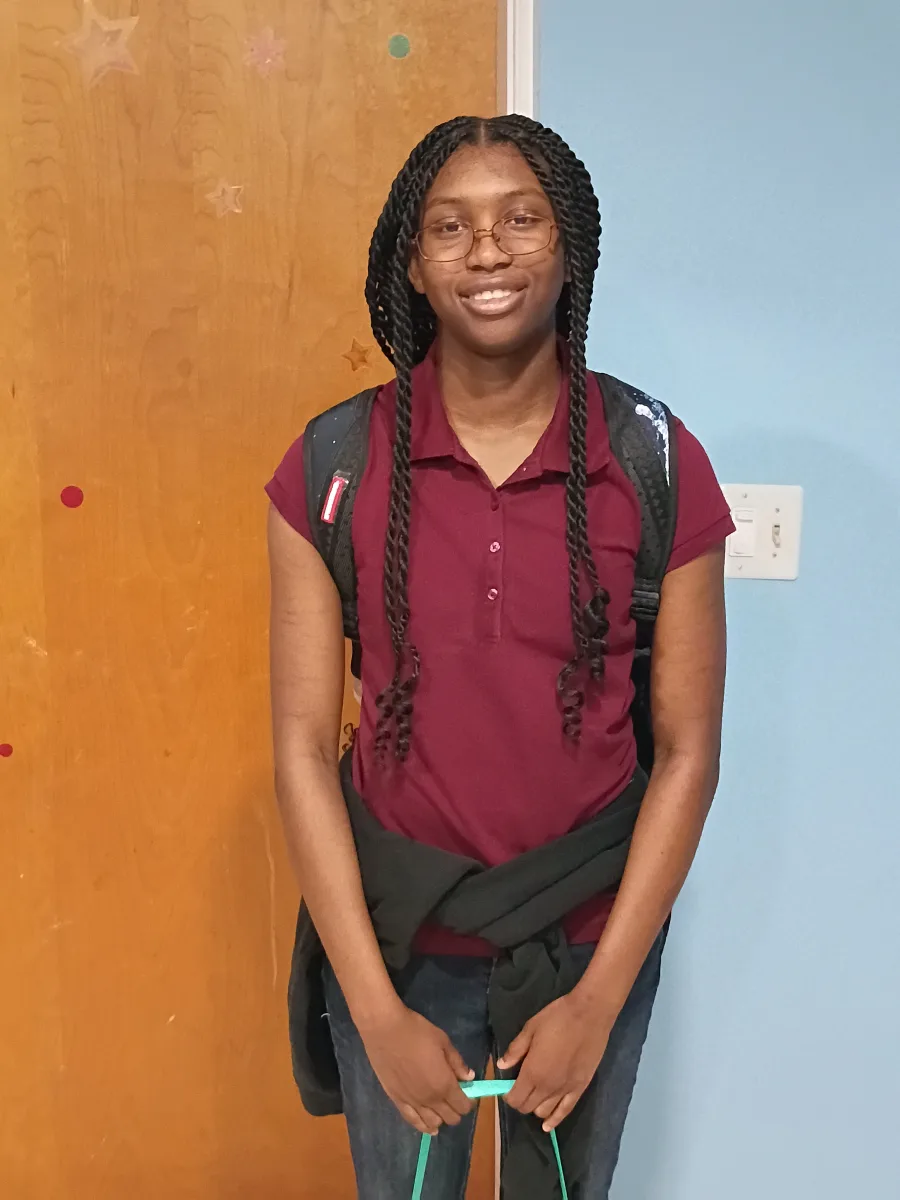
Xiomara Espinoza
Fayetteville, NC
Driving is a responsibility that affects not only the person behind the wheel but everyone sharing the road. A vehicle can provide independence and make everyday life easier, but driving also comes with risks that should never be ignored. Every time someone gets behind the wheel, they are responsible for making decisions that can affect their own life and the lives of others. Driver education is important because learning to drive safely involves much more than knowing how to operate a car. It also teaches new drivers how to recognize risks, make responsible decisions, and understand the consequences of unsafe behavior.
Driver education can help reduce the number of deaths related to driving by preparing people before they begin driving independently. New drivers need to understand the dangers of speeding, distracted driving, driving under the influence, not wearing a seat belt, and driving while tired. It is easy for someone to think that a quick text message or driving a few miles over the speed limit is not a serious problem. However, even a small distraction or poor decision can change a situation in seconds. Learning about these risks before they become habits can help young drivers understand that safe driving requires constant attention and good judgment.
There are many steps that drivers can take to reduce the number of deaths caused by driving. One of the most important is eliminating distractions. Phones should be put away while driving instead of being used to text, check social media, or respond to notifications. Drivers should also follow speed limits and traffic signals, wear seat belts, never drive under the influence of alcohol or drugs, and avoid driving when they are too tired to remain focused. These actions may seem simple, but consistently following them can make a major difference.
Passengers also have a role in road safety. Being a passenger does not mean being powerless to influence what happens inside a vehicle. A passenger can encourage the driver to slow down, put away their phone, or pay attention to the road. If a driver is making an unsafe decision, speaking up can be uncomfortable, especially when the driver is a friend or someone close to you. However, protecting someone's safety is more important than avoiding an uncomfortable conversation. Friends and family members should be able to encourage one another to make responsible choices.
Schools and communities can also help make roads safer. Driver education should not focus only on passing a written or driving test. It should also teach students about responsibility and the real consequences of dangerous choices. Young drivers should have opportunities to think about situations they may face on the road and learn how to respond safely. Communities can also promote awareness about distracted driving, seat belt use, speeding, and impaired driving. When safe driving becomes something people regularly discuss, it can become a stronger part of the community's culture.
Although I have never personally been in a car accident or witnessed a serious accident involving someone I know, I understand that irresponsible driving can affect anyone. A person does not have to know someone who has been injured in an accident to understand how serious unsafe driving can be. Every day, drivers share the road with people they do not know, including families, pedestrians, cyclists, and other young drivers. Someone may feel confident in their own driving abilities, but they cannot control every situation around them. Another driver's mistake can affect an entire vehicle or roadway. This is why safe driving requires people to think beyond themselves.
As I become a more experienced driver, I want to make safety a habit instead of something I only think about when something goes wrong. I can put my phone away before starting the car, wear my seat belt every time, follow traffic laws, maintain my attention on the road, and avoid driving when I am tired or distracted. I can also take responsibility for my passengers by making sure they understand that safety comes before convenience. If I am ever in a situation where someone I know is driving irresponsibly, I can respectfully speak up rather than ignore the behavior.
I can also help others become safer drivers by setting a good example. People often learn from what they see others doing. If I consistently follow traffic laws and avoid distractions, I can show friends and family that safe driving does not have to be difficult. I can encourage others to put their phones away, wear their seat belts, and think carefully before making risky decisions. Even a small reminder can make someone reconsider a choice that could put themselves or others in danger.
Ultimately, safe driving is about understanding that every person on the road has a life beyond their vehicle. They may be going to school, going to work, visiting family, or simply trying to get home. Driver education provides people with the knowledge needed to make safer choices, but education only matters when drivers put those lessons into practice. Reducing driving-related deaths requires drivers, passengers, families, schools, and communities to take safety seriously. I believe that becoming a safer driver begins with recognizing that driving is not only a personal privilege but also a shared responsibility. By making responsible decisions and encouraging others to do the same, I can contribute to making the roads safer for everyone.
Content Disclaimer:
Essays are contributed by users and represent their individual perspectives, not those of this website.