Earning the Road: My Transition from Toronto Streets to Indiana Highways
2026 Driver Education Round 1
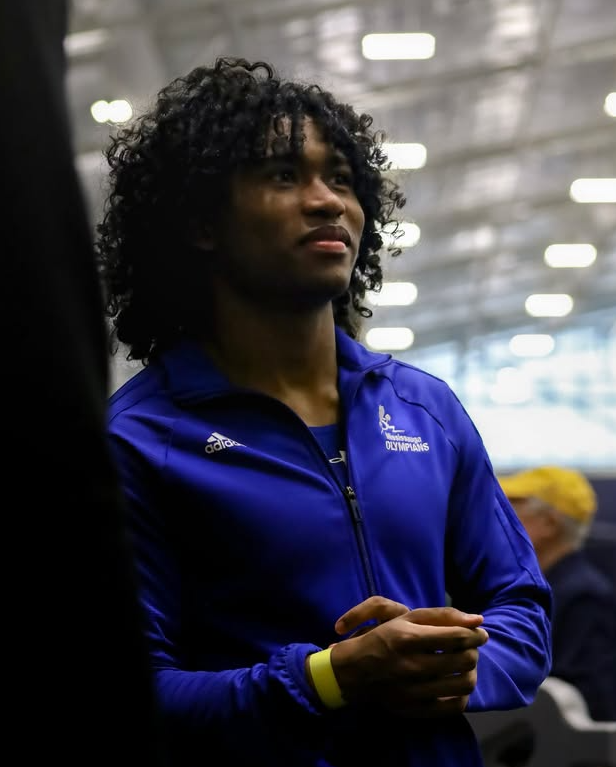
Meeko Gallion
Scarborough, Ontario
This afternoon I came home from track practice to see the envelope sitting on the kitchen counter like a quiet ultimatum. Today, I received in the mail the official plastic card I had spent months anticipating—my driver’s license. Staring down at my name printed crisp and clear beneath a tiny holographic seal, a rush of triumph washed over me. I wasn’t just a passenger anymore; I was officially certified to command a ton of moving steel. Yet, as the initial thrill settled, a profound sobriety took its place. That piece of plastic wasn't just a ticket to freedom; it was a certificate of immense public trust. Holding it in my hand made me realize that driving is not an inherent right, but a fragile, highly conditional privilege.
As an incoming college freshman, the timing of this milestone couldn't be more poignant. In less than two weeks, I will pack up my life in Toronto, Ontario, and head south to start university in Fort Wayne, Indiana on a track scholarship. This upcoming transition means trading familiar gridlines for an entirely new landscape, and it brings a stark realization about what it truly means to be a safe and educated driver.
Growing up navigating the hectic streets of Toronto, I learned early on that the road is a shared, synchronized ecosystem. In Toronto, pedestrians, cyclists, streetcars, buses, and commuters all move together under a strict framework of rules designed to protect the most vulnerable among us. Earning my license meant studying those rules not just to pass a test, but to understand the physics and human cost of negligence. Safety data in both Ontario and the United States confirm that tens of thousands of lives are lost on roadways annually—a grim statistic proving that driving is statistically one of the most dangerous activities we engage in daily. In Toronto, it is not uncommon to wake up to the news of a collision impacting traffic and, sadly, someone whose life has been permanently altered by injuries from a vehicle crash. When young drivers step behind the wheel, invincibility is a dangerous illusion. We often underestimate how quickly a split-second distraction or an impulsive decision can shatter futures. For young drivers especially, following the rules of the road—resisting the pull of notifications, respecting speed limits, and maintaining total situational awareness—is a matter of life and death.
Now, that responsibility is about to scale up dramatically. In just a couple of weeks, I will be crossing an international border, trading the metric system for the imperial standard, and driving in an entirely different country. The subtle shifts are enough to induce anxiety: converting kilometers per hour to miles per hour, interpreting unfamiliar highway layouts, and navigating university streets where I do not yet know the rhythm of the traffic lights.
This upcoming move to Fort Wayne, Indiana has forced me to reflect deeply on what education behind the wheel actually means. Being an educated driver isn't just about knowing what a sign says; it is about mental adaptability, humility, and caution when everything around you looks foreign. In a different country, operating on unfamiliar units of speed, I cannot rely on muscle memory alone. I will need to slow down, double-check my blind spots, and respect the local rules with absolute vigilance because my safety—and the safety of everyone sharing the highway with me—depends on it.
As a student-athlete, I have also come to appreciate that the same qualities that make someone successful on the track are the qualities that make someone a responsible driver. Discipline, patience, preparation, and accountability are essential in both settings. Before every race, I warm up, study my competition, and remain focused on executing my race plan. Driving requires that same mindset. Every trip demands concentration, good judgment, and the willingness to make safe decisions even when no one is watching. Just as one careless step out of the blocks can ruin a race, one careless decision behind the wheel can have consequences that last a lifetime.
Receiving my driver's license is not the end of my education—it is the beginning of it. Every new road, weather condition, construction zone, and unfamiliar intersection will teach me something new. I hope to approach every drive with the mindset of a lifelong learner, recognizing that confidence should always be balanced with caution. The best drivers are not those who believe they have mastered the road, but those who continue learning from every experience and never stop respecting the responsibility they have accepted.
As I put that new license into my wallet, ensuring I have it alongside my passport and international student visa documentation, I realize that the journey ahead is about much more than simply crossing a geographic border. It is about stepping into adulthood, where freedom is inseparable from responsibility. Every time I turn the ignition, I will be making a conscious choice to protect not only my own life, but also the lives of passengers, pedestrians, cyclists, and every other person sharing the road.
The road does not care where you are from or how excited you are; it rewards only those who treat it with patience, humility, and unwavering attention. As I begin this exciting new chapter in Indiana, I am ready for the miles ahead—not because I think I know everything, but because I understand that becoming a truly safe driver is a lifelong journey built on respect, responsibility, and a commitment to making every mile a safe one.
The road does not care where you are from or how excited you are; it rewards only those who treat it with patience, humility, and unwavering attention. As I begin this exciting new chapter in Indiana, I am ready for the miles ahead—not because I think I know everything, but because I understand that becoming a truly safe driver is a lifelong journey built on respect, responsibility, and a commitment to making every mile a safe one.
Content Disclaimer:
Essays are contributed by users and represent their individual perspectives, not those of this website.