Every Drive Is a Decision: How One Choice Can Save a Life
2026 Driver Education Round 1
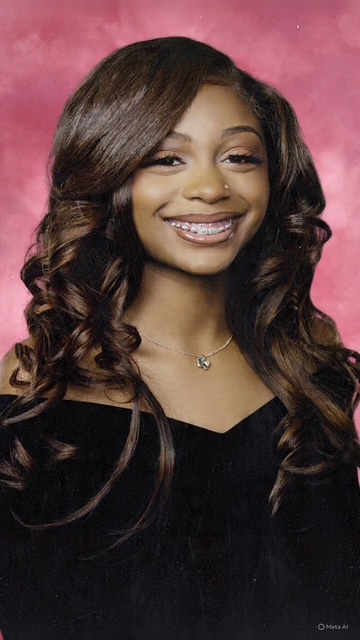
Nyriah Wright
Los Angeles, CA
Growing up in Los Angeles, you get used to seeing reckless driving. Freeways are always packed, everyone is stressed, and it seems like everyone is in a massive rush. Because I do not have my driver's license yet, my perspective of the road has been shaped entirely from the passenger seat. Being a frequent passenger gives you a unique vantage point to notice bad habits drivers think they are hiding. From my view, a car is much more than just a way to get from point A to point B. Every time someone turns the key in the ignition, they make a heavy promise to protect themselves, their passengers, and every pedestrian or driver they pass. For most of us, driving is treated like a boring, everyday routine. Yet, every single day, families get a devastating phone call about a tragic accident that happened because of one wrong move or one second of someone looking down at a screen. That is exactly why driver education matters so much. It isn't just about learning how to parallel park or memorizing signs to pass a written test. It is about building real awareness, taking responsibility, and showing respect for human life before you ever start the engine.
When you look at road safety, driver education is one of the biggest tools we have to cut down on road fatalities. As I prepare to finally take my own driving lessons and get my license, I realize that getting behind the wheel isn't just about learning how to physically steer a vehicle. It is about learning how to handle real-world dangers, like heavy rain, sudden stops, or how to stay calm when another driver cuts you off in traffic. Most importantly, a good driver education program teaches you that safe driving is all about your attitude, not just your mechanical skills. When young people understand the physics of speeding or the real danger of driving while distracted or under the influence, it completely changes how they look at the road. It strips away that false feeling of being invincible that a lot of teenagers have. It replaces it with the realization that a car can be a weapon if it isn't respected. Education gives future drivers like me the tools to handle emergencies before we ever have to face them alone on the highway.
But just knowing the rules isn't enough to stop people from dying on the road. We need real action from our communities. Cities and schools need to invest in better driver education programs that show real-life scenarios and practical ways to avoid crashes, rather than just reading out of textbooks. High schools should keep talking about the dangers of smartphones, because checking a text or social media notification has become way too normal for my generation. Families have to take accountability too. Parents need to model good behavior because kids notice everything from the backseat. If a parent is always texting at red lights or speeding down the highway, their kids are going to think that’s acceptable behavior. We also have safety technology now, like automatic braking and lane alerts, which help a lot. But at the end of the day, the best safety feature in any vehicle is a focused, responsible driver who cares more about getting home safely than saving two minutes on their commute.
Even without a license, I see reckless driving almost every single day from the passenger side. Riding around my neighborhood or through busy city streets, I see things that make me incredibly nervous. People treat stoplights like suggestions. Drivers look down at their phones the second traffic slows down, and then they keep looking at them even when the cars start moving again. I’ve seen people weave through lanes without using their turn signals, speed through school zones, and race each other just to get one car ahead. Volunteering at a local daycare for four years also gave me a completely different perspective on road safety. When you spend that much time protecting small children, you realize how fragile life is. Seeing people speed past a daycare or a playground makes you realize how easily a single second of selfishness can ruin a family forever. It taught me that every tiny choice a driver makes has massive consequences for everyone around them.
This August, I am moving across the country to start my freshman year at Norfolk State University. Stepping onto a college campus is a huge milestone, and as I work toward getting my license and eventually driving around my new campus, I want to be the kind of driver my community can trust. Even now as a passenger, my personal pledge to road safety is simple and non-negotiable. I will always wear my seatbelt and never encourage distractions. Once I am behind the wheel of my own car, I pledge to put my phone completely away on "Do Not Disturb" before I put the car in drive, stick to the speed limit, and never drive if I am too tired or fatigued. But being a safe passenger also means looking out for the people who are driving me. If I am in the car with my friends or family and I see them reach for their phone, I am going to speak up. I will offer to text for them or hold the phone so they can focus on the road. If someone is too exhausted to drive home safely, I will step in to help them find an alternative way home. It only takes a second of courage to speak up, but it can prevent an entire lifetime of profound regret.
Ultimately, safe driving is about so much more than just avoiding a traffic ticket or following rules. I am majoring in nursing with the ultimate goal of becoming a Pediatric Nurse Practitioner, so keeping people safe and healthy is something I care about deeply. In nursing, we talk a lot about prevention, and safe driving is the ultimate form of preventative healthcare. Every driver and passenger has the power to make the roads safer just by choosing to be responsible over what is convenient. We can get all the knowledge in the world from a driver education class, but the actual results come down to the decisions we make every single day. Each time we get on the road, we are making a choice, and that choice can literally save a life.
Content Disclaimer:
Essays are contributed by users and represent their individual perspectives, not those of this website.