More than just driving
2026 Driver Education Round 1
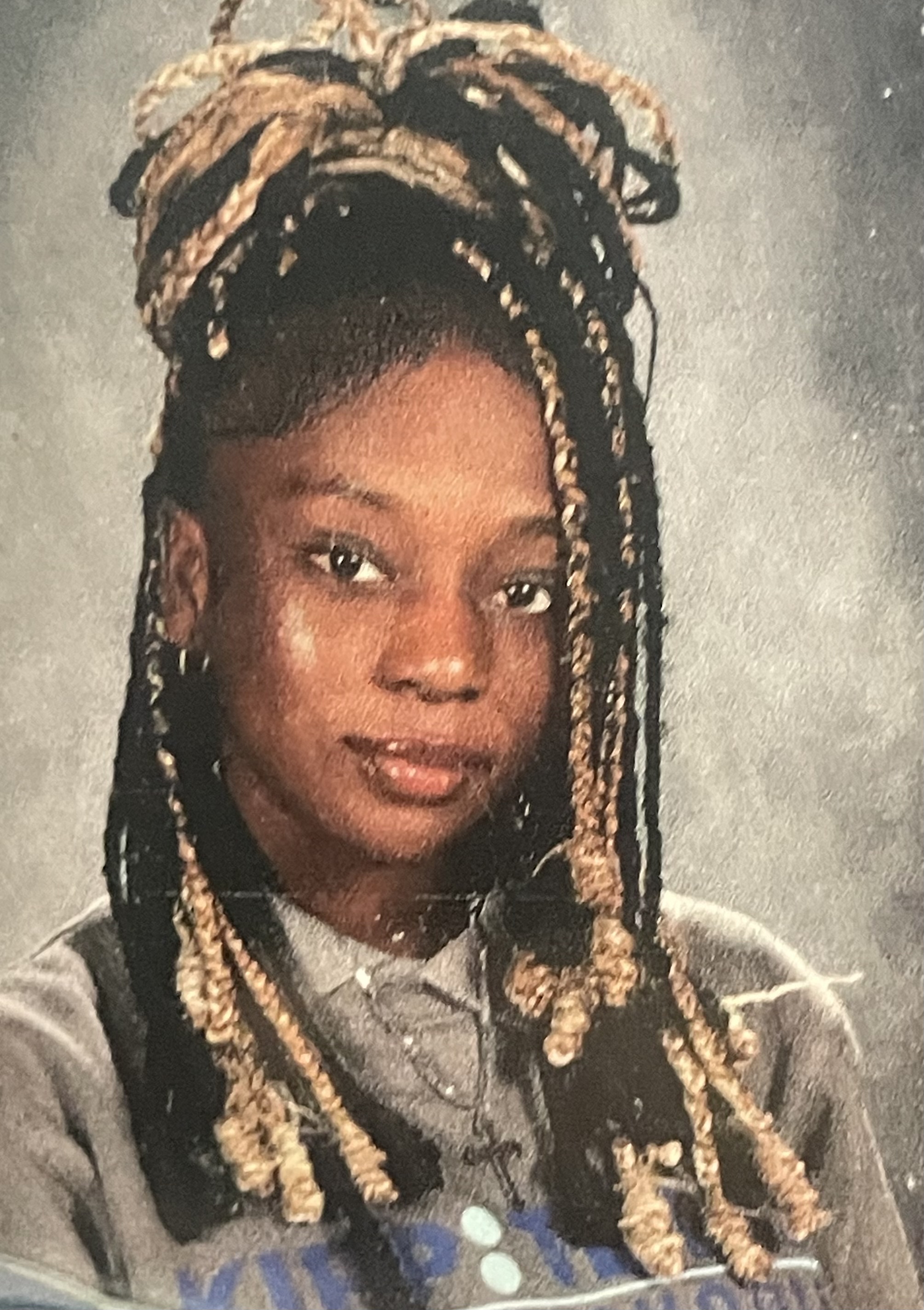
Omotola Ogunmuyiwa
Houston, Texas
Before starting to drive, my parents always gave me so many rules. My parents were trying to teach me about safety and responsibility on the road because they always saw accidents on the news and in their daily lives. They taught me these rules in a variety of ways, such as when I was learning to drive and also when they were driving every day. They told me: “Make sure you wear your seatbelt,” “Don't use your phone while driving,” “Always look up,” “Don't look down,” and “Stop when you see a red light.” But I didn’t care. I heard their rules every day, and I always thought that nothing was going to happen because people drive safely—right?
Initially, I didn’t think driving was something I needed to worry about because I was never in an accident. The accidents on the news didn’t involve me, and I never witnessed an accident the way my parents had. Any accidents I saw were simply rear-end bumps rather than the life-threatening accidents my parents witnessed, such as cars falling off a bridge. Therefore, I assumed most accidents were small, where nobody was harmed. So, people must have been driving safely for the most part, right?
But as I started to pay more attention to the news and other people talking about the accidents that happen, I started to care. I realized people are dying and getting injured because they are not careful. I noticed drivers make unsafe decisions, such as being drunk while driving, running through red lights, and texting while driving. They didn’t always follow the rules my parents taught me, and I didn’t want to be one of them. I realized becoming an educated driver, rather than just an obedient one, was important because I now know why the traffic and road rules exist: to keep everyone safe.
Newscasters always say, “Drive safely so you can keep others safe,” and there are also big safety signs on the highways and roads like “Don’t text and drive,” “Arrive alive,” and “Don’t race or rage, drive safe.” These public safety reminders are in place because so many people don’t drive safely. People might overlook them, like I once did. But one moment especially made me realize how important driving safety is, both as a passenger and a driver.
One day, my younger brother refused to wear a seatbelt or sit down while we were in the car. When my mom had to stop suddenly, he flipped over and hit his head. I told him so many times to put his seatbelt on, so I was worried when he actually got hurt. I remembered this moment because it was the first time I experienced an accident in the car. I used to think that wearing a seatbelt was just a rule that adults tell children to do just so they sit in one place, but now I understand why the rule exists. After seeing my brother fall, I realized I should keep myself and the driver safe. What if he had distracted my mother or hit her? Wearing a seatbelt might seem small, but these rules protect us from the dangers we do not see. Now I know both passengers and drivers are responsible for safe driving.
As I continued to watch the news and see people having accidents every day, it made me realize the impact unsafe driving has on society. When there is an accident, the drivers and passengers aren’t the only ones impacted. Pedestrians could be hurt or try to help. Even families, friends, and communities are impacted because if someone dies, they would be really sad. If someone is injured, they might have to help pay medical costs. Despite this impact, I’ve heard stories of people crashing into each other, drunk drivers driving the wrong way and hitting someone, and accidents that cause fires or multi-car pileups. This taught me I should take driving safety seriously because one bad choice can have a lifelong impact on myself and others.
These stories made me change the way I think about driving because people die every day from it. All these stories taught me that if I was more responsible, avoided getting into accidents, followed the road rules, and avoided distractions, I would be able to keep myself and those around me safe. Learning the rules from credible sources such as the DMV is important so you don’t put yourself, or others, in danger. Knowing what to do through learning allows you to have more confidence and gain good experience and knowledge.
Being an educated driver is understanding that if you follow the rules about driving, you are reducing the chance of putting your life and other people’s lives in danger. Unlike an unsafe driver, educated drivers are aware of their actions, follow rules, know the consequences of their actions very well, and don’t want to put others in danger. A driver is not responsible for only themselves; they are responsible for their passengers and those on the road with them. Driving creates responsibilities toward other people because when you are behind the wheel, you have to drive safely so you do not affect other people. All this made me follow more of my parents' rules because their constant reminders protect me and make me a more responsible driver. All the rules, stories, and news changed my mindset about driving. It made me see that driving is not just to impress or be rough; it shows me that I should take serious responsibility. It teaches me to be careful and not endanger myself or other people’s lives.
Now, I will apply their lessons to my everyday life because I do not want to put someone else’s life at risk (texting while driving, avoiding warnings or instructions, not paying attention to traffic lights, driving recklessly, etc.). Even though accidents happen every day, it seems no one ever expects to be part of one. Learning to be a driver has taught me to always be prepared, drive safely, always be alert, and avoid putting other people’s lives at risk. But if we all remain more aware and careful on the road, we can reduce the chance of getting other people injured or killed. When you pay attention to the road, the signs, and always check for hazards, you avoid road risks and dangers and become responsible. I want to become a responsible driver, one who understands the risk and responsibility behind the wheel, so I don’t harm others on the road and can protect myself and my passengers. If you think before acting and make safer choices, you can avoid causing accidents.
Taking driving seriously is important because something small can impact you in a big way. Even the smallest decisions can cause big consequences and affect other people’s lives. If you don’t take driving seriously, you affect the people around you, like other drivers, the passengers, and even yourself. Unsafe driving can lead to long-term debt, guilt, and physical pain. My parents' lessons, the news, and my brother’s accident have taught me that taking driving seriously is important. This learning taught me that accidents are real and happen every day because of someone’s recklessness, and in order to avoid them, we should pay attention to the road. I will continue to use those lessons in my everyday driving life and encourage others, such as my friends, to do the same. I have learned that it is up to everyone to drive safely. Since I am educated on how to drive safely, it is my responsibility to teach others so they can do the same.
Content Disclaimer:
Essays are contributed by users and represent their individual perspectives, not those of this website.