Every Mile Matters: Empowering Teen Drivers to Stay Safe
2026 Driver Education Round 2
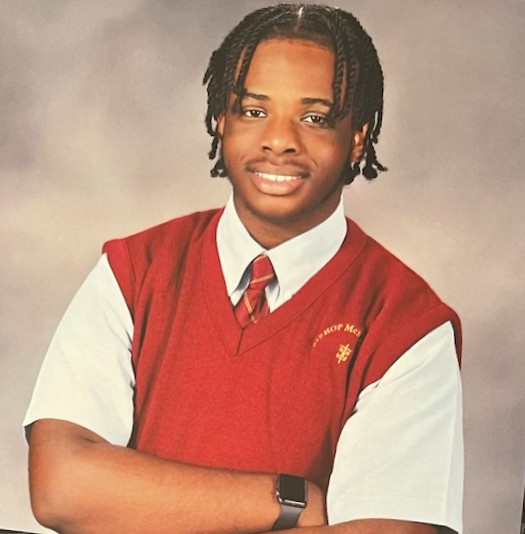
Lance Ware
Bowie, MD
One time I was riding with a family member who sped up while approaching a light. When he hit the brakes, we came so close to the car ahead that it felt like we were about to crash. I’ve also seen him scroll on his phone while driving. That close call made me think about how little time he would have had to react if he’d been looking at his phone when traffic slowed. I know speeding and scrolling behind the wheel are irresponsible, but as a passenger, I don’t control how someone else drives. What I can control is whether I ride with them again if I feel unsafe. When I’m driving, I want to put my phone away before I start and leave enough room to slow down if the car in front stops.
That experience is one reason I think driver education matters. Before that ride, leaving space between cars sounded like a basic rule. Afterward, I could picture what it felt like to run out of that space. With an instructor beside me, I could practice looking past the car right in front of me. If I see brake lights farther ahead, I can ease off the gas early and give myself more time to react. With enough practice, I’d get used to looking ahead even when nobody is there to remind me. That can be the difference between slowing down safely and slamming on the brakes when it’s already too late. The more drivers learn to spot trouble early, the fewer chances there are for a mistake to turn into a deadly crash.
I also think driver education should spend time on the choices people make before they even pull out. A new driver can set the route, pick the music, and silence notifications while the car is still parked. It’s easy to tell yourself you’ll only look down for a second when a message comes in. Planning ahead means you’ve already decided what to do, even if your friends are texting you or you’re worried about missing a turn. If I need to check something on my phone and I’m alone, I can wait until I’m parked somewhere safe. If I have a passenger, I can ask them to handle the directions.
Technology like dashcams could help teen drivers notice habits they might otherwise miss. For example, if a dashcam flags a hard stop, a teen and a parent could review what happened after the drive. Did something unexpected happen, or was the driver following too closely? If hard braking keeps happening in the same spot, the driver could practice looking farther ahead and slowing down sooner. That gives them something specific to work on the next time they drive.
Schools and communities could also give teens a reason to take pride in driving safely. We recognize students for what they do in sports, music, and class. Local businesses could work with schools to offer gas cards or other rewards to teens who complete a driver safety course or show consistent safe habits. Even a chance to share what they learned with other students could matter. Teenagers hear plenty about what can go wrong on the road. They should also get to hear from someone their age who decided to change a habit and can explain what helped them stick with it.
On that ride, I was scared and stayed quiet. Looking back, I wish I’d said, “Can you slow down? We’re getting too close.” It might feel awkward to say that to a family member, but next time I want to speak up. The way one person drives affects everyone in the car and everyone sharing the road. As a passenger, I can also offer to handle directions so the driver keeps their eyes on the road. And when I’m driving, I want my friends to feel comfortable speaking up, too. If someone tells me I’m going too fast, I can slow down and hear them out. They might have noticed something I missed, and they deserve to feel safe in my car.
I still think about how quickly that ride changed when the car ahead slowed down. We got close enough to scare me, and then we went on with our day. It would have been easy to forget about it because nobody got hurt. I’d rather remember it the next time I’m in a hurry or my phone lights up. I can leave earlier, give the car ahead more space, and let the message wait. Those are small decisions I can make on every drive. The people riding with me are counting on me to make them, whether they say it out loud or simply trust me to get them there safely.
Content Disclaimer:
Essays are contributed by users and represent their individual perspectives, not those of this website.