Every Number Has a Name
2026 Driver Education Round 1
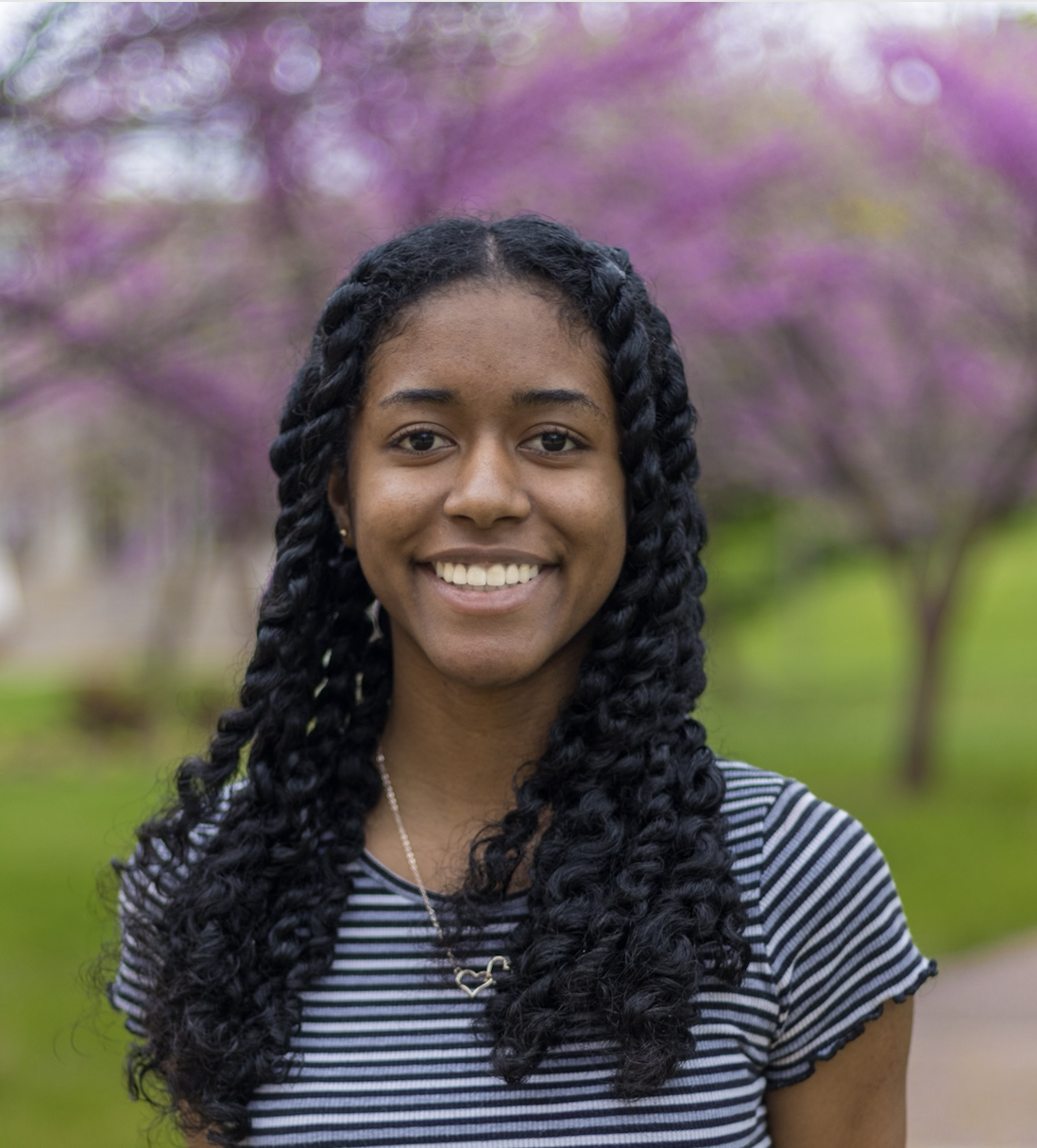
Yelena Cherubin-Lambert
Riverdale, Maryland
It takes only a few seconds to fasten a seatbelt, yet those few seconds can mean the difference between walking away from a crash and never making it home. Despite its importance, many people still choose not to buckle up every time they get behind the wheel. Before I began conducting traffic safety research at Howard University, I understood that seatbelts saved lives, but I never truly appreciated how one small decision could have such a lasting impact.
That perspective changed through my traffic safety research at Howard University. As I collected seatbelt observations and reviewed traffic safety data, I thought I was simply recording information. Over time, I realized that every statistic represented a real person. Every observation reflected someone's parent driving home from work, a student heading to class, a grandparent running errands, or a family beginning a weekend trip. Some people chose to buckle their seatbelt before pulling away, while others did not. Those decisions often seemed insignificant in the moment, yet they could determine what happened if a crash occurred. From that point on, I no longer saw traffic safety as numbers on a page. I saw people, families, and lives that could be changed by a single decision behind the wheel.
Before beginning this research, I assumed driver education ended once someone earned a driver's license. My experiences taught me otherwise. Driver education is not simply about learning traffic laws or passing a driving test. It is about understanding why those laws exist and recognizing that every decision behind the wheel affects not only the driver but also passengers, pedestrians, cyclists, and everyone else sharing the road. An educated driver understands that wearing a seatbelt, obeying the speed limit, staying focused, and driving sober are not just legal requirements. They are choices that protect lives.
As my research continued, that perspective only grew stronger. I helped collect and analyze traffic safety data that transportation professionals use to identify patterns, improve roadway safety, and make informed decisions. Before this experience, I believed traffic safety was mostly about designing better roads. Instead, I discovered that transportation engineering is just as much about understanding human behavior. Every speed study, traffic count, and seatbelt survey tells a story about how people use our roads and where improvements can make the greatest difference. The purpose of collecting data is not simply to produce reports. It is to identify risks before they become tragedies.
That lesson also changed the way I think about reducing traffic fatalities. There is no single solution. Better driver education, safer roadway design, stronger enforcement of traffic laws, and continued improvements in vehicle safety technology all work together to save lives. Engineers can redesign dangerous intersections, improve lighting, install clearer signs, and create roads that reduce the likelihood of crashes. Vehicle safety features such as automatic emergency braking, blind spot monitoring, and lane departure warnings also help reduce risk. However, none of these improvements can replace personal responsibility. Even the safest road cannot protect someone who chooses to drive distracted, speed, or ignore the simple habit of buckling a seatbelt.
Although I have never been involved in a serious car accident, my research has changed how I view every trip I take. I have watched people treat seatbelts as optional because they were "only driving a few minutes away." I have also seen how easily drivers underestimate the dangers of checking a phone or becoming distracted for just a few seconds. Those moments reinforced what my research had already taught me. Crashes do not happen only on highways or during long road trips. They happen on familiar roads, close to home, and often when people least expect them. A short drive does not mean a safe drive.
These experiences have made me a more thoughtful driver. Before I start my car, I make sure my seatbelt is fastened, my phone is put away, and my navigation is already set. I obey speed limits, maintain a safe following distance, and stay aware of pedestrians, cyclists, and other drivers. I also believe being a safe driver means helping others develop those same habits. Whether it is reminding a friend to buckle their seatbelt, asking someone to put their phone away while driving, or offering to drive when someone is tired or impaired, speaking up can make a difference. Sometimes the smallest conversations prevent the biggest tragedies.
As a civil engineering student, I hope to pursue a career in transportation engineering where I can help design infrastructure that makes travel safer for every community. My education has shown me that engineering can reduce risk, but my research has taught me that it cannot replace responsibility. Roads can be designed to forgive mistakes, but they cannot prevent every one of them. The final decision will always belong to the person behind the wheel.
When I first began conducting traffic safety research, I saw numbers on a page. Today, I see something entirely different. I see parents, children, friends, neighbors, and families who all deserve to make it home safely. That is why I believe driver education is so important. It reminds us that every decision we make behind the wheel affects someone else's life. Every statistic begins with a person. Every number has a name.
That perspective changed through my traffic safety research at Howard University. As I collected seatbelt observations and reviewed traffic safety data, I thought I was simply recording information. Over time, I realized that every statistic represented a real person. Every observation reflected someone's parent driving home from work, a student heading to class, a grandparent running errands, or a family beginning a weekend trip. Some people chose to buckle their seatbelt before pulling away, while others did not. Those decisions often seemed insignificant in the moment, yet they could determine what happened if a crash occurred. From that point on, I no longer saw traffic safety as numbers on a page. I saw people, families, and lives that could be changed by a single decision behind the wheel.
Before beginning this research, I assumed driver education ended once someone earned a driver's license. My experiences taught me otherwise. Driver education is not simply about learning traffic laws or passing a driving test. It is about understanding why those laws exist and recognizing that every decision behind the wheel affects not only the driver but also passengers, pedestrians, cyclists, and everyone else sharing the road. An educated driver understands that wearing a seatbelt, obeying the speed limit, staying focused, and driving sober are not just legal requirements. They are choices that protect lives.
As my research continued, that perspective only grew stronger. I helped collect and analyze traffic safety data that transportation professionals use to identify patterns, improve roadway safety, and make informed decisions. Before this experience, I believed traffic safety was mostly about designing better roads. Instead, I discovered that transportation engineering is just as much about understanding human behavior. Every speed study, traffic count, and seatbelt survey tells a story about how people use our roads and where improvements can make the greatest difference. The purpose of collecting data is not simply to produce reports. It is to identify risks before they become tragedies.
That lesson also changed the way I think about reducing traffic fatalities. There is no single solution. Better driver education, safer roadway design, stronger enforcement of traffic laws, and continued improvements in vehicle safety technology all work together to save lives. Engineers can redesign dangerous intersections, improve lighting, install clearer signs, and create roads that reduce the likelihood of crashes. Vehicle safety features such as automatic emergency braking, blind spot monitoring, and lane departure warnings also help reduce risk. However, none of these improvements can replace personal responsibility. Even the safest road cannot protect someone who chooses to drive distracted, speed, or ignore the simple habit of buckling a seatbelt.
Although I have never been involved in a serious car accident, my research has changed how I view every trip I take. I have watched people treat seatbelts as optional because they were "only driving a few minutes away." I have also seen how easily drivers underestimate the dangers of checking a phone or becoming distracted for just a few seconds. Those moments reinforced what my research had already taught me. Crashes do not happen only on highways or during long road trips. They happen on familiar roads, close to home, and often when people least expect them. A short drive does not mean a safe drive.
These experiences have made me a more thoughtful driver. Before I start my car, I make sure my seatbelt is fastened, my phone is put away, and my navigation is already set. I obey speed limits, maintain a safe following distance, and stay aware of pedestrians, cyclists, and other drivers. I also believe being a safe driver means helping others develop those same habits. Whether it is reminding a friend to buckle their seatbelt, asking someone to put their phone away while driving, or offering to drive when someone is tired or impaired, speaking up can make a difference. Sometimes the smallest conversations prevent the biggest tragedies.
As a civil engineering student, I hope to pursue a career in transportation engineering where I can help design infrastructure that makes travel safer for every community. My education has shown me that engineering can reduce risk, but my research has taught me that it cannot replace responsibility. Roads can be designed to forgive mistakes, but they cannot prevent every one of them. The final decision will always belong to the person behind the wheel.
When I first began conducting traffic safety research, I saw numbers on a page. Today, I see something entirely different. I see parents, children, friends, neighbors, and families who all deserve to make it home safely. That is why I believe driver education is so important. It reminds us that every decision we make behind the wheel affects someone else's life. Every statistic begins with a person. Every number has a name.
Content Disclaimer:
Essays are contributed by users and represent their individual perspectives, not those of this website.