How Not To Street Race
2026 Driver Education Round 2
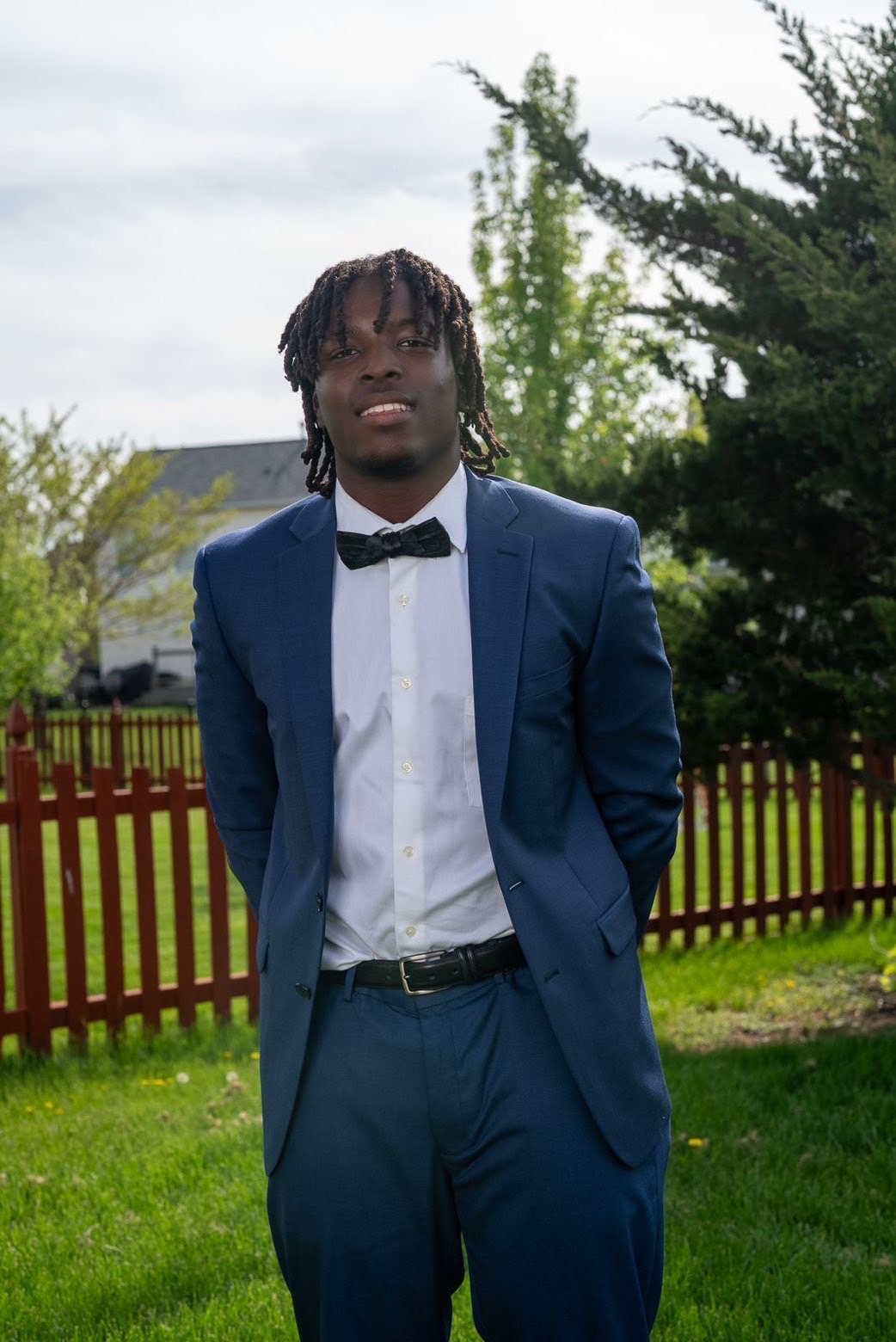
Marlon lesueur
Dayton, Ohio
It started just as a silly game. We had all recently gotten our driver's licenses and wanted to challenge each other to a race on a fairly common road not too far away. Like any bad decision, money was on the line, with $100 going to the winner of the race. Our cars were not the fastest: I had my 2015 Volkswagen Jetta, my two friends had a Cherry Red 2025 Mazda 3 and a 2018 Silver Chevrolet Equinox respectively. We decided to do a timed race rather than side-by-side racing because, in our heads, obviously timed racing was the safest option.
I went first and did the path in a decent time. My time was average as I was not the best race car driver; however, my friend with the Equinox was a different story. As we waited at the finish line, we used a walkie-talkie to tell him to go, and then we started the stopwatch. We just knew for sure that he would be the one to win, as he loves motorsports and does racing simulators like it’s his life.
This thought, however, was short-lived. As he turned the corner closest to the finish line, he lost control of his car, which completely flipped over into the grassy off-road. Immediately, we called 911 and ran to the car's side. As we were running, my other friend and I shared a glance that conveyed exactly what we were both thinking: what if it’s the last time we see him? This thought lingered in the back of our minds as we reached the car and started yelling our friend's name to no answer. We could see him passed out in the car with his face bloodied and just hoped he would come out okay. We could smell gas, and we were frantic to do anything to get him out. We tried flipping the car, waking him up from outside, and doing anything to save him and make sure he and the rest of us were safe. We heard sirens coming and were soon ushered away from the scene. We saw our friend rushed away in an ambulance while the police were questioning us about what happened. The police asked for driver’s licenses and immediately informed us that our driving rights were revoked and suspended. It was days before we got any news on our friend in the hospital, and it would be an understatement to say that when we finally did we were relieved.
He only had a cracked rib and a broken leg. The news reassured us that he would be able to make a full recovery; however, the lingering thoughts and fear remained in our heads. What if we weren't close enough to the fire station? What if he did one more flip and hit a rock or a tree? What if that would have been the last time we saw him?
This experience shows just how quickly things can happen in the moment. All of us thought we were decent drivers and that we knew the road, but in the end we almost lost someone dear to us and were lucky that he could even walk. But what about those out there who aren’t so lucky? How can we prevent stories like those and mine altogether? Well, the answer lies not in the moment itself, but with what happens before the driver even touches the wheel: driver's education. Driver’s education is a great way to reduce the number of lives lost from driving accidents. For one, it’s important because it shows people what to do in emergencies. Something from my driver’s ed class that stuck with me was a story about a young driver who was on his way home one night on a small rural road. He saw headlights coming straight at him in his lane and began to honk and flash his high beams. The other driver was impaired, halfway asleep, and had no clue what was going on. He forced the younger driver to swerve to the right, thinking it was safe. The young driver swerved into a ditch where his car tumbled and ended up totaled. The young driver ended up with fatal injuries and sadly did not make it home. Driver’s education could have allowed the young driver to respond in a safer manner. This would have led him to slow down and then turn off the road, which in this case could have been the difference between life and death.
More than just the acquisition of knowledge, driver's education is important because it creates a desire around the driver to make safer choices. This means that if a person has gone through a driver’s ed course and has internalized the material and devoted themselves to safe driving, the person is more likely to be a safe driver. To make those around me safer on the road, I’m now always the “annoying” friend telling them to turn the music down or checking their phone for them instead of letting them do it themselves. I strive to be the difference that could save their life one day and will continue to do so with those around me. Personally and frequently, I have taken extra precautions such as connecting my phone to the car so I won’t have to touch it or answer/make a call while driving. I try to leave home early to go to work or school so that I don’t have to speed. But even though I make mistakes sometimes, as I am still a fairly new driver, I am aware that thanks to my driver’s education and the experiences I’ve had, I will never be the same driver or person that I was last year.
In conclusion, if we want to reduce the number of deaths related to driving, then driver’s ed is a pivotal part in that equation and should be taken seriously. There are too many states that don’t require new drivers to go through a course, which leads to unsafe habits and bad crisis management, which leads to exacerbated accidents. Driver’s ed gives these new drivers a chance to learn what is okay to do on the road, how to manage different dangerous situations, and how to influence others to be safe drivers as well. The experiences that I have been through have shown me that being a driver is not just about the freedom you gain, but the responsibility that comes with that freedom. It became obvious that vehicles are “killing machines” if not handled with care and properly, as dictated by driver’s education. While I still may not be a perfect driver, I am proud to be someone who advocates for effective driver’s education, which in my opinion is the first step towards a world of safer driving and safer lives.
Content Disclaimer:
Essays are contributed by users and represent their individual perspectives, not those of this website.