I Thought I Was Different
2026 Driver Education Round 2
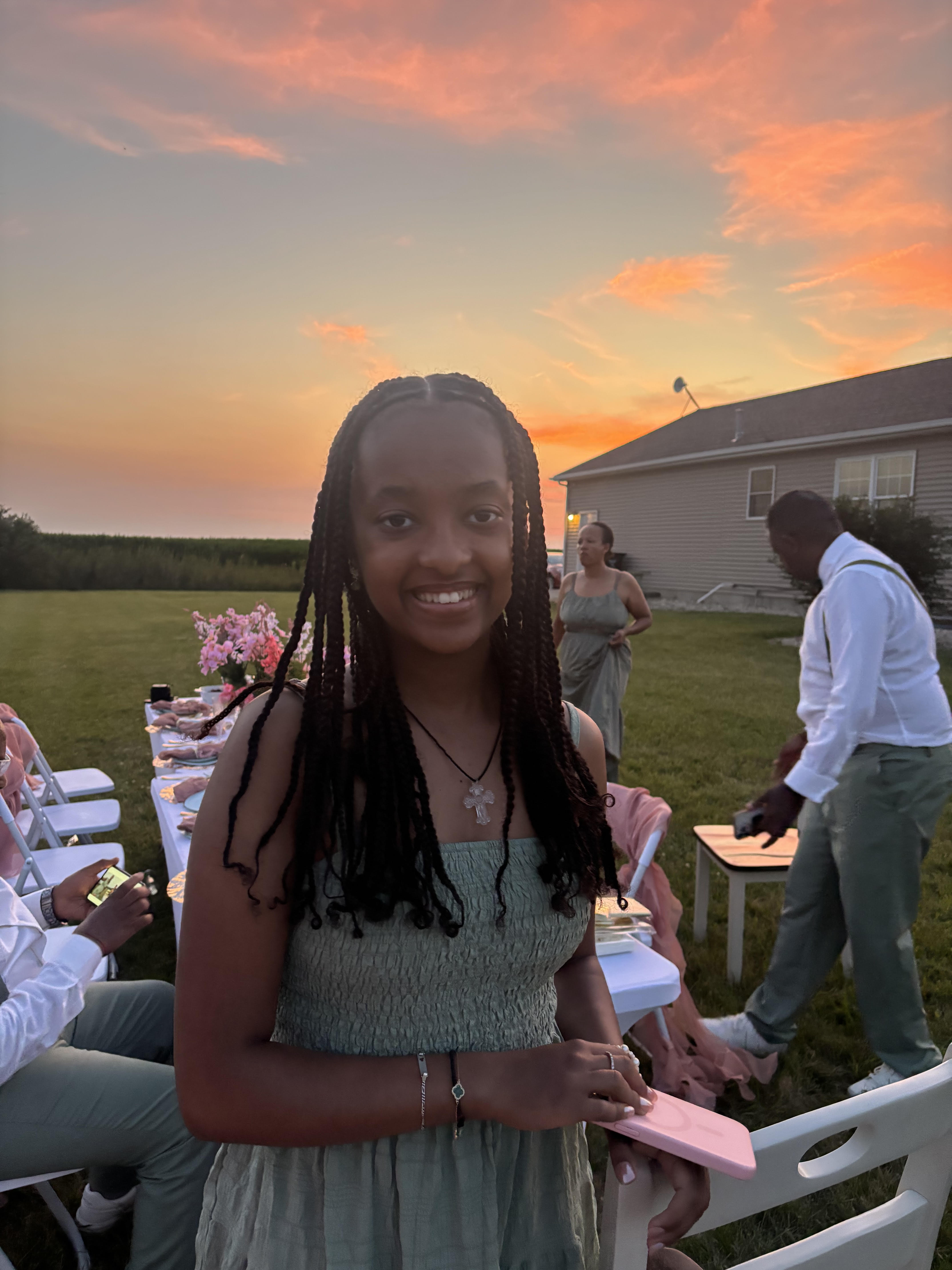
Liya Getachew
Normal, Illinois
I thought I was different. I grew up always knowing the importance of being a safe driver and passenger. I took car safety very seriously, from making sure I was always alert and cautious in any vehicle with anybody. I knew the crash statistics for driving, especially for new drivers. Teen drivers are eight times more likely to get into a car accident during the first three months of having a driver's license. This fact stuck with me so much from my driver's education class because I thought I was different, too smart to be like the kids who would get into an accident after only having their license for three months. In my driver's education class, I made sure to make the most of the class, ask questions, listen, and retain everything. I made perfect scores on my permit and driver's test, but it wasn't enough.
The longer I had my license, the less care I took in making sure I drove safely. That was when I got into a car accident, just three weeks into having my license! I was in a parking lot at the public library. I overestimated the tight parking lot and rammed into the back of the car next to the parking spot I was turning into. One second, I was simply turning into a parking spot, and the next, my car was squished into the back of an SUV. Immediately, all I could think of was, "How could this happen?!" That was the day that I fully understood how dangerous and serious controlling a vehicle is. My whole life, driving and being in a car had just felt like an out-of-body experience. I was obviously aware that crashes happen; I've been a passenger in one, but I was somehow untouchable. I had learned about the dangers of driving, memorized the statistics, and passed every test, yet I still found myself in an accident.
This experience completely changed my perspective on driver education. I realized that learning how to drive is about so much more than passing a test or knowing the rules of the road. Driver education is important because it teaches new drivers to recognize risks, make responsible decisions, and understand the consequences of their actions. It also helps develop habits that can last a lifetime. Knowing how to operate a vehicle is one thing, but understanding how to react when something unexpected happens is another. Education gives drivers the knowledge and preparation to make better decisions before they find themselves in a dangerous situation. However, that knowledge is only useful if drivers actually apply it. My own experience taught me that being educated about road safety does not automatically make someone a safe driver.
It's normal to think you will be the safest driver and always follow the speed limit, but everyone makes mistakes. You can't be perfect every second, and that's all it takes for something to happen on the road. You can't account for every moment and driver on the road, but you can do things to make driving safer for yourself and everyone on the streets. Not being lazy has to be the most important, but also the most challenging, especially as a new driver. Making sure your vehicle is in good shape with regular maintenance is commonly neglected but absolutely crucial. Checking your tires, brakes, lights, and other important parts of your vehicle can help prevent accidents caused by mechanical problems.
The little moments when you want to change the song on your phone, pick up the chapstick you dropped on the side of your seat, or hand something to a passenger in the back are when you have to think and make the right choice to be safe and keep your eyes on the road and your hands on the steering wheel. As it starts to get colder and the mornings begin with hard frost on your car's windows and windshield, this is something that I have had to constantly remind myself to do: make sure to clean the windows off fully and wait for the car to warm up before driving. Driving with little visibility out your windows is incredibly dangerous, but I am certainly guilty of doing it! Another very crucial thing to prevent dangerous situations that could have been avoided is making sure you provide yourself ample time to get to a destination so you don't find yourself speeding or taking shortcuts to make it in time. Whether that's leaving your house five or ten minutes earlier, getting somewhere on time is not worth putting yourself and others at risk. Another habit I have made a point of developing is looking both ways before driving through an intersection, even after the light turns green. I have seen firsthand how easily someone can get hit because another driver tries to rush through a light instead of stopping, and it has taught me that having the right of way does not always mean it is safe to go.
Beyond individual decisions, reducing driving-related deaths requires a collective effort. Drivers need to take responsibility for themselves, but communities, schools, and families also have a role to play. More accessible driver's education programs, continued practice with experienced drivers, and stronger awareness of distracted and impaired driving can make a difference. Wearing a seatbelt every time, following speed limits, never driving under the influence, and adjusting driving habits to weather and road conditions are simple decisions that can save lives. Equally important is creating an environment where passengers feel comfortable speaking up when a driver is being irresponsible. Sometimes, preventing an accident starts with someone being willing to say something before it happens.
Personally, I want to become a better driver by continuing to challenge the habits I have developed and never allowing myself to become overly comfortable behind the wheel. I want to be more intentional about defensive driving, maintaining a safe following distance, checking my surroundings, and anticipating what other drivers might do. I also want to hold myself accountable when I make mistakes instead of brushing them off because nothing serious happened. Just because I made it to my destination safely does not mean every decision I made along the way was a good one.
I can also help others become safer drivers by being a responsible passenger and encouraging the people around me to take driving seriously. Whether that means reminding someone to put their phone away, wear their seatbelt, slow down, or take a break when they are tired, I don't want to be someone who stays quiet when someone's safety is at risk. I especially want to encourage other new drivers to take their driver's education seriously, even after they have passed their tests. It is easy to feel confident once you have your license, but confidence should never turn into carelessness.
My accident was not something I ever expected to happen, especially after everything I had learned about safe driving. However, it taught me a lesson that no perfect test score could have: driving is a responsibility that deserves your full attention every single time you get behind the wheel. I cannot change what happened, but I can change how I approach driving moving forward. I thought I was different, but I learned that no driver is invincible. Being a safe driver isn't about believing you will never make a mistake; it's about recognizing that you can, preparing for the unexpected, and making the conscious decision to protect yourself and everyone sharing the road.
Content Disclaimer:
Essays are contributed by users and represent their individual perspectives, not those of this website.