Impact of 1 wrong turn
2026 Driver Education Round 2
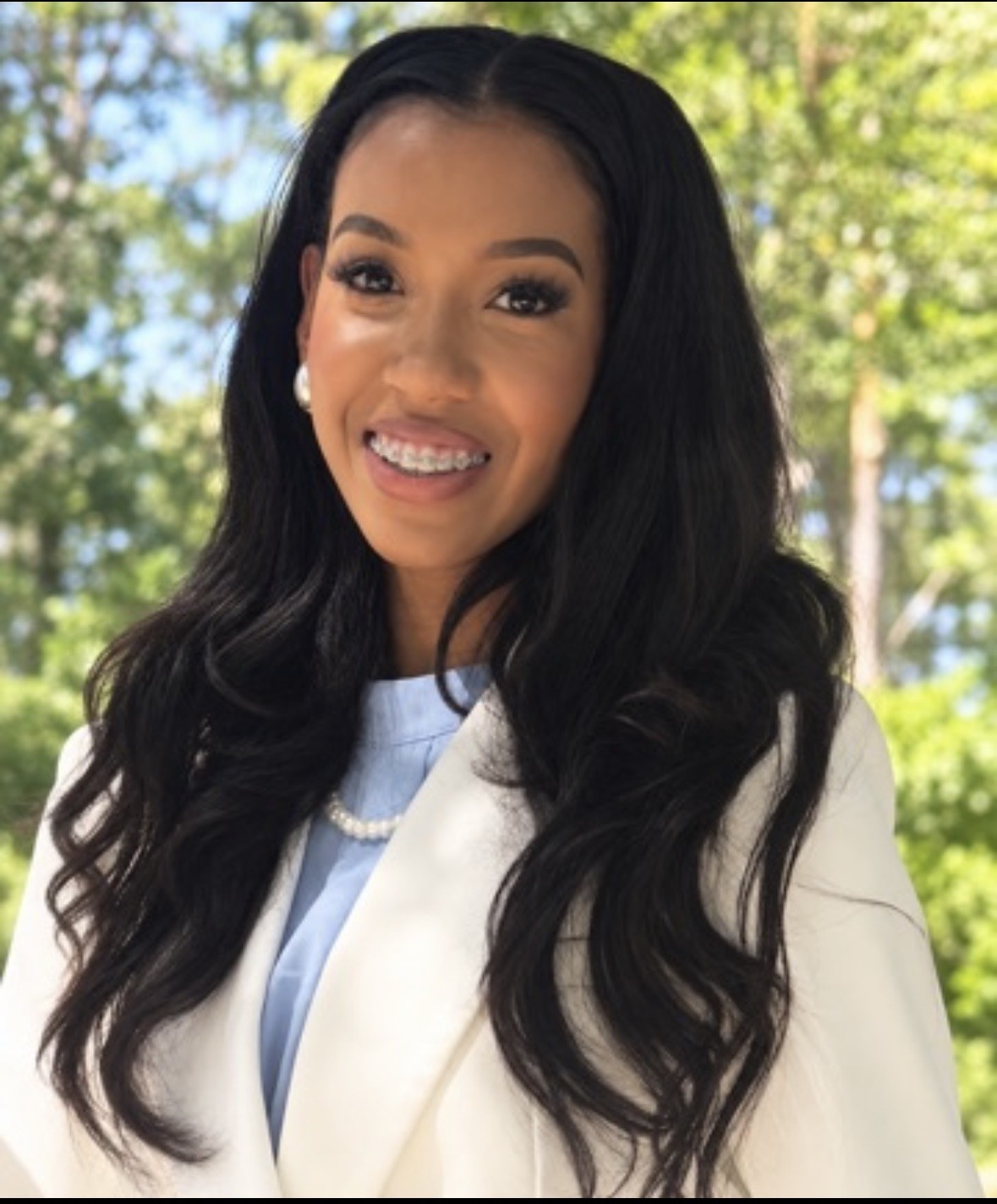
winter moses
jacksonville, Florida
An accident can happen in seconds but recovery can take months, years or even a lifetime. Before August 2026, I understood that driving could be dangerous but witnessing a serious accident helped me understand just how quickly someone's life can change. Months later, during my nursing clinicals, I was reminded that the consequences of an accident do not disappear when the road is cleared.
In August, I witnessed a frightening head on collision. A driver was exiting when another vehicle traveling in the wrong direction struck their car. Everything happened so quickly. One moment, people were simply traveling to their destinations, and the next, their lives had been interrupted by a devastating crash. Watching that accident made me realize how much responsibility comes with operating a vehicle. A single mistake or dangerous decision can affect people who have done nothing wrong.
Just yesterday, during my nursing clinicals, I encountered a young woman who was still recovering from that accident. When another student asked what had happened to her, she shared her story. I realized she had been involved in the collision I witnessed months earlier. Hearing her experience while seeing her continuing recovery made the importance of driver safety even more personal to me.
As a high school senior enrolled in a nursing academy, I am learning how injuries affect patients physically and emotionally. Seeing someone still recovering months after a collision reminded me that traffic accidents are not just statistics. Behind every crash is a person with family, goals, responsibilities and a future that may suddenly look different.
Driver education is essential because it teaches people that driving requires more than knowing how to operate a car. Drivers must understand traffic laws, recognize hazards, make responsible decisions and remain aware of their surroundings. Learning about road signs, rules of way and wrong way driving and defensive driving techniques can help prevent dangerous situations. Education also encourages drivers to understand the consequences of speeding, distracted driving, impaired driving and other reckless behaviors.
Reducing traffic related deaths requires both individual responsibility and community action. Drivers should avoid using their phones, follow speed limits, wear seat belts and never drive while impaired or overly tired. They should pay special attention to road signs and exit ramps, particularly in unfamiliar areas. Schools and communities can also provide driver safety workshops, encourage defensive driving courses and share real experiences that help young drivers understand the risks.
I believe personal stories can sometimes teach lessons that statistics cannot. When someone hears about an accident, they might feel concerned for a moment and then continue with their day. However, meeting someone who is still recovering months later creates a different understanding. It reminds us that out decisions behind the wheel can have lasting consequences for people we may never even meet.
As I continue learning to become a safe and responsible driver, I can make a difference by developing good habits early. I can eliminate distractions, remain patient, maintain a safe following distance and pay attention to other drivers. I can also speak up when someone is driving irresponsibly, encourage friends to put their phones away and remind passengers to wear seat belts. Being a responsible driver also means recognizing when I am too tired, upset or distracted to drive safely.
My goal of becoming a nurse has taught me to value the well being of others. That responsibility should not begin when I enter a hospital or put on scrubs. It should also guide the decisions I make every day, including those I make behind the wheel. The accident I witnessed in August and the patient I encountered during clinicals showed me two sides of the same event. The sudden moment of impact and the long road toward recovery. I cannot change what happened that day but I can learn from it and encourage others to do the same.
Every time we drive, we make decisions that affect more than ourselves. Driver education gives us the knowledge to make better choices but responsibility is what turns that knowledge into action. I want to remember that every vehicle carries someone's child, parent, sibling or friend. No destination is worth putting those lives at risk.
As a future nurse, I hope to spend my life helping people heal but I also want to help prevent injuries before they happen. If sharing what I witnessed encourages even one person to slow down, pay attention or make a safer decision, then my experience will have served a greater purpose.
Content Disclaimer:
Essays are contributed by users and represent their individual perspectives, not those of this website.