In the Driver's Seat
2026 Driver Education Round 2
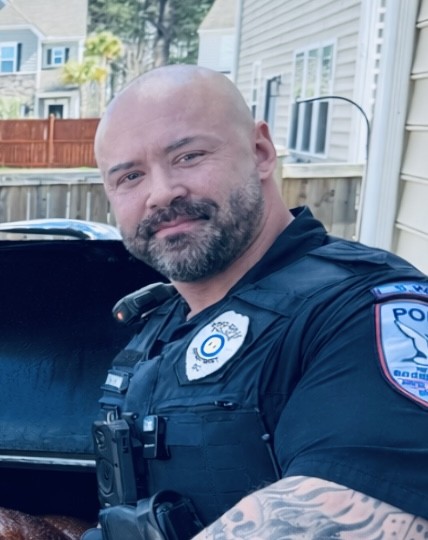
Philip Peterson
North Charleston, South Carolina
Most people don't think of driving as one of the most dangerous things they regularly do. That's part of the problem.
Driving becomes routine very quickly. We get into a vehicle, start the engine, check the mirrors (maybe), and head to work, school, the gym, or the grocery store. Because we do it so often, it's easy to forget that we're controlling thousands of pounds of machinery at highway speeds while surrounded by other people doing exactly the same thing.
My perspective on that responsibility is shaped by my career in law enforcement. I've seen firsthand how quickly an ordinary drive can turn into an emergency because of distraction, poor judgment, excessive speed, impairment, or simple carelessness. That experience has made one thing very clear to me: safe driving isn’t just a personal habit. It’s a public-safety responsibility.
Driver education plays a major role in reducing traffic deaths because it gives new drivers more than just the mechanical ability to operate a vehicle. Good driver education teaches judgment.
Knowing how to accelerate, brake, turn, and park is only the beginning. A safe driver also needs to understand following distance, stopping distance, blind spots, weather conditions, defensive driving, distracted-driving risks, impairment, and how speed changes the severity of a crash. That education matters most before bad habits become normal.
New drivers are especially vulnerable because confidence can develop faster than experience. Someone may become comfortable behind the wheel after a few months and begin to believe that driving is easy. That's often when dangerous shortcuts appear: checking a phone at a red light, following too closely, speeding because the road looks empty, or assuming that one drink won’t matter. Driver education should directly challenge that false sense of comfort.
Young drivers should be shown realistic consequences, not just given rules to memorize long enough to pass an exam. Education should explain not only that texting while driving is dangerous, but why. Taking your eyes off the road for several seconds at highway speed means traveling a significant distance without actually watching where you're going. No one would willingly close their eyes while driving down an interstate, yet people effectively do the same thing every day while looking at their phones.
Reducing traffic deaths also requires more than education alone. Enforcement matters. Road design matters. Vehicle technology matters. Personal responsibility matters. Communities can improve road safety through better lighting, clearer signage, safer intersections, improved pedestrian crossings, and roadway designs that reduce unnecessary conflict between vehicles. Automakers can continue developing collision-warning systems, automatic emergency braking, lane-departure technology, and other safety features that help compensate for human mistakes. Law enforcement also has an important role through impaired-driving enforcement, speed enforcement, seat-belt enforcement, and visible traffic patrol. However, no amount of technology or enforcement can fully replace responsible decisions by drivers themselves.
A vehicle can warn someone that they’re drifting out of a lane, but it can’t make them care about the warning. A police officer can stop one impaired driver, but can't be present on every road at every moment. A seat belt reminder can beep relentlessly, but eventually the driver has to make the decision to buckle it. That's why traffic safety has to become part of the culture rather than simply a list of laws.
People should feel the same social pressure against dangerous driving that exists around other obviously reckless behavior. Friends should be willing to take someone's keys if that person has been drinking. Passengers should speak up when a driver is texting or driving aggressively. Parents should model the same behavior they expect from their children.
One of the biggest mistakes people make is assuming that experience makes them immune to risk. In reality, experienced drivers can become dangerous for the opposite reason that new drivers are dangerous: they become too comfortable. After years of driving without a serious crash, it's easy to think, "I've done this a thousand times and nothing happened." That may be true right up until time number 1,001.
My own law-enforcement experience has exposed me to the aftermath of crashes and irresponsible driving often enough that I don’t view traffic safety as an abstract issue. A collision scene has a very different meaning when you are standing in it rather than reading a statistic about it.
What may have started as a momentary distraction, an unnecessary burst of speed, or a poor decision to drive after drinking can suddenly involve police officers, firefighters, paramedics, tow-truck operators, emergency rooms, insurance companies, and families receiving phone calls they never expected. That's what makes prevention so important. The best crash is the one that never happens.
There are several steps I can personally take to be a safer driver. The first is simple: eliminate unnecessary
distractions. My phone doesn't need my attention while I'm driving. Messages can wait. Notifications can wait. People have survived a few thousand years without receiving an immediate response to a text message, so they can probably manage for another several minutes.
I can also maintain safe following distances, obey speed limits, adjust my driving for weather and traffic conditions, wear my seat belt every time, and avoid driving when overly tired. Just as importantly, I can influence others.
Because of my profession, people may take traffic-safety advice from me more seriously than they would from a commercial or a poster. That gives me an opportunity to reinforce safe habits with friends, family members, coworkers, and younger drivers. Sometimes that means having an uncomfortable conversation.
If someone is about to drive after drinking, speaking up may create an awkward moment. Taking someone's keys may annoy them. Telling a friend to put their phone down may make you sound like the least exciting passenger in the car. That's still better than being silent and regretting it later. The responsibility of driving extends beyond the person behind the wheel.
Every driver shares the road with families, children, motorcyclists, pedestrians, cyclists, emergency responders, and people simply trying to get home safely. One careless decision can affect all of them. Driver education matters because it teaches people how serious that responsibility is before experience teaches them in a much harsher way. Safer roads will require better education, stronger personal responsibility, effective enforcement, improved road design, and continued advances in vehicle safety technology.
But ultimately, every trip begins with one person making decisions behind the wheel. Being a safe driver means remembering that getting somewhere quickly is never more important than making sure everyone gets there at all.
Content Disclaimer:
Essays are contributed by users and represent their individual perspectives, not those of this website.