In the Driver's Seat
2026 Driver Education Round 2
Ferda Hunter
Lakeside, California
I have never been in a car accident, but I have seen many. Every time I pass one, there is a moment when the traffic slows, everyone looks, and then everyone speeds up again as if nothing happened. I think that moment explains a lot about why so many people die on American roads. We see the result of careless driving all the time, and we still believe it will happen to somebody else.
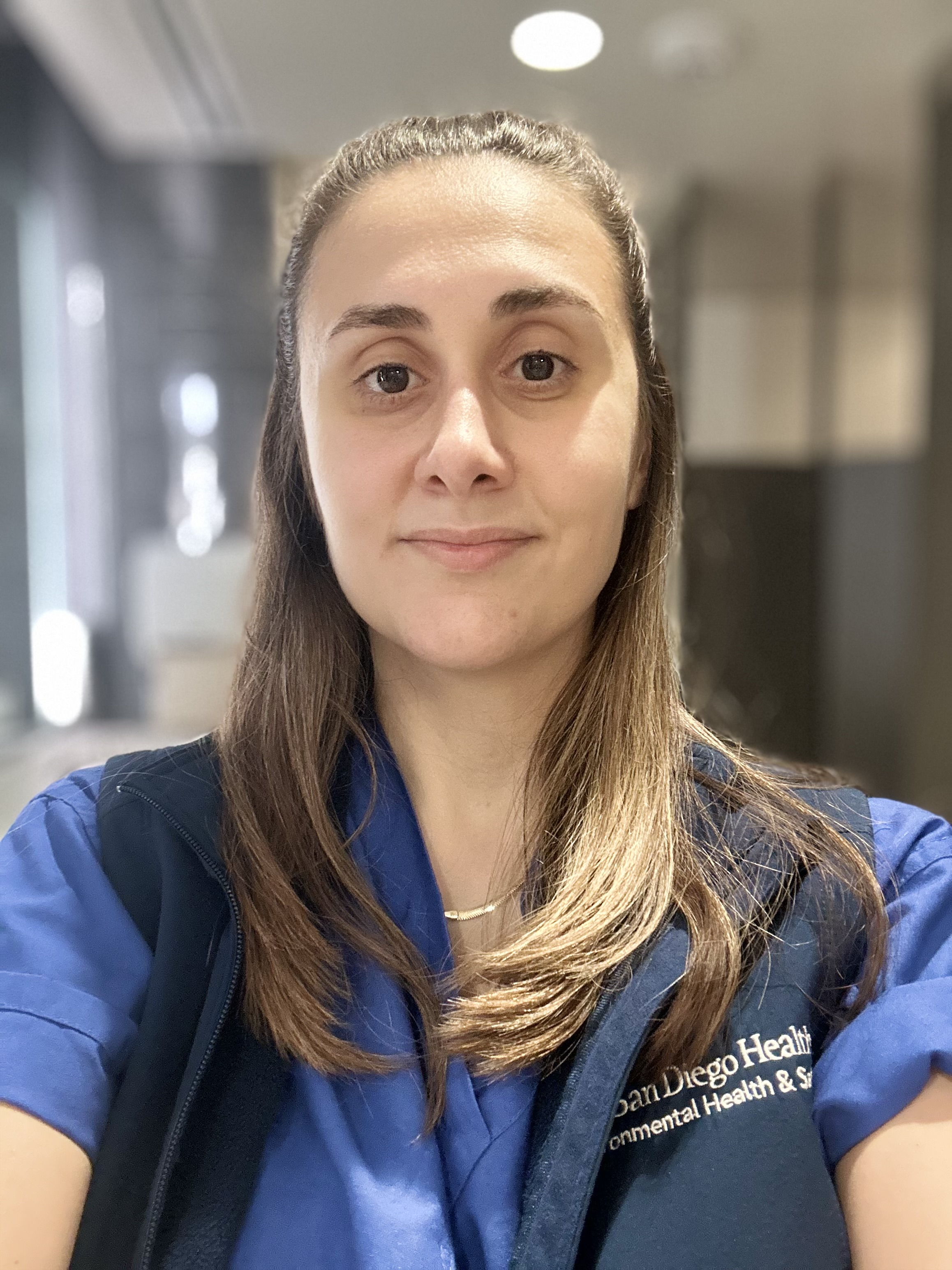
I am a nursing student, and I have worked in operating rooms for more than six years as an anesthesia technician. In my work, nobody is allowed to think "it will not happen to me." We count every instrument, we check every medication twice, and we follow the same steps every time, because one small mistake can cost a life. Driving is the most dangerous thing most of us do every day, yet many people treat it with less care than they give to cooking dinner. This essay is about why driver education matters, what can be done to reduce deaths, and what I will do myself.
Why driver education matters
The numbers on this scholarship page are shocking: an average of 34,000 people die each year because of driving, more than the American soldiers who died in the wars in Iraq and Afghanistan combined. Most of these deaths do not happen because of bad luck. They happen because of choices: speeding, driving tired, driving after drinking, looking at a phone, or not wearing a seat belt. Choices can be changed, and that is exactly what education does.
A new driver can pass a test and still not understand risk. Knowing the rules is not the same as knowing why the rules exist. Good driver education teaches that a car moving at highway speed carries enormous force, that stopping distance grows quickly with speed, and that the human body is not built to survive a sudden stop from sixty miles per hour. When people truly understand this, a seat belt stops being an annoying rule and becomes the obvious thing to do.
Education also matters for experienced drivers, not only for teenagers. Many adults learned to drive years ago and never learned again. Cars changed, roads changed, and phones arrived in every pocket. A driver who has been on the road for twenty years can have twenty years of bad habits. In healthcare we must renew our training regularly; I keep my BLS and ACLS certifications current because skills fade and guidelines improve. I believe drivers would benefit from the same idea: short refresher courses, especially after a ticket or an accident, would remind people that safe driving is a skill to maintain, not something learned once.
Steps that can reduce deaths
The first step is to make distraction socially unacceptable, the way drunk driving became unacceptable over the last few decades. Laws already exist, but laws work best when people also feel that texting while driving is shameful, not normal. Schools, employers and families can all help by talking about it openly.
The second step is better design. Roads with clear lanes, good lighting, safe crossings for pedestrians and lower speeds in busy neighborhoods save lives even when drivers make mistakes. Cars with automatic emergency braking and lane warnings help too. A safe system expects humans to make errors and protects them anyway. Hospitals work this way: we do not depend only on a person remembering everything, we build checklists and alarms around them.
The third step is fast and skilled emergency care. When a crash does happen, the minutes after it decide a lot. Teaching more people basic first aid and CPR, and making sure everyone knows to call for help immediately and give a clear location, can turn a fatal accident into a survivable one.
The fourth step is honest conversation inside families. Many young drivers learn more from watching their parents than from any class. If a parent checks a phone at a red light, the child learns that it is acceptable. If a parent puts the phone away before starting the car, the child learns that too.
What I will do
For myself, the commitments are simple, and I will keep them. My phone goes out of reach before I start the car. If I am tired after a long shift, I take a break or ask for a ride instead of pushing through, because I know from the operating room how badly fatigue affects judgment. I keep a safe distance, I slow down in bad weather, and I leave earlier so I never feel I have to rush. I wear my seat belt on every trip, even short ones, and I ask everyone in my car to do the same.
To help others, I can use what I am learning in nursing. Nurses teach patients every day, and I plan to talk about seat belts, distracted driving and impaired driving the same way I would talk about any other health risk: calmly, honestly and without judging. I also want to keep my CPR skills current, so if I am one of the first people at an accident scene, I can help instead of only watching.
I have seen many accidents from the outside, and I hope I never see one from the inside. Being a safe driver is not only about protecting myself. It is about the other families on the road who are also trying to get home.
Content Disclaimer:
Essays are contributed by users and represent their individual perspectives, not those of this website.