In the Driver's Seat
2026 Driver Education Round 2

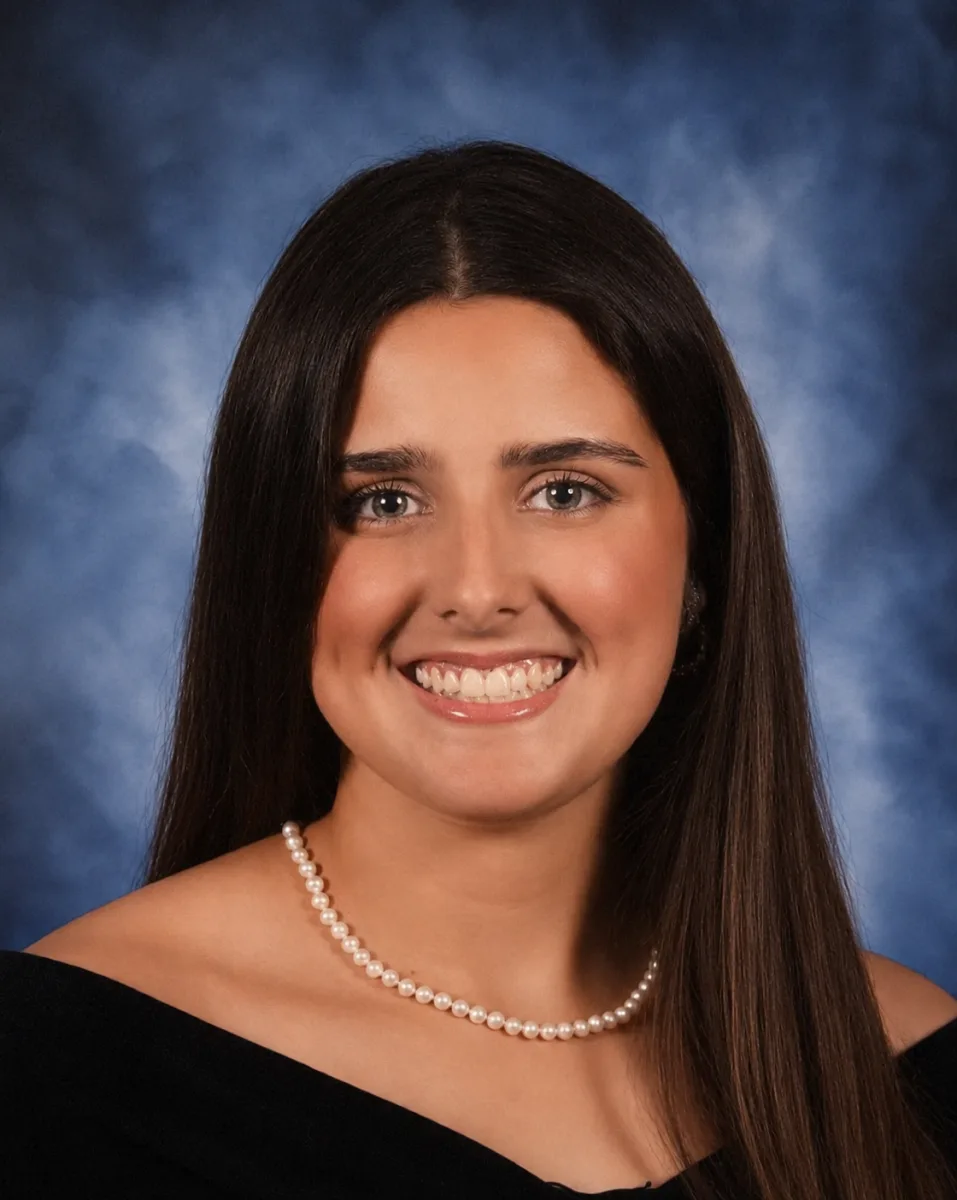
Gabriella Ramos
Mount Dora, Florida
Driving is something millions of Americans do every day without giving much thought to the risks that come with it. For many people, getting behind the wheel is simply part of their daily routine. They drive to school, work, the grocery store, or to visit family and friends. However, what many people forget is that driving is a responsibility that can affect not only their own lives but also the lives of everyone around them. A single careless decision can change someone's life forever. Thousands of people lose their lives in motor vehicle accidents every year, and many of these tragedies could be prevented. I believe driver education, personal responsibility, and awareness are essential to making our roads safer.
Driver education plays an important role in reducing the number of deaths caused by driving because it teaches people how to recognize dangers and make responsible decisions behind the wheel. Learning how to operate a vehicle is only one part of becoming a good driver. A person also needs to understand traffic laws, road signs, right-of-way rules, safe following distances, and how to react when unexpected situations occur. Driver education prepares people for situations they may not have experienced before, such as driving in heavy rain, encountering an aggressive driver, or having another vehicle suddenly stop in front of them. Without proper education, inexperienced drivers may not know how to respond, which can increase the chances of an accident.
I also believe driver education is especially important for teenagers and young adults who are just beginning to drive. When someone first receives their license, it is easy to feel excited about having independence and freedom. However, that excitement can sometimes lead to overconfidence. New drivers may underestimate how quickly an accident can happen or believe that certain traffic laws are unnecessary. Driver education helps establish safe habits before irresponsible behaviors become routines. It teaches young drivers that being a good driver is not about how quickly they can reach their destination but about getting there safely.
Many steps can be taken to reduce the number of driving-related deaths. One of the most important is eliminating distracted driving. Cell phones have become such a normal part of everyday life that many people feel the need to check notifications, answer messages, or change music while driving. However, even taking your eyes off the road for a few seconds can have serious consequences. Drivers should put their phones away, activate driving mode, and avoid anything that takes their attention away from the road. No text message, phone call, or social media notification is worth risking someone's life.
Another important step is preventing impaired driving. Alcohol, illegal drugs, and certain medications can affect a person's judgment, coordination, and reaction time. Someone who knowingly chooses to drive while impaired is not only putting themselves in danger but also risking the lives of innocent people. It is important to plan by arranging a designated driver, using a rideshare service, or asking someone for a ride. Drivers should also understand that impairment is not always obvious and that certain substances can affect a person's ability to operate a vehicle even when they do not feel impaired. Speeding is another major concern. Many drivers become impatient or feel pressured to arrive somewhere quickly, but saving a few minutes is never worth risking a life. Following speed limits, wearing seat belts, maintaining vehicles, and staying alert in bad weather are simple actions that can make a significant difference.
My understanding of the dangers of driving is deeply personal because of what happened to my father. He was involved in a serious car accident after being drugged without his knowledge by his ex-wife. The accident left him in the intensive care unit, and his injuries were so severe that he had to relearn how to walk. Watching my father experience something so life-changing made me understand that the consequences of a car accident extend far beyond the moment it happens. His recovery affected not only him physically and emotionally but also the people who love him. Seeing someone who was once able to go about his daily life struggle to regain the ability to walk changed the way I look at road safety.
His experience also taught me that the dangers of driving can begin before someone even gets behind the wheel. Being aware of what we consume, understanding how substances affect our bodies, and recognizing when we are not safe to drive are all important parts of responsible driving. Although my father was drugged without his knowledge, his experience showed me just how devastating impaired driving can be. It also made me realize how important it is to take precautions and never assume that a situation is safe simply because it appears normal. I cannot change what happened to my father, but I can use what I learned from his experience to become a more educated and responsible driver and encourage others to take road safety seriously.
I believe becoming a better and safer driver starts with being honest about my own responsibilities. I can make a conscious effort to follow traffic laws, obey speed limits, wear my seat belt every time I enter a vehicle, and keep my attention focused on driving. I can avoid using my phone, even when I believe a glance will not hurt. I can also make sure I am well-rested before driving because being tired can affect concentration and reaction time. Before getting on the road, I should check that my vehicle is in good condition, adjust my mirrors, and make sure I am prepared for the trip. These actions may seem small, but consistently practicing them can help prevent dangerous situations.
Being a safer driver also means understanding that I cannot control what everyone else does on the road. I can only control my own decisions and how I respond to other drivers. If someone is driving aggressively, I should avoid engaging with them or trying to prove a point. If another driver makes a mistake, I should remain calm and give them space. Defensive driving means paying attention to what is happening around me, anticipating possible dangers, and allowing enough time and distance to react. It also means understanding that having the right of way does not protect someone from an accident if another driver makes a dangerous decision.
Beyond my own driving habits, I can help others become safer by encouraging responsible behavior. If I am riding with someone who is texting while driving, I can politely ask them to put their phone away. If someone has been drinking or using drugs, I can encourage them not to get behind the wheel and help them find another way home. I can also remind friends and family members to wear their seat belts and avoid speeding. Although these conversations may sometimes feel uncomfortable, speaking up could prevent someone from making a decision they will regret for the rest of their life. I would rather risk someone being annoyed with me for reminding them to drive safely than remain silent when their behavior could put lives in danger.
Ultimately, I believe safe driving comes down to understanding the value of human life. A driver’s license is not simply permission to operate a vehicle; it represents a responsibility to follow the rules, respect other people, and make thoughtful decisions. Every person on the road has somewhere they need to be and someone who wants them to make it home safely. We cannot prevent every accident, but we can reduce many of the risks by becoming educated, staying alert, and taking responsibility for our actions.
As I continue gaining experience as a driver, I want to remember that arriving safely is always more important than arriving quickly. My father’s experience has shown me that the consequences of a car accident can last far longer than the accident itself. It has also reminded me that behind every statistic is a real person with a family, dreams, responsibilities, and a future. I hope to encourage the people around me to recognize that same responsibility. If more drivers understood that their decisions could affect an entire family, perhaps they would think twice before taking unnecessary risks. Ultimately, safer roads begin with individual choices. One person choosing not to text, speed, or drive impaired may seem like a small contribution, but that decision could be the reason someone else gets to go home. Being in the driver’s seat means having control over a vehicle, but more importantly, it means accepting responsibility for the lives that share the road.
Content Disclaimer:
Essays are contributed by users and represent their individual perspectives, not those of this website.