“In The Driver’s Seat”
2026 Driver Education Round 2
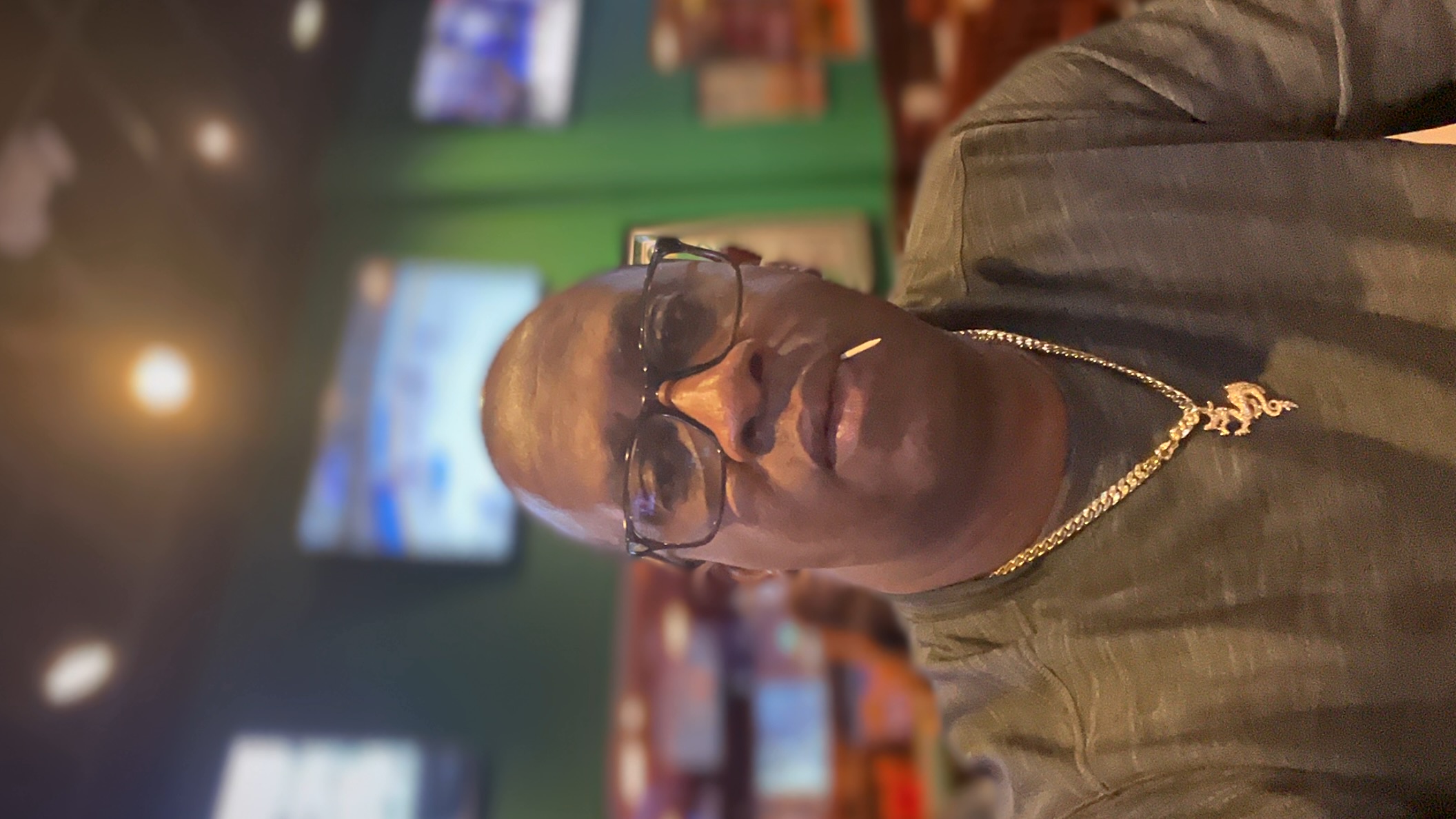
Paul Davy
Phoenix, Arizona
“In The Driver’s Seat”
Written by Paul Davy
Many drivers are unaware of these startling and frightening facts, especially newer drivers. Every day, people get behind the wheel believing that a crash will never happen to them. They believe that because they have driven to work, to school, or to the store a hundred times without incident, they are safe. The truth is far more frightening. According to the National Highway Traffic Safety Administration, more than 40,000 people die on American roads every year, and millions more are injured. For teenagers and young adults, motor vehicle crashes remain one of the leading causes of death. These are not just statistics. They are mothers, fathers, sons, daughters, classmates, and co-workers who never made it home.
As a student at the University of Phoenix, and as someone who has spent over twelve years in public safety — as a Customs Officer, as a Security Officer with Allied Barton, now Allied Universal, and as a Probation Intern with the Florida Department of Corrections — I have seen firsthand what happens when people are not safe and educated behind the wheel. I have responded to scenes where a moment of distraction changed a family forever. I have seen the consequences of speeding, impaired driving, and aggressive behavior. That experience is why I believe being a safe and educated driver is not just a personal choice. It is a moral responsibility to everyone else on the road.
Being a safe driver begins with education. Too many new drivers learn only enough to pass a written test and a short road test. They memorize a few signs and rules, but they do not truly learn how to drive. A truly educated driver understands much more than how to operate a vehicle. An educated driver understands the physics of stopping distance, how weather changes traction, how blind spots work, and how fatigue impairs judgment just as much as alcohol. An educated driver understands that a car traveling 70 miles per hour covers more than 100 feet per second, and that looking down at a phone for five seconds is the equivalent of driving the length of a football field blindfolded. When drivers understand these facts, they drive differently. They slow down. They put the phone away. They leave space.
Education also means understanding the law and why it exists. Speed limits are not suggestions. Seat belt laws are not inconveniences. DUI laws are not meant to punish people for having fun. Each of these laws was written because someone died. As a Customs Officer, I was trained to enforce laws not just to punish, but to prevent harm. That same principle applies to driving. When we obey traffic laws, we protect ourselves and the strangers who trust us to do the right thing.
One of the most frightening facts that many newer drivers are unaware of is how dangerous distracted driving has become. Texting, scrolling through social media, eating, adjusting the radio, or talking to passengers can all take a driver’s eyes and mind off the road. For a new driver still learning to scan for hazards, even a one-second distraction can be fatal. I have interviewed drivers after crashes who said, “I only looked away for a second.” That second was enough. Education must teach new drivers that distraction is not a minor mistake — it is a form of impaired driving.
Impaired driving is another critical issue. Many young drivers think impairment only means alcohol. Impairment includes marijuana, prescription drugs, over-the-counter medication, lack of sleep, and emotional distress. A driver who is angry, upset, or exhausted is not safe. An educated driver knows to recognize those states and choose not to drive. That means calling a rideshare, asking a friend, or simply waiting until they are clear-headed. Making that choice takes maturity, and maturity comes from education and experience.
Defensive driving is another skill that every educated driver must learn. Defensive driving does not mean driving fearfully. It means driving proactively. It means anticipating what other drivers might do, keeping a safe following distance, checking mirrors every few seconds, and always having an escape route. In my work in security, we are taught always to be aware of our surroundings. We call it situational awareness. Drivers need that same awareness. They need to watch for a child running into the street, a car running a red light, or a motorcycle in their blind spot. The best driver is not the fastest driver. The best driver is the one who sees danger before it happens and avoids it.
Being a safe and educated driver also has a financial and community impact. Crashes cost American society more than $340 billion a year in medical costs, lost productivity, property damage, and legal expenses. But the true cost cannot be measured in dollars. When a young person is killed in a crash, a family is broken, a school grieves, and a community loses a future. When a driver is injured and cannot work, their family suffers. When we drive safely, we protect not only our own future, but the future of our community.
For me, this scholarship is about more than money for school. It is about using my education at the University of Phoenix to become a better leader in public safety and to teach others. I want to use what I learn in my degree program to mentor new drivers in my community in Port St. Lucie, Florida, especially young drivers who may not have had a parent or role model to teach them safe habits. I want to show them that being in the driver’s seat is a position of power and responsibility. You control a two-ton machine that can save a life or take one.
In conclusion, many drivers are unaware of the startling and frightening facts about driving, especially newer drivers. But awareness can be taught. Education can save lives. If we commit to being safe, educated, defensive, and responsible drivers — if we put the phone down, slow down, buckle up, and never drive impaired — we can reduce crashes, save families from grief, and make our roads safer for everyone. When you are in the driver’s seat, you are not just driving a car. You are protecting life. That is a responsibility I take seriously, and it is why I am applying for this scholarship.
Content Disclaimer:
Essays are contributed by users and represent their individual perspectives, not those of this website.