In the Driver’s Seat
2026 Driver Education Round 2
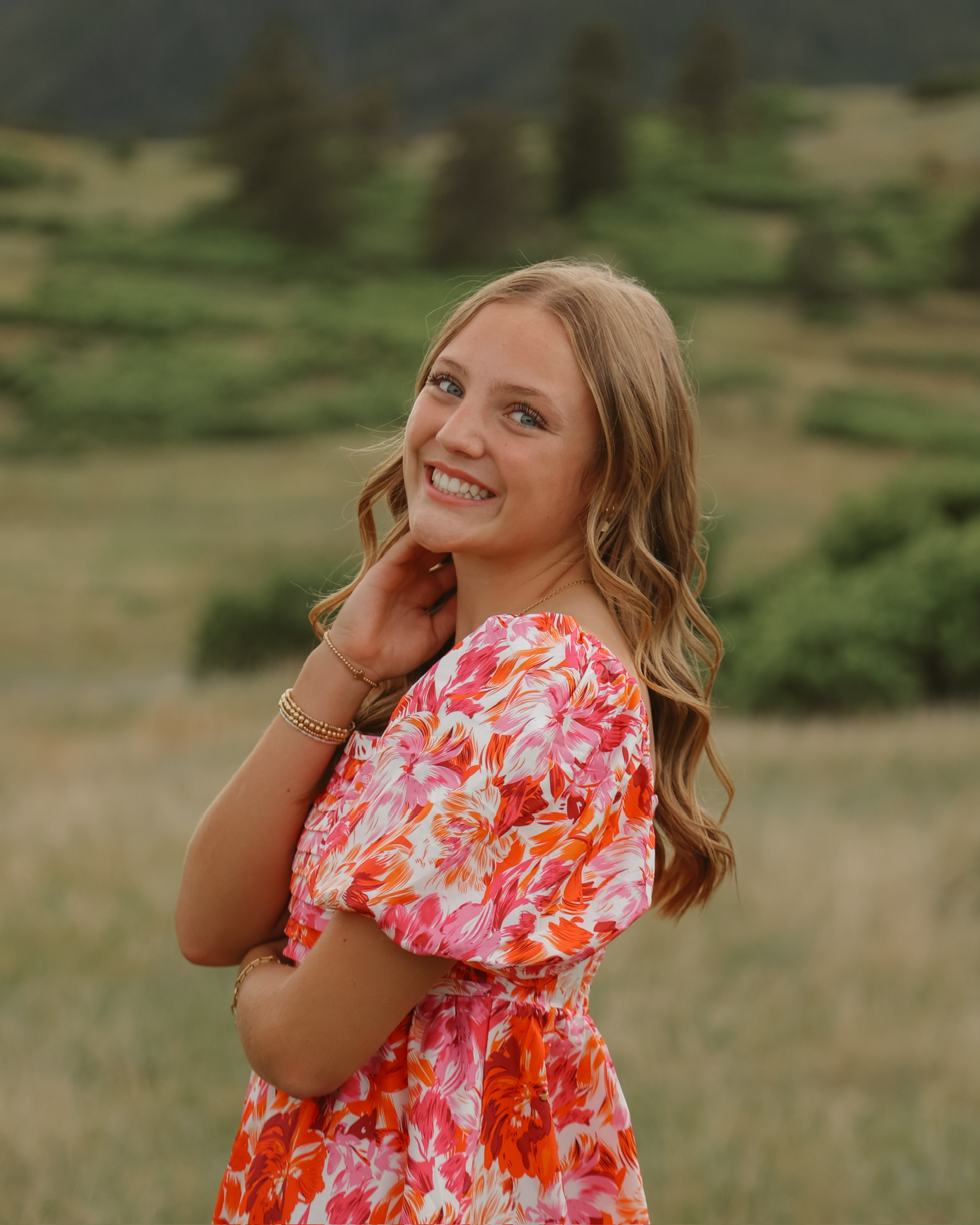
Hayley Robers
Colorado Springs, Colorado
I remember sitting in the backseat of my friend Jill’s car, watching as we got closer and closer to the exit ramp. Everyone in her car was yelling at her that this was our exit but we were nowhere near the right lane to exit. It was snowing quite heavily, and we were driving on the highway to go watch our high school basketball boys playoff game. In the lane we needed to get into there was a semi-truck. Jill tried to speed up to get ahead of it, but the truck was still side by side with us. Suddenly, Jill swerved the car in front of the truck, barely missing the middle barrier separating the exit ramp from the highway. I remember screaming because I genuinely thought we were going to crash and we were going so fast. Everyone was laughing because they thought it was funny but I was still shaking at the fact that my life was almost taken.
In the end, everyone was okay, but I will never forget how scared I felt in that moment. My friends did not understand why I was so upset and thought I was overreacting. However, to me, the situation was completely irresponsible. We were teenagers in a crowded highway, driving in snow without 4 wheel drive, and the safest option would have been to take the next exit and allow our maps to reroute us. Instead, my friend risked everyone’s safety just to get where we were going a little faster.
That experience changed the way I look at driving. I had already taken driver’s ed and learned about the dangers of irresponsible driving, but hearing about accidents on a computer is different from feeling like you are about to be in one yourself. It made me realize that knowing the rules of the road is important, but knowing how to make safe decisions when things do not go as planned is just as important.
Unfortunately, I have also experienced the much more serious consequences of irresponsible driving. One of my childhood friends, who was also on my basketball team, passed away in an accident driving home from one of our basketball practices caused by another driver who was under the influence. The thought of guilt was crazy for me. To think we could have stayed one second later at the gym and shot one more shot for this not to happen was really hard for me. Losing someone I grew up with made the dangers of driving feel even more real. It reminded me that a driver’s decisions do not just affect the people inside their car, but they affect other drivers, passengers, families and friends. One person’s decision to drive under the influence can change so many lives forever. This is why I believe driver education is about much more than passing a test or earning a license. It is about understanding that every decision behind the wheel matters.
Driver’s Ed helps prevent accidents by giving people the knowledge and skills they need before they become independent drivers. It teaches traffic laws, road signs, right of way rules, and how to recognize dangerous situations. It also explains the risks of distracted driving, speeding, and driving under the influence. My mom always told me to drive defensively because allowing someone to go ahead of me even if they are not supposed to doesn’t matter when my life is on the line. These lessons help young drivers like me understand why certain rules exist instead of simply memorizing them. For example, learning to leave enough space when merging or to slow down in bad weather might seem like stupid small details, but those decisions can prevent serious accidents. Driver education also teaches people to stay calm and make better choices when something unexpected happens.
I believe one step that could reduce car crash deaths is requiring young drivers to complete a Driver’s Education course before receiving their licenses. These courses could be offered through public schools or private programs so that more students have the opportunity to participate. Another step would be providing drivers with occasional refresher tests. Just because someone passed their driving test years ago does not mean they always remember every road rule or continue following safe driving habits. Short written or practical assessments could remind people of important safety information and help keep their knowledge up to date.
Another important step is accountability. Drivers need to understand that breaking traffic laws can have serious consequences. Enforcing rules against speeding, distracted driving, and driving under the influence can discourage dangerous behavior. Accountability also means taking responsibility when something goes wrong. Drivers should never leave the scene of an accident or ignore someone who needs help. Teaching people to take responsibility for their actions is another way to create safer roads.
I also have a responsibility to use what I learned in Driver’s Ed in my everyday life. I make sure I have the right of way, leave enough room before turning or merging, stop at stop signs and red lights, and pay attention to the vehicles around me. I try to adjust my driving based on the weather and road conditions instead of assuming every situation will be the same. I have learned that being a good driver does not mean getting somewhere as quickly as possible. It means making decisions that keep everyone safe, even if that means taking a little longer.
I can also help others become safer drivers by speaking up when I notice unsafe behavior. This could be as simple as reminding a friend to put on their seat belt, asking someone to put their phone away, or making sure someone who has been drinking does not drive. It can be uncomfortable to correct someone, especially when they are your friend, but their safety and the safety of everyone else on the road matter more than an awkward conversation. I also want to lead by example and show younger drivers that following the rules and being cautious are things to be proud of.
When I think about my experiences, I realize how different things could have been if one person had made a different decision. My experience on the highway could have ended very differently, and my childhood friend should still be here. These situations have shown me that driving is a privilege that comes with a responsibility to protect more than just yourself. Driver’s Education gives people the knowledge to make safer decisions, but it is up to each individual to actually use that knowledge. I cannot control how everyone else chooses to drive, but I can control my own decisions and encourage others to do the same. Ultimately, I believe safer roads start with drivers who understand that getting to their destination is never more important than getting there safely.
Content Disclaimer:
Essays are contributed by users and represent their individual perspectives, not those of this website.

Driving Awareness: How Driver Education and Traffic Safety Courses Prevent Impaired Driving and Save Lives
Yasmin Koja Aoghlan