In the Driver's Seat: Choosing Responsibility Before the Road Teaches the Lesson
2026 Driver Education Round 1

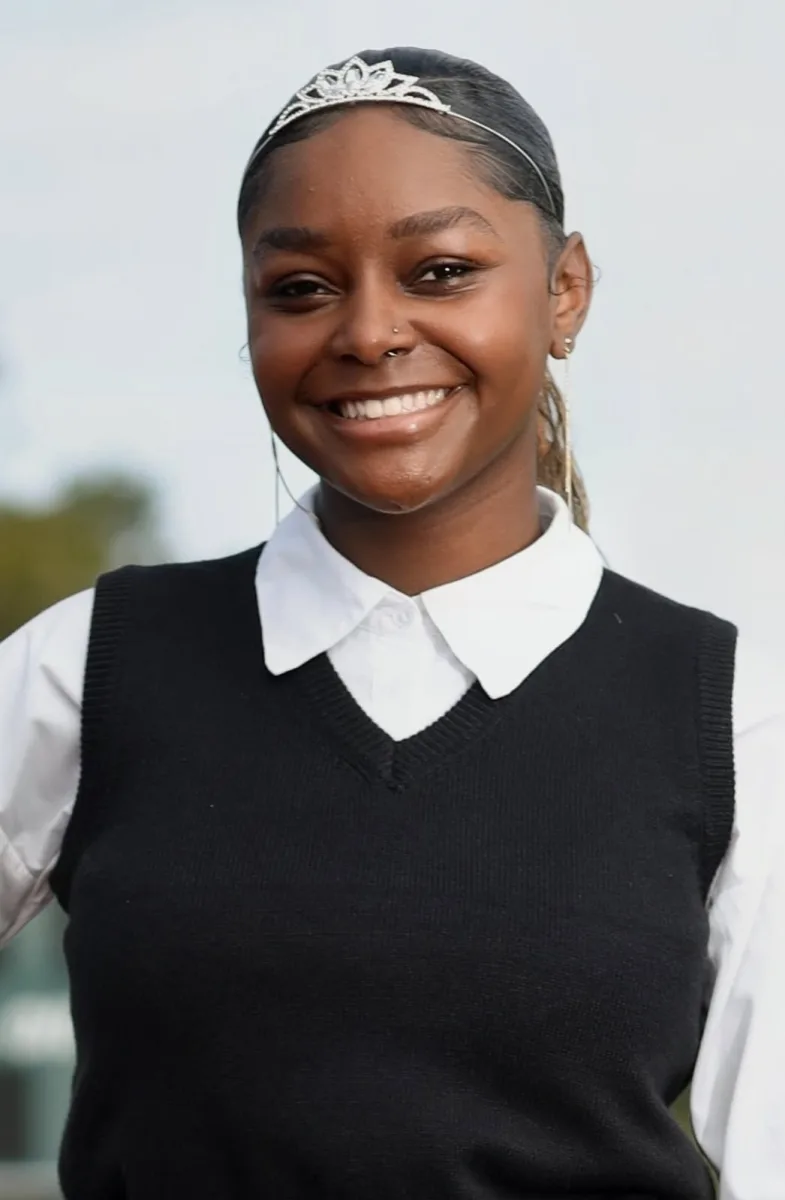
Nathalia Jackson
Wilmington, CA
The first thing driver education taught me is that driving is never only about the person behind the wheel. Every time someone starts a car, they are making a decision that can affect passengers, pedestrians, cyclists, other drivers, and families they may never meet. That is why driver education matters so much in reducing deaths caused by driving. It turns driving from a routine action into a responsibility.
I have not been in a serious car accident myself, but I do understand what it feels like when one violent moment changes a family forever. My father was taken by gun violence when I was five years old. Although that loss did not happen on the road, it shaped the way I think about preventable tragedy. A family can be living an ordinary day, and suddenly everything is different. That is what happens when someone speeds, drives distracted, drives under the influence, refuses to wear a seat belt, or treats traffic laws like suggestions. The person making the careless choice may think it is only a few seconds, one text, one drink, or one red light. For a family, it can become a lifetime of grief.
Driver education is important because it teaches new drivers before their habits become automatic. It explains the rules, but it also explains the consequences behind them. A stop sign is not just a sign. It is a way to protect someone crossing the street. A speed limit is not just a number. It is based on how much time a driver needs to react. A seat belt is not just something to avoid a ticket. It is one of the simplest ways to survive a crash. When driver education is done well, it helps students understand that safety is not about fear. It is about awareness, discipline, and care for other people.
Reducing driving-related deaths requires more than telling people to “be careful.” People need specific habits and systems that make safe choices easier. One major step is a stronger education on distracted driving. Phones should be out of reach while driving, not simply face down in a lap. Drivers should learn to set navigation, music, and messages before the car moves. Another step is making seat belt use automatic for everyone in the vehicle, including backseat passengers. A third step is teaching drivers to respect speed, especially in neighborhoods, school zones, bad weather, and nighttime conditions. Driving too fast is not only about breaking the law; it takes away the time needed to protect a life.
Another step is refusing impaired driving in every form. Alcohol and drugs are obvious dangers, but exhaustion and emotional distress can also affect judgment. As someone who has lived with Crohn’s Disease, I know that the body has limits. There are days when fatigue, pain, or stress can affect focus. That awareness has taught me that being responsible sometimes means choosing not to push through. A safe driver must be honest enough to say, “I am too tired,” “I am too upset,” or “I need someone else to drive.” That kind of decision is not a weakness. It is maturity.
I have seen how easily irresponsible driving can look normal. People joke about checking one message quickly, rushing because they are late, or assuming a short drive does not require the same attention as a long one. Those moments may seem small, but they reveal a dangerous mindset. The road does not care whether a driver meant to hurt anyone. Harm can happen even when the person only meant to save time or answer a notification. That is why safe driving has to become a personal standard, not something people follow only when police officers are nearby.
As a student leader, I learned that the choices one person makes can influence others. Serving as ASB President, Junior Class President, Cheer Captain, Relay for Life President, Baking Club President, and NHS Treasurer taught me that leadership is not only about titles. It is about setting the tone. If I want others to take safety seriously, I have to model it myself. That means wearing my seat belt every time, keeping my phone away, following speed limits, giving myself enough time so I am not rushing, and speaking up when I am a passenger and someone is driving carelessly.
I can also help others become safer by making safety conversations less embarrassing. Teenagers and young adults often avoid correcting friends because they do not want to seem dramatic. But I would rather feel awkward for a few seconds than stay silent and regret it later. I can say, “I’ll answer that text for you,” “Please slow down,” or “Let’s wait until you are not tired.” I can encourage friends to plan rides before events, use designated drivers, and respect the responsibility that comes with having passengers. Real friendship should include protecting each other.
My future goal is to become a Mental Health Nurse Practitioner after studying Physiological Science at UCLA. That goal also shapes the way I think about driving safety. In healthcare, I hope to help people heal after trauma, illness, and crisis. But safe driving is a way to prevent some crises before they ever happen. Every responsible driver reduces the chance that another family will need emergency care, grief support, or a community advocate standing beside them after a preventable loss.
Through Justice for Homicide Victims, I learned that behind every statistic is a person with a name, a family, and a story. The same is true for traffic deaths. Driver education matters because it reminds us that no drive is meaningless. Every trip is an opportunity to choose responsibility.
I want to be a safer driver by remembering that the road is shared. My choices behind the wheel should reflect the same values I try to live by in school, service, and advocacy: pay attention, protect others, and show up with care. Safe driving is not just about reaching a destination. It is about making sure everyone else has the chance to reach theirs, too.
Content Disclaimer:
Essays are contributed by users and represent their individual perspectives, not those of this website.