In The Drivers Seat: From Fear to Responsibility
2026 Driver Education Round 2
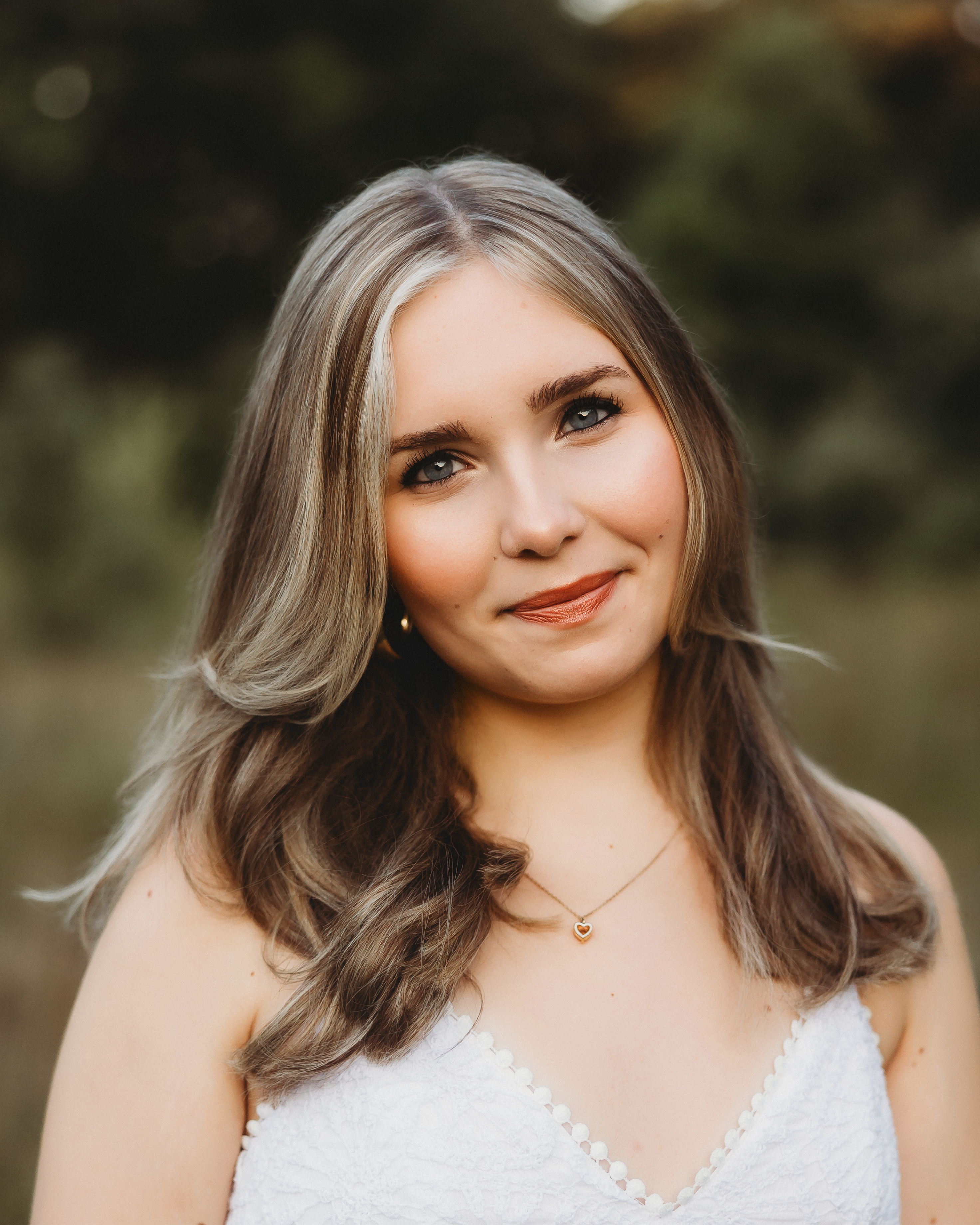
Cecilia Montgomery
North Dighton, MA
When I first started learning to drive, honestly, I was terrified. My mom practically had to beg me to get behind the wheel. I knew driving would give me independence, but at the time, I was much more aware of everything that could go wrong than of the freedom it would give me. And in a world full of Ubers and Lyfts, I didn't need my license (and let's face it, my mother has always been a great cab driver).
But now, almost a year after getting my license last December, I drive myself to school, work, theatre rehearsals, and even to visit my father, who lives in Gloucester, Massachusetts, which is a two-hour drive each way from my home in North Dighton, MA. I can handle highways and the confusing one-way streets and reduced lanes in Providence, Rhode Island (ugh – the Washington Bridge!). Sooooo, I am definitely proud of how far I have come, but I don't think becoming confident means forgetting what made me nervous in the first place. Driving is a serious responsibility, and that is why driver education matters.
Driver education does more than teach someone how to pass a road test. It gives new drivers a foundation for recognizing risks before they become emergencies. Learning from others, whether parents, driver's education instructors, or mentors, gives us invaluable lessons without having to experience those dangers ourselves. Learning the rules of the road is important, but so is understanding stopping distances, blind spots, right-of-way, changing weather, and how easily a moment of distraction can cause a crash.
It also teaches us to be defensive drivers, watching other vehicles and anticipating how other people might behave. Anticipating another driver's actions isn't something you automatically know how to do. It's something you learn through education and experience. A new driver needs time to make decisions in different situations, including unfamiliar roads, traffic, and highways, before driving alone. For me, that practice helped turn fear into caution and, eventually, confidence. I still pay attention to speed limits and try to leave myself enough time to react when other drivers do something unexpected.
I have never been in a car accident, and I hope I never am. But I do know how easily one can happen. Both my parents have been involved in minor accidents, and growing up, I heard about the very serious crash my uncle was involved in before I was born. Two vehicles were driving too close to the center line, resulting in a collision so severe that rescuers needed the Jaws of Life to free him. He suffered broken bones and a concussion, and my family was terrified he might not survive. Knowing how easily an accident can occur, even among experienced drivers, has made an impression on me. Neither driver needs to be doing something dramatic for the consequences to be devastating. A small mistake in where a vehicle is positioned can put lives at risk.
I also know what it feels like to be uncomfortable in a car because of the person driving. I've witnessed angry drivers become frustrated with other cars, speed up, and pass aggressively, especially on the highway. Even if the driver feels in control, that anger makes everyone else in the car anxious. When I was younger, I didn't always feel comfortable speaking up, but now that I have experience behind the wheel, I understand that a passenger's fear is worth listening to. Today, I would feel more comfortable asking a driver to slow down or drive more calmly. I also want anyone riding with me to feel comfortable telling me if my driving makes them feel unsafe.
I think two of the biggest dangers for young drivers are phones and speeding. A phone can make it seem as though looking away for a second is harmless, but traffic can change in that second. My parents have always emphasized that there is no reason to use my phone while driving, and I follow that rule. I can check a message after I park. No text message is as important as my life.
Speeding is another risk that can feel ordinary because so many people do it. But driving faster reduces the time available to notice a problem and respond. I would rather arrive a few minutes late than put myself or someone else in danger. In addition, speeding tickets can have lasting consequences for a new driver's record and insurance (although safety matters much more than the cost of a ticket).
Reducing driving deaths requires more than telling teenagers to be careful. Schools and driver education programs should teach distracted-driving prevention, the dangers of impaired driving, and ways to respond to aggressive drivers. They should also provide meaningful practice rather than treating getting your license as the finish line. Parents and experienced drivers have a role, too. Kids notice whether adults put their phones away, obey speed limits, and remain calm in traffic. Communities can help through clear road signs, safer intersections, and enforcement of traffic safety laws. None of these steps will prevent every crash, but together they can make driving safer for everyone.
One choice I take seriously is making sure nobody feels pressured to drive after drinking alcohol. I personally don't drink, and I make myself available as a designated driver when someone needs a safe ride. I would rather spend time picking someone up than have them take a chance on the road. I also share my location with my mom through Life360, and I know I can call her if I ever feel unsafe. To me, being responsible includes having a plan before a problem happens and helping other people make safe decisions without judging them for asking for help.
The biggest lesson I've learned in my first year of driving is that confidence and caution can exist at the same time. I no longer need my mom to persuade me to drive, but I still remember how much responsibility comes with holding a license. Driver education gives us the knowledge to start, and everyday choices determine how we use that knowledge.
I cannot control every driver on the road, but I can control whether I put my phone away, respect the speed limit, stay calm, speak up, and offer someone a safe ride. Those choices may seem small, but they can protect lives, including the lives of people I will never meet.
Content Disclaimer:
Essays are contributed by users and represent their individual perspectives, not those of this website.