In the Driver’s Seat: Promoting Safe Driving Through Education and Awareness
2026 Driver Education Round 2
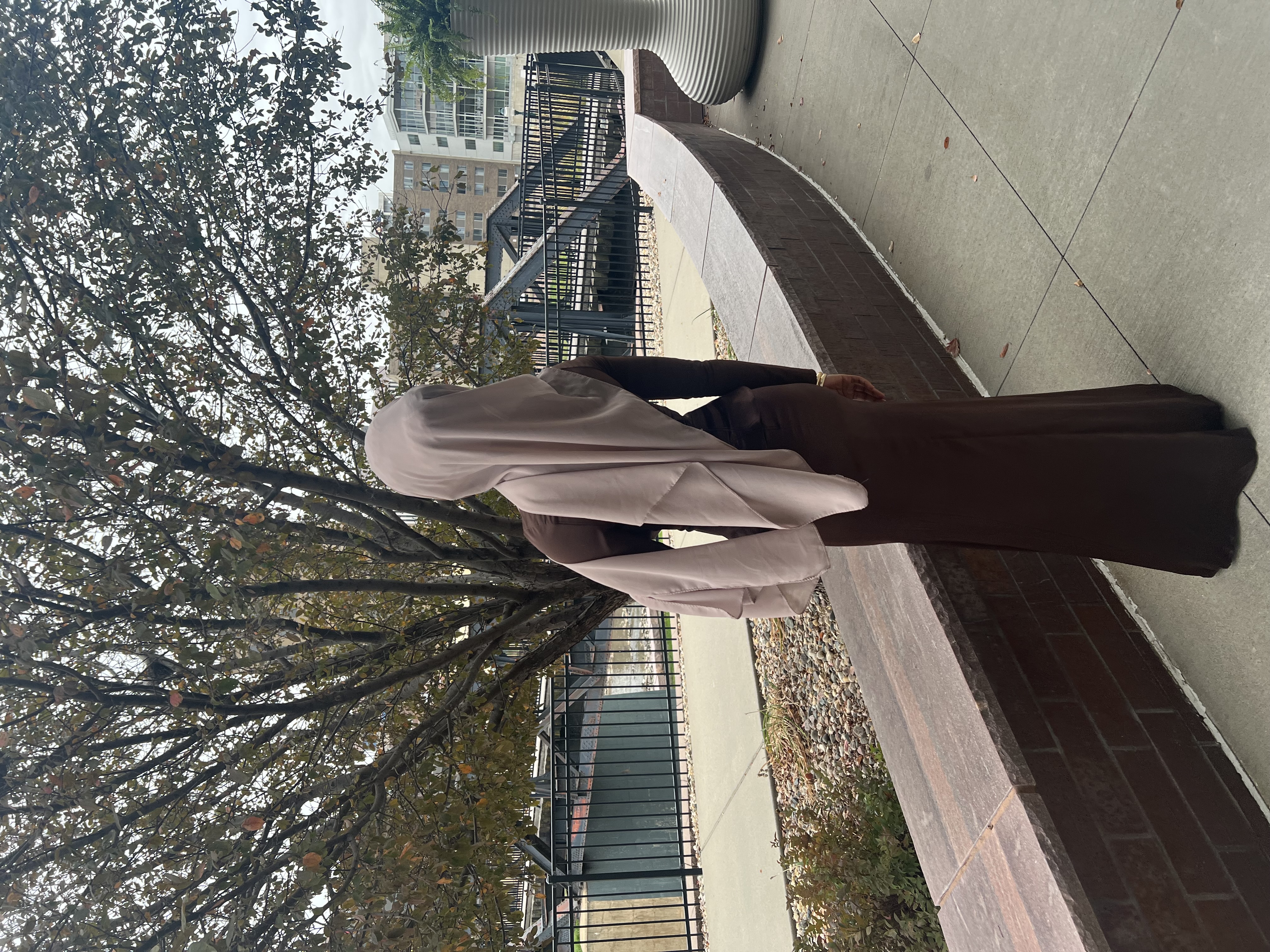
Theresa Shabani
Humble, Texas
Driving is a privilege that comes with great responsibility. Every time someone gets behind the wheel, they are responsible not only for their own safety but also for the safety of their passengers, pedestrians, and everyone else sharing the road. Unfortunately, many accidents happen because of distracted driving, speeding, reckless behavior, and a lack of knowledge about traffic laws. These dangers make driver education extremely important, especially for young and inexperienced drivers. The “In the Driver’s Seat” Driver Education Initiative Award recognizes the importance of educating drivers, encouraging responsible decisions, and creating safer communities. Through education, awareness, leadership, and positive examples, we can help prevent accidents and save lives.
One of the biggest reasons driver education is necessary is that driving requires more than simply knowing how to operate a vehicle. A person must understand traffic signs, road rules, defensive driving techniques, and how to react to unexpected situations. For example, a driver may encounter bad weather, heavy traffic, road construction, or another driver behaving irresponsibly. Without proper education and preparation, these situations can quickly become dangerous. Driver education teaches individuals how to remain calm, recognize potential hazards, and make safe decisions. Learning these skills before and during the early years of driving can make a significant difference in preventing accidents.
Distracted driving is another major issue that affects drivers of all ages. Cell phones, texting, social media, music, and conversations with passengers can take a driver’s attention away from the road. Even looking away for a few seconds can have serious consequences. A vehicle traveling at highway speed can cover a considerable distance in just a few seconds, leaving little time to react to a sudden obstacle. Through driver education initiatives, people can learn that no text message, phone call, or social media notification is worth risking a life. One important message I would promote is to put the phone away, keep both eyes on the road, and focus completely on driving. Making this simple decision can protect countless lives.
Speeding and reckless driving are also behaviors that need to be addressed through education. Some drivers believe that driving faster will help them reach their destination sooner, but speeding increases the risk of losing control of a vehicle and makes it more difficult to stop in an emergency. Reckless driving, tailgating, ignoring traffic signals, and changing lanes without checking blind spots can put everyone on the road in danger. Drivers must understand that arriving safely is more important than arriving quickly. A few extra minutes are never worth the possibility of causing a serious accident. Responsible drivers follow speed limits, maintain safe distances, use turn signals, and respect other people on the road.
Another important part of driver education is understanding the dangers of driving under the influence of alcohol or drugs. These substances can affect judgment, coordination, reaction time, and decision-making abilities. Even when someone believes they are capable of driving, their ability to operate a vehicle safely may be seriously impaired. This is why it is important to plan ahead and never drive under the influence. People should arrange for a designated driver, use a rideshare service, or ask someone they trust for transportation. Driver education should emphasize that making responsible choices can prevent tragedies and protect families and communities.
I believe that young people have an important role in promoting safer driving habits. Teenagers and young adults are often influenced by their friends, classmates, and social media. This creates an opportunity to spread positive messages about road safety. Students can encourage one another to wear seat belts, avoid distractions, follow traffic laws, and never get into a vehicle with an impaired driver. Schools can also organize presentations, safety campaigns, posters, and educational activities that explain the consequences of unsafe driving. When students hear these messages from people their own age, they may be more willing to listen and make positive changes.
If I were given the opportunity to participate in the “In the Driver’s Seat” initiative, I would use it to help educate others about the importance of safe driving. I would encourage students to understand that driving is not a competition or an opportunity to show off. It is a responsibility that requires patience, awareness, and self-control. I would help spread information about distracted driving, seat belt safety, speeding, and impaired driving. I would also encourage open conversations about real-life driving experiences and the ways unsafe decisions can affect individuals and entire families.
One idea I would support is creating a student-led safe driving campaign. This campaign could include school announcements, informational posters, social media messages, and presentations during student events. Each week could focus on a different driving safety topic. For example, one week could focus on seat belt use, another on distracted driving, and another on the importance of following speed limits. Students could also create short videos showing examples of safe and unsafe driving behaviors. These activities would make driver education more engaging and help students remember important safety lessons.
I would also emphasize that safe driving begins before a person starts the engine. Drivers should check their mirrors, adjust their seats, fasten their seat belts, and make sure their vehicles are in proper working condition. They should avoid driving when they are tired, emotionally overwhelmed, or otherwise unable to concentrate. Passengers also have a responsibility to support safe driving by avoiding unnecessary distractions and speaking up when a driver makes dangerous decisions. Everyone in a vehicle can contribute to creating a safer environment.
The most important lesson I have learned about driving is that one careless decision can change someone’s life forever. A driver may think that checking a text message, speeding through a yellow light, or failing to wear a seat belt is harmless. However, these decisions can lead to injuries, permanent disabilities, or even death. Behind every accident are real people, families, and communities that may experience lasting pain. Understanding these consequences should motivate every driver to take road safety seriously.
Receiving the “In the Driver’s Seat” Driver Education Initiative Award would represent an opportunity to make a positive difference. I would view the award as more than recognition; I would see it as a responsibility to continue encouraging safe driving practices and educating others. I want to help create a community where people look out for one another and understand that road safety is everyone’s responsibility. Even small actions, such as reminding a friend to buckle up or encouraging someone to put their phone away, can make a meaningful difference.
In conclusion, driver education is one of the most effective ways to encourage responsible driving and reduce preventable accidents. By teaching people about distracted driving, speeding, impaired driving, seat belt safety, and defensive driving, we can help create safer roads for everyone. The “In the Driver’s Seat” initiative represents the importance of taking responsibility, making informed decisions, and setting positive examples. My goal is to help spread awareness, encourage young drivers to make better choices, and remind others that every decision behind the wheel matters. Being in the driver’s seat means being in control of more than just a vehicle; it means taking responsibility for the lives and safety of everyone on the road.
Content Disclaimer:
Essays are contributed by users and represent their individual perspectives, not those of this website.