In the Driver’s Seat: Safety Starts Before the Car Moves
2026 Driver Education Round 1
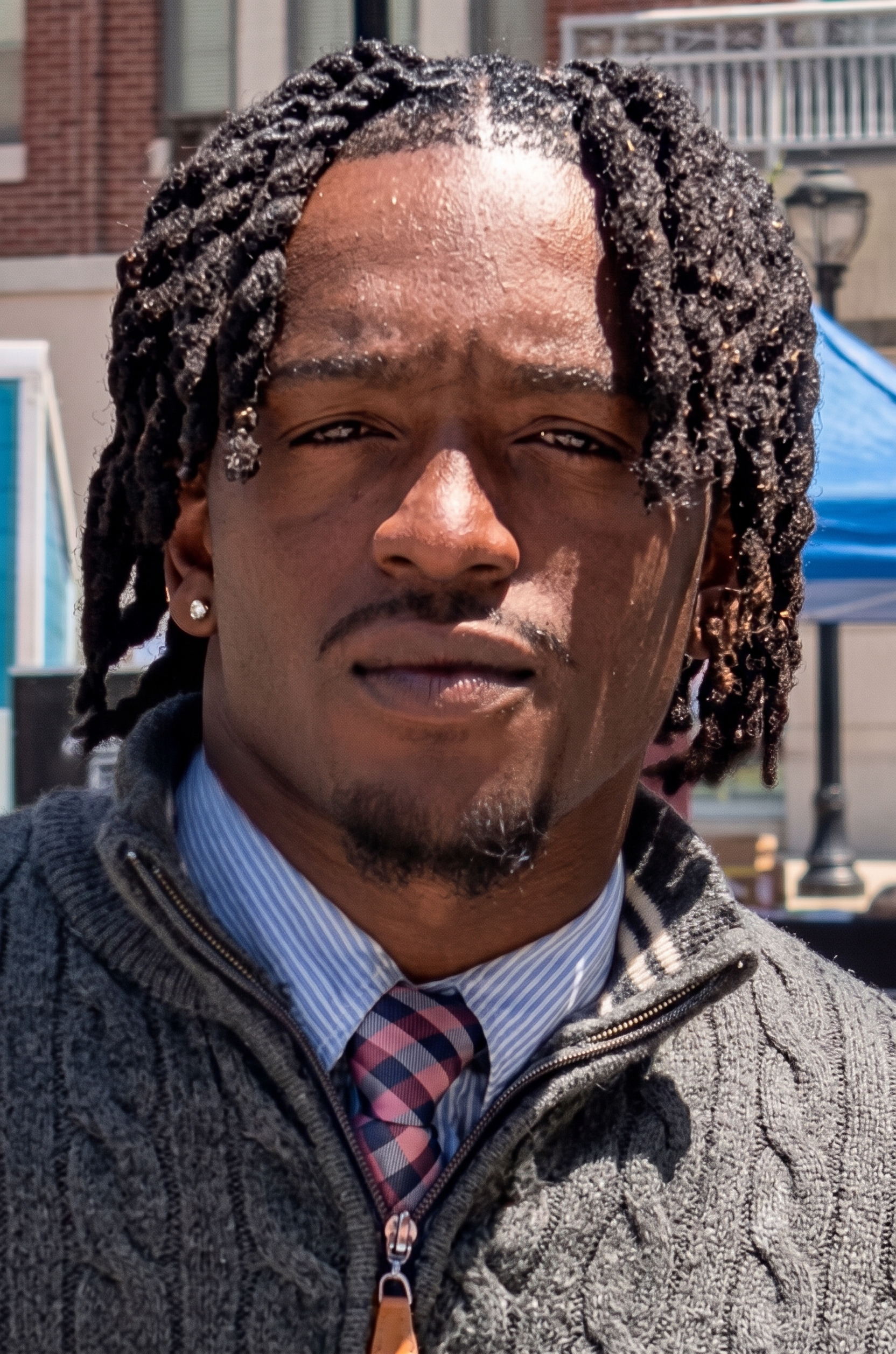
Anias Jaiden Blackman
Atlanta, Georgia
In the Driver's Seat: Safety Starts Before the Car Moves
Anias Jaiden Blackman
Morehouse College
Driving is one of the most normal parts of everyday life, but it is also one of the biggest responsibilities a person can take on. A driver is controlling thousands of pounds of metal while sharing the road with families, workers, students, cyclists, and pedestrians. That is why driver education matters. It does more than help someone pass a test. It teaches people how to recognize risk, make good decisions, and understand that one careless choice can affect many lives.
Driver education can reduce traffic deaths by giving new drivers a strong foundation before bad habits develop. A person may know how to steer, park, and press the brakes, but safe driving requires much more than operating a vehicle. Drivers need to understand following distance, blind spots, weather conditions, right-of-way rules, emergency braking, and how speed changes stopping distance. They also need to understand how distractions, fatigue, alcohol, drugs, and strong emotions affect reaction time. When this information is taught clearly and practiced repeatedly, drivers are more prepared to respond calmly instead of panicking.
Education is especially important because confidence can become dangerous when it is not supported by knowledge. A new driver may feel comfortable after a few months and start believing that checking a text, speeding a little, or following closely is harmless. The problem is that crashes often happen in the few seconds when a driver assumes nothing will go wrong. Good driver education teaches that safe driving is not based on luck. It is based on creating enough time and space to react when another driver makes a mistake.
There are several steps that can reduce driving-related deaths. The first is stronger and more practical driver training. Students should spend time practicing at night, in rain, on highways, and in heavy traffic with a qualified instructor. They should also learn how to handle tire blowouts, hydroplaning, brake failure, and other emergencies. A written test is important, but real practice is what prepares someone for situations that cannot be predicted.
The second step is reducing distracted driving. Phones should be placed on Do Not Disturb or stored where the driver cannot reach them. Directions, music, and climate controls should be set before the vehicle starts moving. Passengers also have a responsibility not to pressure the driver to look at a screen or drive recklessly. A message can wait. A life cannot be replaced.
The third step is better vehicle maintenance. Working at Discount Tire has strengthened my understanding that road safety begins before a driver leaves the parking lot. Tire pressure, tread depth, wheel torque, brakes, lights, and windshield visibility all affect whether a driver can stop and stay in control. A careful driver can still be placed in danger by worn tires during rain or by a mechanical issue that should have been corrected earlier. Routine inspections should be treated as a safety habit, not only as a way to avoid repair costs.
Technology can also help reduce deaths. Automatic emergency braking, blind-spot monitoring, lane-departure warnings, and systems that detect driver fatigue can prevent mistakes from becoming fatal. I am interested in mechanical engineering, artificial intelligence, and automotive technology because I want to contribute to safer and smarter vehicles. However, technology should support responsible driving, not replace it. A driver should never assume that a sensor or computer will fix every mistake. The safest vehicle is still one operated by an alert, educated, and responsible person.
One of the most common forms of irresponsible driving I see is people allowing their phones, impatience, or emotions to control how they drive. A person may look down at a notification, speed through a yellow light, follow another vehicle too closely, or change lanes without signaling. These choices may seem small in the moment, but they reduce the time available to avoid a crash. I have learned that being a good driver sometimes means refusing to match the behavior of the people around you. If another driver is speeding, I do not have to compete with them. If someone is following too closely, I can create space and let them pass. Protecting my life and the lives of others matters more than proving a point.
To become a safer driver, I can start with my own routine. Before moving, I can check my mirrors, seat position, seat belt, surroundings, and phone settings. While driving, I can maintain a safe following distance, scan several cars ahead, signal early, and adjust my speed for traffic and weather. I can avoid driving when exhausted or emotionally distracted. I can also keep my vehicle maintained and take warning lights or unusual sounds seriously instead of hoping they disappear.
I can help other people become safer by leading through example. Friends and family notice whether a driver wears a seat belt, puts the phone away, and stays calm in traffic. I can speak up respectfully when someone is driving dangerously and offer to handle directions or messages so the driver can focus. I can also share what I learn about tires, maintenance, and newer safety technology. People are more likely to change when safety is explained in a practical way instead of only through fear.
As an athlete, I understand that discipline is built through repetition. The same idea applies to driving. Safe habits have to be practiced every trip, not only when police are nearby or when the weather is bad. Wearing a seat belt, checking mirrors, maintaining distance, and ignoring the phone must become automatic. The goal is not simply to avoid a ticket. The goal is to arrive without putting anyone else at risk.
Every driver has the power to make the road safer or more dangerous. Driver education gives people the knowledge, but each person must choose to use it. I want to be the type of driver who understands that getting somewhere quickly is never more important than getting there safely. Every time I sit in the driver's seat, I am responsible not only for myself, but also for every person sharing the road with me.
Content Disclaimer:
Essays are contributed by users and represent their individual perspectives, not those of this website.