In the Driver’s Seat: The Responsibility That Comes With Driving
2026 Driver Education Round 2
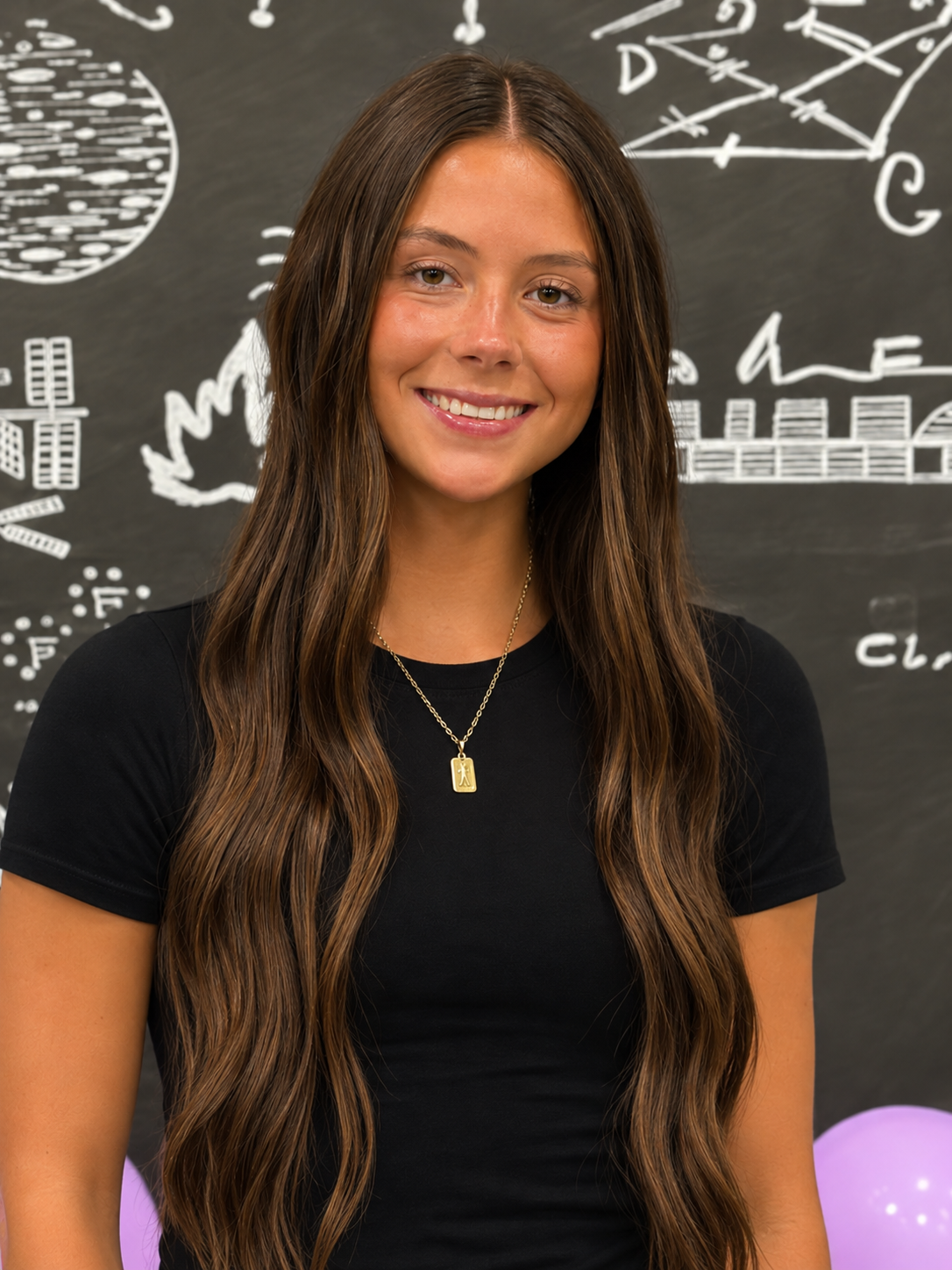
Sydney Stout
Racine, Ohio
Getting behind the wheel of a car is something many people do every day without giving it much thought. It becomes part of our routine. We drive to school, work, practice, and to spend time with friends and family. Sometimes, because driving is such a normal part of our lives, we forget how much responsibility comes with it. A vehicle is not just a way to get from one place to another. It is something that can change someone's life in a matter of seconds. Being a safe and educated driver means understanding that every decision made behind the wheel matters, not only for ourselves but for everyone around us.
I consider myself a cautious driver, and I try to make safety a priority every time I get in my car. I always wear my seat belt, no matter how short the drive may be. I also use hands-free technology when I need to make or answer a phone call. I understand that taking my eyes off the road, even for a few seconds, can have serious consequences. It can be tempting to glance at a notification, change a song, or respond to someone, but none of those things are more important than getting safely to my destination. I believe being a responsible driver starts with making good choices before a dangerous situation ever has the chance to happen.
Although I have never personally been involved in a serious car accident, I have witnessed several minor accidents. Even when there are no major injuries, seeing the aftermath of a crash makes you realize how quickly an ordinary drive can turn into a stressful and potentially dangerous situation. It reminds me that accidents do not always happen because someone is driving recklessly at extremely high speeds. Sometimes they happen because someone is distracted, following too closely, not paying attention, or simply making a decision without thinking about the consequences. Those experiences have made me more aware of my surroundings and more conscious of the responsibility I have when I am driving.
One of the biggest influences on how I view road safety is my stepfather, who works for the Ohio Department of Transportation (ODOT). Because of his job, I have a greater appreciation for the men and women who work along our roadways every day. Most drivers see road construction as an inconvenience. They may become frustrated by traffic delays, reduced speed limits, lane closures, or having to take a different route. However, I have learned to look at those situations differently. Those workers are someone's spouse, father, mother, son, or daughter. They are people who leave their homes each day to do a job that helps keep our roads safe and functioning.
Knowing someone who works in transportation makes the dangers of driving through work zones especially personal to me. According to the Ohio Department of Transportation, in 2021 there were 4,796 crashes in Ohio work zones. Those crashes resulted in 1,759 injuries and 29 deaths. Even more concerning, ODOT workers, vehicles, and equipment were struck 154 times that same year. These numbers represent more than statistics. Behind every number is a real person and a family who may be affected forever. When I think about my stepfather working around moving traffic, I realize that the decisions other drivers make can directly affect whether someone like him gets home safely at the end of the day.
This is one reason I believe it is so important for drivers to understand and follow Ohio's Move Over Law. When approaching a stationary vehicle with flashing lights, drivers are required to move over when it is safe to do so, or slow down if they cannot safely change lanes. This law is not simply another traffic rule. It exists to protect people who are working or stopped along the road. Whether it is an ODOT employee, a police officer, an emergency responder, or a tow truck operator, those individuals deserve the space and protection they need to do their jobs safely. I make a conscious effort to slow down, pay attention to signs, and give roadside workers as much room as possible.
I also believe that being an educated driver means understanding that safe driving involves much more than knowing how to operate a vehicle. It means recognizing potential hazards, understanding traffic laws, being aware of changing road conditions, and knowing how to respond when something unexpected happens. Weather, construction, other drivers, pedestrians, and animals can all create situations that require quick thinking. A responsible driver does not assume that everyone else will make the right decision. Instead, they stay alert, maintain a safe following distance, and remain prepared to react.
As a young driver, I know I still have a lot to learn. I do not believe anyone becomes such an experienced driver that they no longer need to be careful. In fact, I think one of the biggest dangers is becoming too comfortable behind the wheel. When driving becomes routine, it can be easy to become distracted or careless. I want to continue developing good habits and never reach a point where I take driving for granted.
Ultimately, being in the driver's seat means accepting responsibility for more than just yourself. It means understanding that the people in other vehicles, the pedestrians crossing the street, and the workers standing alongside the highway all deserve to make it home safely. My stepfather's work with ODOT has helped me see the human side of road safety, and witnessing accidents has reminded me how quickly things can go wrong. I may not have a dramatic personal accident story, but I have learned an important lesson: it only takes one careless decision to change someone's life.
I cannot control every driver on the road, but I can control my own choices. I can buckle my seat belt, keep my phone from becoming a distraction, obey speed limits, follow traffic laws, and give roadside workers the respect and space they deserve. I believe the best drivers are not necessarily the ones who get to their destinations the fastest, but the ones who make sure they and everyone around them get there safely. When I get behind the wheel, that is the responsibility I want to carry with me every single time.
Content Disclaimer:
Essays are contributed by users and represent their individual perspectives, not those of this website.