Safe and Educated Drivers can Make Roads Safer for Everyone
2026 Driver Education Round 2
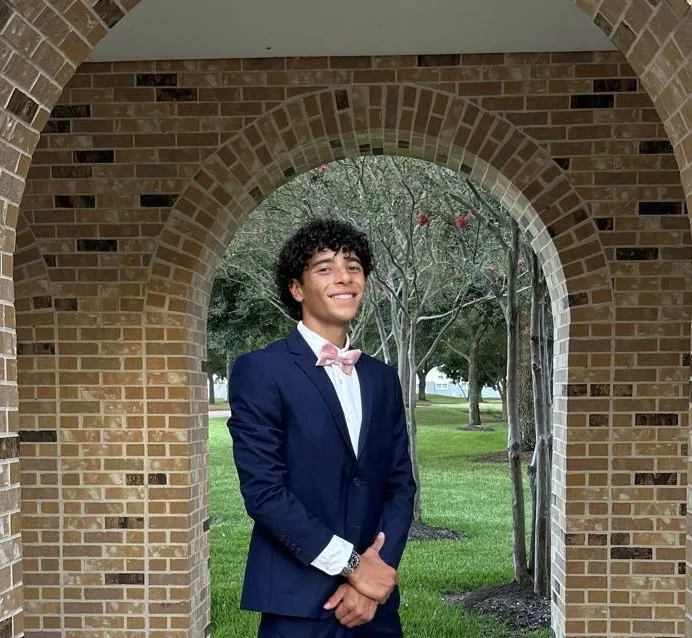
Oliver Waldron
Littleton, CO
The essay contest “In The Driver’s Seat” seeks to have applicants highlight the importance of being a safe and educated driver”
By: Oliver N Waldron
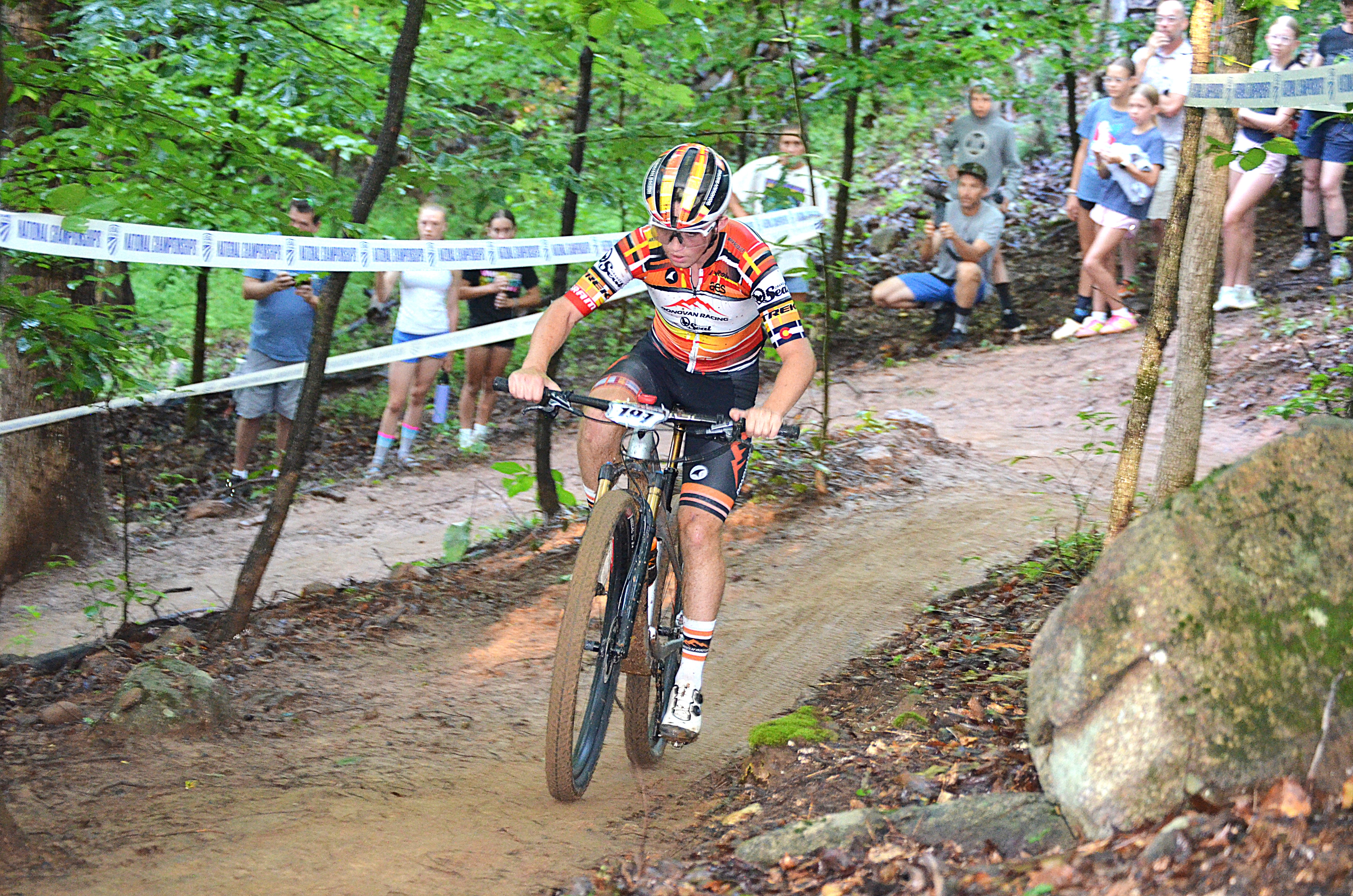
I have ridden and raced bicycles on roads, cyclocross courses, and mountain bike trails around the United States and world since I was eight. As I got older and began training more on the road, I learned firsthand that cyclists and pedestrians need safer roads. In Colorado and across the country, too many cyclists have been killed by reckless drivers. According to TRIP – A National Transportation Research Project, in their paper titled “Addressing America’s Traffic Safety Crisis: Examining the Causes of Increasing U.S Traffic Fatalities and Identifying Solutions to Improve Traffic Safety” - the number of bicyclists killed increased 29 percent (from 891 to 1,148) from 2020 to 2025. We must improve our approach to having people understand how important and urgent it is to be a safe and educated driver.
On a public road, the greatest danger is outside of my control. A driver looking at a phone, passing too closely to me, blowing diesel smoke in my face when passing me, or driving while tired or impaired can turn my normal training ride into a potentially deadly one. Laws and education have improved over the years, but the death of 17 year old Magnus White in Boulder, Colorado—someone I admired while racing in Colorado, shows that we need to do more to help make drivers safe and educated.
Older traffic laws focused mainly on motor vehicles and treated bicycle safety as the cyclist’s responsibility. I was always told to wear a helmet, obey signals, use lights, ride single file, and stay to the right. All of that helps, but drivers also need clear responsibilities and education that helps them drive safer. Too often, cyclists are treated as if we do not have the same right to the road, placing most of the burden on the person with the least protection.
Colorado has made some progress on road safety and making my daily training rides safer. Drivers must leave at least three feet when passing a cyclist, and vulnerable-road-user protections adopted in 2019 created stronger consequences when careless driving seriously injures someone. The 2022 Safety Stop law allows cyclists age fifteen and older to treat stop signs as yield signs and red lights as stop signs in certain situations, reducing time spent in dangerous intersections. Even these laws and every safety step a cyclist takes were not enough to save Magnus.
In 2026, Colorado enacted Magnus’ Law, requiring officers to offer a voluntary breath test to drivers involved in crashes causing death or serious injury. Evidence of alcohol or drug use can disappear quickly, yet the driver who killed Magnus was not tested at the scene. Colorado has also prohibited parking in marked bike lanes and strengthened school-route protections. These steps improve accountability, but more protection and driver education is still needed to make our roads safer.
Magnus was a few years older than me, and I looked up to him as the kind of athlete I wanted to be. He was killed by a driver from behind on a training ride on Highway 119 in Boulder as he prepared for the 2023 Mountain Bike World Championships. Every cyclist who trains on Colorado roads can imagine preparing for a major race, only to have a driver’s decision erase your future and goals in seconds.
The White Line Foundation, founded after Magnus’s death, is important because his family and supporters are turning grief into action. The organization honors Magnus by advocating for safer streets, stronger crash investigations, better data, public education, and real accountability when drivers kill cyclists or pedestrians. It also gives families and survivors a voice so these deaths are not dismissed as unavoidable “accidents.”
To help make our roads safer and provide a better approach to helping drivers be safer, my proposed suggestions revolve around three main areas – education and training, penalties, and accountability:
Education and Training
I would like to see efforts taken to have driver-education courses reinforce safe behavior around cyclists. Bicycle-awareness questions should appear on permit and license-renewal tests. Courses should teach the three-foot passing rule with realistic examples and explain when cyclists may legally take the lane. I’d also suggest that public campaigns address distraction, impairment, fatigue, speeding, and opening car doors into a rider’s path. Lastly, police need consistent training in bicycle law and crash investigation. If these actions were taken around driver education and training, our roads would become safer and less lives would be taken every year.
Penalties
Penalties for killing a cyclist or pedestrian on the road must reflect the value of the life taken. The driver who killed Magnus was convicted of reckless vehicular homicide and received a four-year prison sentence. No sentence can bring Magnus back, but reckless or severely negligent driving that kills a cyclist should bring serious and consistent punishment. A fatal crash should not be viewed as less serious simply because the weapon was a vehicle. Colorado should create stronger sentencing ranges when vehicular homicide involves recklessness, impairment, extreme fatigue, distracted driving, or leaving the roadway. Decisions about early release should also consider the permanent harm to victims’ families.
Accountability
Accountability should go with prevention. Courts should be able to impose long license suspensions, driver retraining, community service with road-safety groups, and victim-impact education. States should also publish data on serious injuries, charges, sentences, and license consequences. If drivers do not know the laws, officers do not enforce them, or penalties do not match the harm, those laws become promises without protection.
Much more needs to be done to make our roads safer. No one deserves to be out enjoying their favorite sport or activity and be killed by a careless driver. Improving our approach to driver education, combined with implementing appropriate driver penalties, will help make safer drivers and safer roads. A comprehensive approach to making roads safer and educating drivers will help protect cyclists like me, children riding to school, workers commuting on bicycles, families enjoying weekend rides, and any pedestrian on the road.
Content Disclaimer:
Essays are contributed by users and represent their individual perspectives, not those of this website.