The Dangers of Overconfidence in Driving
2026 Driver Education Round 2
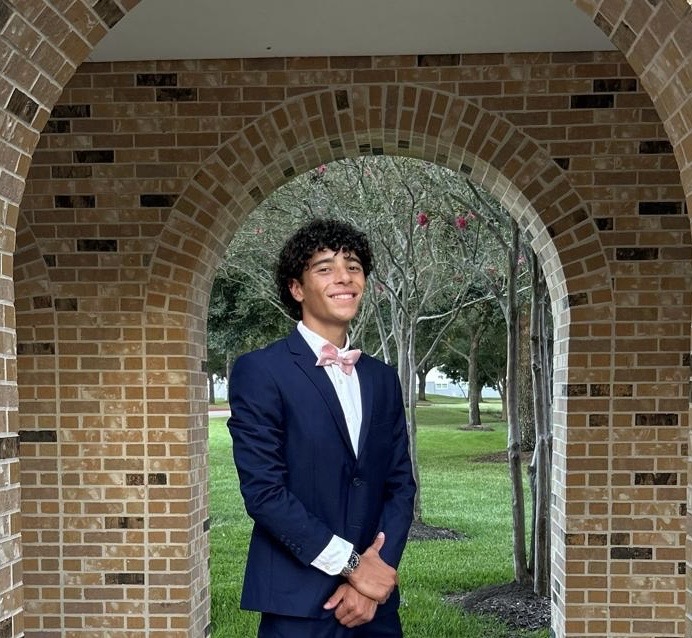
Daniel Gimenez Gallardo
Fulshear, TX
Many people believe they are better drivers than everyone else on the road. They trust their reflexes, believe they can handle any situation, and assume that their experience makes them less likely to get into an accident. This mindset often leads to risky decisions, such as speeding, cutting between lanes, or passing other vehicles without taking the proper precautions. The problem is that driving is not just about how well someone can control their own vehicle; it also requires awareness of everyone around them. Even the most experienced drivers cannot predict every situation or control the actions of others. When confidence turns into overconfidence, drivers begin to underestimate the risks of their decisions, putting themselves and others in danger. Ultimately, safe driving requires more than skill behind the wheel. It requires patience, awareness, and the understanding that no driver is immune to making mistakes.
One of the biggest dangers of overconfidence is that it causes drivers to believe they can handle situations that are actually beyond their control. Someone who considers themselves a skilled driver might think speeding is acceptable because they trust their ability to react quickly. Others may weave through traffic or make sudden lane changes because they believe their driving skills are enough to prevent an accident. However, no amount of confidence can eliminate the unpredictable nature of the road. A vehicle can suddenly change lanes, traffic can come to a stop, or a driver can overlook something in their surroundings. These situations can happen in seconds, leaving little time to react. Overconfident drivers often focus on what they believe they can do rather than what could go wrong. By underestimating these possibilities, they turn ordinary driving situations into unnecessary risks.
Another problem with overconfidence is that it can make drivers less aware of the people around them. When someone believes they are more capable than other drivers, they may become impatient with slower vehicles or assume that everyone else will respond to their actions. For example, a driver might pass another vehicle without considering that the other person could change lanes at the same time. Even if the passing driver follows the rules, the situation can still become dangerous because not everyone on the road is paying equal attention. Drivers must recognize that they share the road with people who have different levels of experience, judgment, and awareness. Assuming that others will always make the right decision is just as dangerous as assuming that you will never make a mistake yourself.
I experienced this firsthand when I was driving behind a woman who was traveling approximately ten miles per hour below the speed limit. Since she was driving significantly slower than the surrounding traffic, I decided to pass her. As I began moving past her vehicle, she failed to check her blind spot and moved into my lane, forcing me off the road. What seemed like a simple decision to pass a slower driver suddenly became a near accident. Fortunately, I was able to avoid a collision, but the situation made me reconsider how I approached driving. At the time, I was focused on getting around the slower vehicle rather than considering the possibility that the driver might not notice me. I assumed that the maneuver would go as expected, but I failed to fully account for the actions of someone else.
Looking back, I realized that I could have been more attentive to the woman's movements and more prepared for an unexpected lane change. If I had been more aware of the potential danger, I might have noticed her movement sooner and honked to warn her before she entered my lane. Although the other driver's failure to check her blind spot created the immediate danger, my experience taught me that I also had a responsibility to anticipate potential hazards. I had placed too much confidence in the assumption that the passing maneuver would be safe. This experience helped me understand that defensive driving is not simply about reacting when something goes wrong; it is about recognizing what could go wrong before it happens. A driver cannot control another person's decisions, but they can remain alert enough to respond when those decisions create danger.
This is why defensive driving is so important. Rather than assuming that everything will go according to plan, defensive drivers prepare for unexpected situations. They check their mirrors and blind spots, maintain safe following distances, signal before changing lanes, and pay attention to the behavior of nearby vehicles. Before passing another car, they consider whether the maneuver is necessary, legal, and safe. They also understand that if a situation seems uncertain, waiting is often the better decision. These habits may seem simple, but they can make the difference between avoiding an accident and becoming involved in one. Defensive driving does not mean lacking confidence. Instead, it means having enough judgment to recognize that confidence alone is not enough to guarantee safety.
Patience also plays an important role in preventing dangerous driving behaviors. Many drivers become frustrated when someone travels below the speed limit, especially when they are in a hurry. This frustration can lead them to speed, follow too closely, or attempt an unsafe pass. However, saving a few seconds is never worth risking an accident. Slower drivers may be distracted, unfamiliar with the road, or simply traveling at a pace they consider appropriate. Regardless of the reason, other drivers must remain calm and make responsible decisions. The road is not a competition, and driving faster than everyone else does not make someone a better driver. In fact, the ability to remain patient under frustrating circumstances demonstrates greater judgment than the willingness to take unnecessary risks.
Ultimately, overconfidence behind the wheel can affect anyone, regardless of their age or experience. The belief that accidents happen only to careless or inexperienced drivers creates a false sense of security that can prevent people from recognizing their own mistakes. My experience with the woman who moved into my lane showed me how quickly a routine driving situation can become dangerous and how important it is to remain aware of the actions of others. Although drivers cannot control every situation, they can control how carefully they approach each decision. By practicing defensive driving, remaining patient, and acknowledging the possibility of mistakes, drivers can make the road safer for everyone. The best drivers are not necessarily those who believe they have the greatest skills, but those who understand their limitations and never allow confidence to replace caution. On the road, being alert is far more valuable than believing you are invincible.
Content Disclaimer:
Essays are contributed by users and represent their individual perspectives, not those of this website.