What the raccoon taught me, In a second things can change
2026 Driver Education Round 2
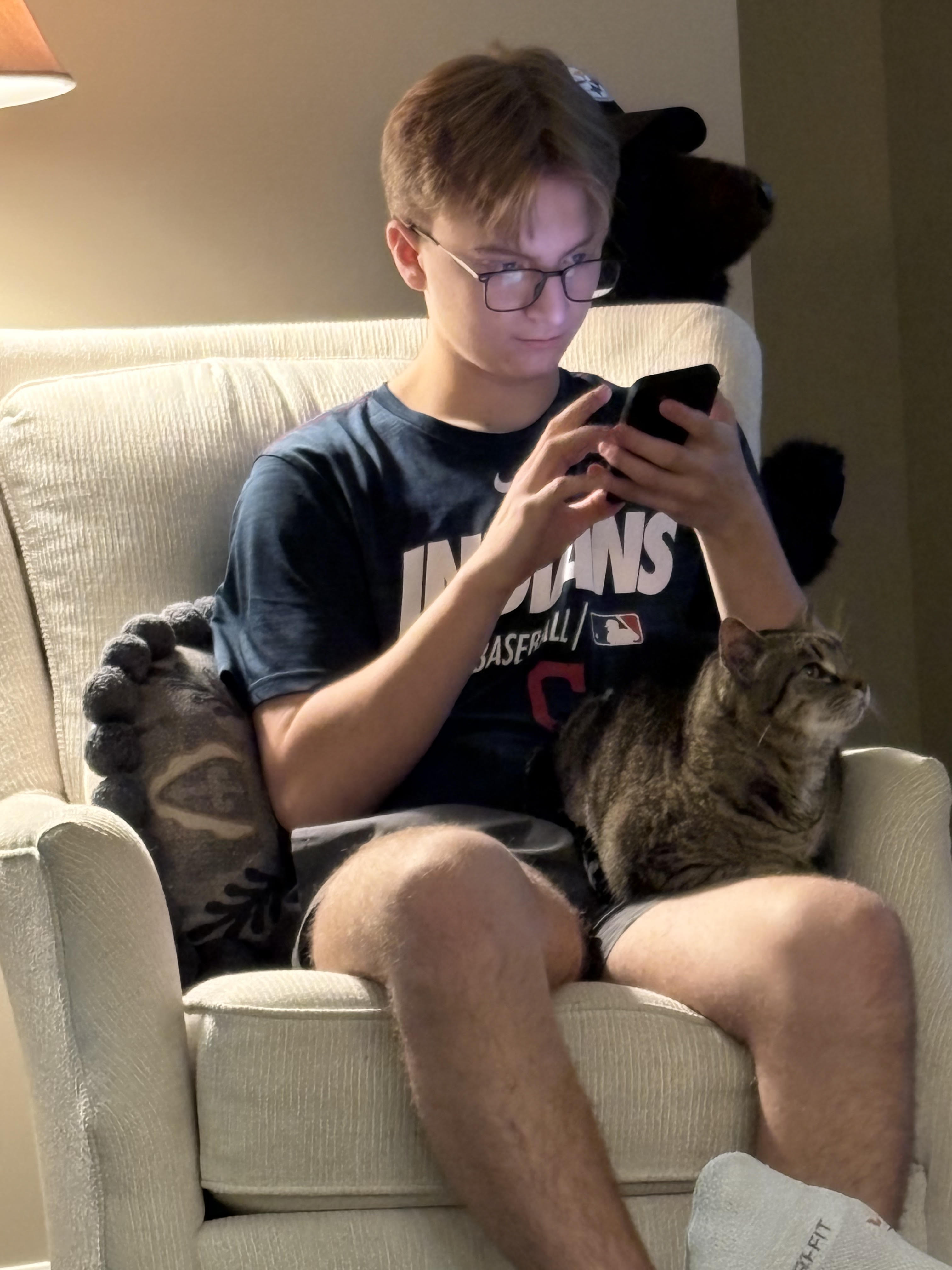
Keegan Daugherty
AKRON, Ohio
had just pulled out of my high school parking lot and was driving home. It was a normal afternoon, and I wasn’t speeding, texting, or doing anything I wasn’t supposed to be doing. Then a raccoon suddenly ran across the road in front of me. I reacted, and within seconds, my car was off the road and in a culvert.
I remember sitting there trying to understand what had just happened. A stranger came over and asked, “Are you all right, son?” Thankfully, I was. My car wasn’t. It was only about two months old, and it was totaled. Later, we learned from the police report that the raccoon had rabies. Of all the things I thought might cause my first serious accident, a rabid raccoon definitely wasn’t on the list.
But the raccoon isn’t really what I remember most about that accident. What I remember is how quickly everything changed. One second.
Before the accident, I probably thought about driver safety the way a lot of teenagers do. Don’t text and drive. Don’t drink and drive. Wear your seat belt. Don’t speed. Those things are obviously important, but my accident taught me something else. You can be paying attention and still have something happen that you never expected. When it does, you may have only a second to make a decision.
That is why I think driver education is so important. Learning to drive can’t just be about passing a test and proving that you know the traffic laws. New drivers need to understand what can happen when conditions suddenly change and how to respond. We need experience with defensive driving, following distances, speed, weather, animals entering the road, other drivers making bad decisions, and situations where there may not be a perfect choice. Knowing the rules matters, but knowing how to react when something unexpected happens matters too. Driver education should give new drivers a chance to think through those situations before they have to face one alone on the road.
My accident also made me understand why distractions are so dangerous. I wasn’t looking at my phone when the raccoon ran into the road. But what if I had been? What if I had looked down for that one second? I might never have seen it at all. I might have hit something other than a culvert, or someone else could have been involved. That thought stayed with me.
We talk a lot about reducing deaths caused by young drivers, and sometimes the message sounds like teenagers are simply irresponsible. Some are, but I don’t think lectures alone change behavior. Driver education should show young drivers how quickly ordinary situations can become dangerous. Real examples make the risks harder to ignore. Hearing what can happen is one thing. Sitting in a totaled car and realizing how quickly you got there makes the lesson much more real.
I also think we have a responsibility after we receive our licenses. Passing the driving test doesn’t mean we are finished learning. I can become a safer driver by keeping my phone out of reach, watching my speed, leaving more room between vehicles, paying attention to road and weather conditions, and not allowing passengers or anything else in the car to take my attention away from driving. Most importantly, I can remember that I don’t control everything that happens on the road.
I can also influence the people around me without giving my friends a speech about safe driving. I can wear my seat belt, put my phone away, refuse to ride with someone who is driving dangerously, and speak up when something isn’t safe. Sometimes an example probably has more impact than another lecture.
I wish my lesson hadn’t involved totaling a nearly new car and landing in a culvert. At the time, I was upset about the car. Looking back, though, the most important part of that accident is that I walked away from it. Cars can be replaced. People can’t.
I still drive the same roads and know that another animal could run in front of me tomorrow. Another driver could cross the center line, or a car ahead of me could stop suddenly. I can’t predict any of those things. What I can control is whether I’m paying attention when they happen.
I learned that the distance between an ordinary drive home and an accident can be one second. My job as a driver is to be as educated, aware, and prepared for that second as I possibly can.
Content Disclaimer:
Essays are contributed by users and represent their individual perspectives, not those of this website.