In the Driver's Seat: Why Driver Education Saves Lives
2026 Driver Education Round 1
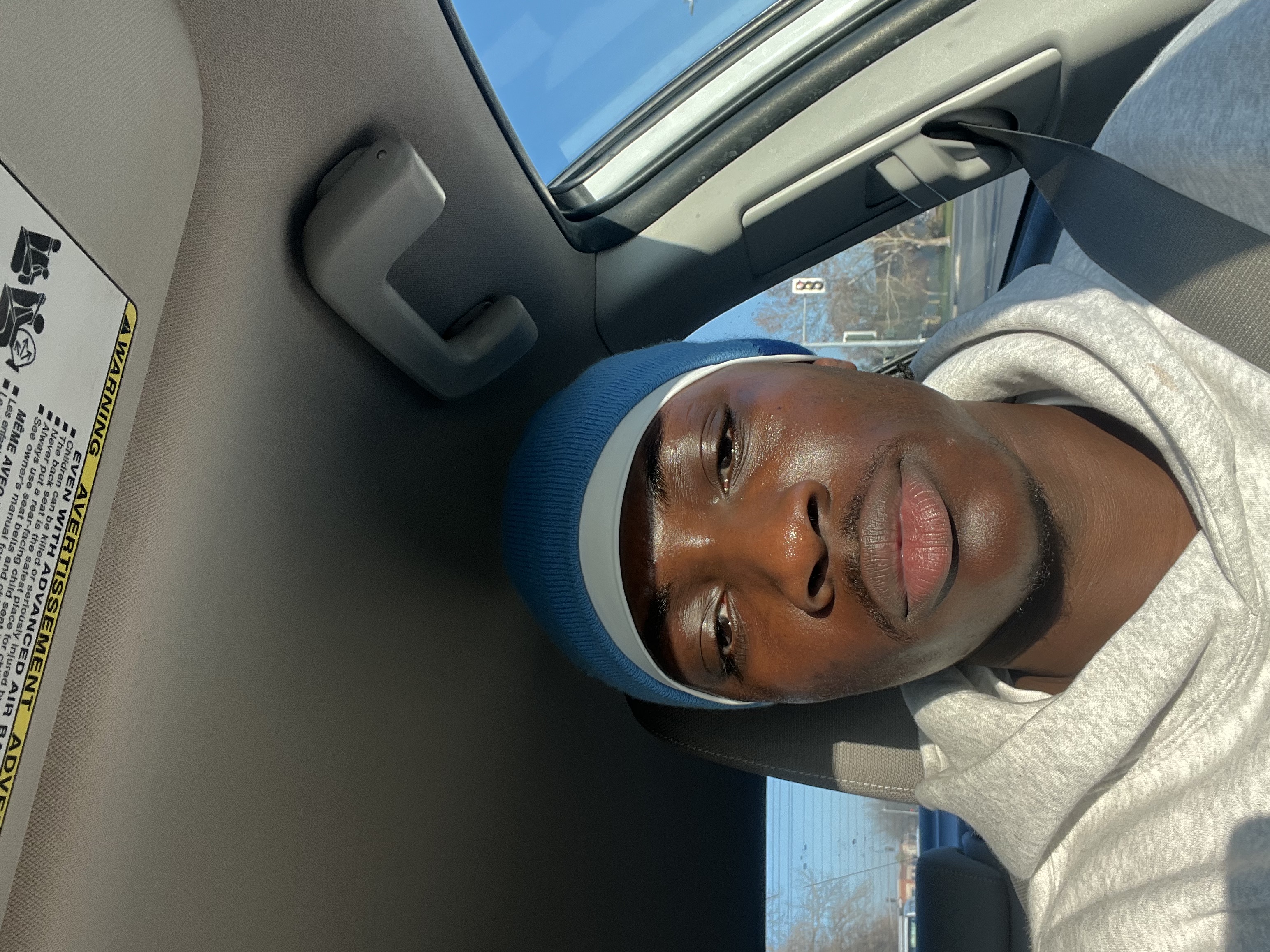
Alvin Elumelu
Sacramento, CA
Driving is one of the greatest responsibilities a person can have. Every time someone gets behind the wheel, they are making decisions that affect not only their own life but also the lives of passengers, pedestrians, cyclists, and other drivers. Although driving provides freedom and convenience, it also carries significant risks when people fail to follow traffic laws or make careless decisions. Every year, thousands of people lose their lives in preventable traffic accidents. Because of this, driver education is one of the most important tools we have for reducing the number of deaths caused by driving. It equips people with the knowledge, judgment, and skills needed to make responsible decisions and create safer roads for everyone.
The importance of driver education extends far beyond learning how to operate a vehicle. A good driver education program teaches defensive driving techniques, the importance of obeying traffic laws, and how to recognize dangerous situations before they become accidents. It also helps drivers understand the consequences of distracted driving, speeding, driving under the influence, and failing to wear seat belts. When drivers understand not only how to drive but also why safe driving habits matter, they are more likely to make choices that protect themselves and others. Education builds confidence while also encouraging humility, reminding drivers that no one is immune to mistakes and that caution should always come first.
There are many practical steps that can be taken to reduce the number of driving-related deaths. First, driver education should be required and continually reinforced, especially for new drivers. Learning should not stop after receiving a driver's license. Refresher courses and public safety campaigns can help remind drivers of the importance of staying alert and following traffic laws. Second, stronger enforcement of laws against distracted driving, impaired driving, and excessive speeding can discourage dangerous behavior. Third, communities and schools should continue promoting awareness about road safety so that people understand how one poor decision can have lifelong consequences. Finally, advances in vehicle technology, such as automatic emergency braking, blind-spot monitoring, and lane departure warnings, can help reduce accidents when combined with responsible driving habits. While technology is valuable, it should never replace attentive and responsible driving.
Recently, I experienced something that made the importance of safe driving feel much more personal. Two of my coworkers were involved in a serious car accident. One of them was expecting a baby, and because of the accident, doctors had to deliver the baby that same day. The other coworker suffered a severe spinal injury. Hearing what happened to people I knew made me realize how quickly life can change in a matter of seconds. One ordinary day became a life-changing event for multiple families. While I do not know every detail about what caused the accident, it reminded me that every time we drive, we have a responsibility to make decisions that protect not only ourselves but everyone around us. Their experience reinforced my belief that safe driving is never something we should take for granted.
Growing up in Nigeria also shaped my perspective on road safety. I often witnessed drivers taking unnecessary risks, including speeding, ignoring traffic rules, and driving vehicles that were not always in safe condition. While many people reached their destinations safely, I also understood that these behaviors increased the likelihood of accidents. Living in both Nigeria and the United States has shown me that regardless of where someone lives, responsible driving is essential. Traffic laws and road conditions may differ, but the value of human life remains the same everywhere.
As a Computer Engineering major at California State University, Sacramento, I also believe technology can contribute to safer roads. Engineers continue to develop smarter vehicles, improved safety systems, and technologies that help drivers avoid collisions. Features such as collision detection, adaptive cruise control, and automatic emergency braking have already prevented countless accidents. In the future, I hope my education will allow me to contribute to innovations that improve public safety and make transportation even safer. Although technology is advancing rapidly, I recognize that the most important safety feature in any vehicle will always be a responsible driver.
Personally, I am committed to becoming a safer driver by following traffic laws, wearing my seat belt every time I drive, avoiding distractions such as texting or using my phone behind the wheel, and never driving while impaired or excessively tired. I also believe I have a responsibility to encourage safe driving among my friends and family. If I see someone driving recklessly or making unsafe decisions, I will speak up because a simple reminder could prevent a tragedy. Being a safe driver is not only about protecting myself—it is about protecting everyone who shares the road with me.
In conclusion, driver education is one of the most effective ways to reduce traffic-related deaths because it teaches people how to make responsible decisions before dangerous situations occur. Combined with stronger enforcement of traffic laws, continued public awareness, and improvements in vehicle technology, education has the power to save lives. The accident involving my coworkers reminded me that life can change instantly and that every decision behind the wheel matters. As I continue my education and prepare for my future career, I will remain committed to practicing safe driving habits and encouraging others to do the same. Together, we can create safer roads and help ensure that more people arrive home safely every day.
Content Disclaimer:
Essays are contributed by users and represent their individual perspectives, not those of this website.