In the Driver’s Seat: Why Education and Awareness Save Lives
2026 Driver Education Round 1
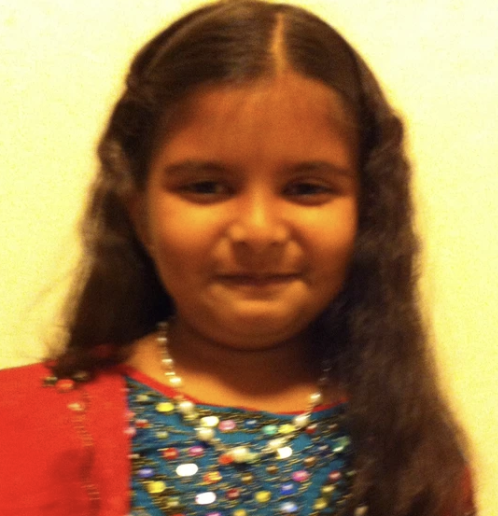
Niyati Tandel
Sacramento, CA
Driving is one of those things everyone looks forward to as a teenager. It feels like freedom; the ability to go wherever you want, whenever you want, without waiting for someone else. However, the older I get, the more I realize that driving isn’t just freedom, but it's a responsibility, a risk, and something we don’t talk about seriously enough, especially when the numbers show just how dangerous it really is. Every year, around 34,000 Americans die because of driving, which isn't just a statistic; that’s thousands of families whose lives change forever. When you compare that number to war casualties, it becomes even more shocking. Driving kills more Americans in two years than the Vietnam War did. It’s crazy that something we do every day is more deadly than combat.
That’s exactly why driver education matters. It’s not just about learning how to parallel park or memorize road signs. It’s about learning how to think. How to react. How to stay calm when something unexpected happens. Good driver education teaches you that driving isn’t a casual activity; it’s a skill that requires focus, maturity, and awareness. When new drivers understand that early, they’re less likely to treat driving like a game or a joke.
Education, however, alone isn’t enough. If we want to reduce driving-related deaths, we need a mix of better laws, better technology, and better habits. For starters, enforcing seatbelt laws and speed limits more strictly would make a huge difference. People underestimate how much speed affects reaction time, or how a seatbelt can be the difference between life and death. Then, there’s technology; things like automatic braking, lane assist, and blind spot detection. These features aren’t just fancy add-ons; they’re lifesaving tools that help prevent accidents caused by human error.
We also need more honest conversations about distracted driving. Everyone knows texting and driving is dangerous, but people still do it. I’ve seen it with my own eyes. I’ve been in the passenger seat while someone glanced down at their phone “just for a second,” and that second was enough to make my heart drop. One moment stands out clearly; a driver in the lane next to us swerved because they were checking their phone. They clipped another car, and both vehicles spun out. Thankfully, no one was seriously hurt, but the fear in that moment stuck with me. It made everything real and made me realize how fast things can go wrong.
I’ve also seen friends drive irresponsibly; speeding for fun, weaving through lanes like they’re in a video game, or acting like they’re invincible because “nothing bad has ever happened.” It’s hard to speak up sometimes because you don’t want to sound annoying or overly cautious, but staying quiet can be dangerous. I’ve learned that saying something, even if it feels awkward, is better than staying silent and hoping nothing goes wrong.
All of these experiences have shaped how I want to be as a driver. For myself, I’m committed to being intentional every time I get behind the wheel. That means putting my phone on Do Not Disturb, planning my route before I start driving, and not driving when I’m tired or stressed. It means actually following speed limits, not because I’m scared of getting a ticket, but because I understand why those limits exist. They’re not there to ruin your fun; they’re there to protect lives.
I also want to help others become safer drivers. That doesn’t mean lecturing people or acting like I’m perfect. It means speaking up when I’m in the car with someone who’s driving recklessly. It means reminding my friends to slow down or put their phone away. It means sharing what I’ve learned with younger students who are just starting to drive. A lot of teens don’t realize how dangerous driving can be until they hear real stories or see real numbers. If I can help even one person make a safer choice, that’s worth it.
Driving is a privilege, not a right; and it’s something we should treat with the seriousness it deserves. Every driver has the power to prevent accidents through their choices, their awareness, and their commitment to safety. Driver education gives us the foundation, but it’s up to us to build on it every time we’re on the road.
The truth is, driving will always come with risks, but those risks don’t have to turn into tragedies. If more people understood how dangerous driving can be, and how simple actions can save lives, we could make our roads safer for everyone. That’s why I believe in being an educated, responsible, and proactive driver, not just for myself, but for everyone who shares the road with me.
Content Disclaimer:
Essays are contributed by users and represent their individual perspectives, not those of this website.