It Just Takes One Accident
2026 Driver Education Round 1
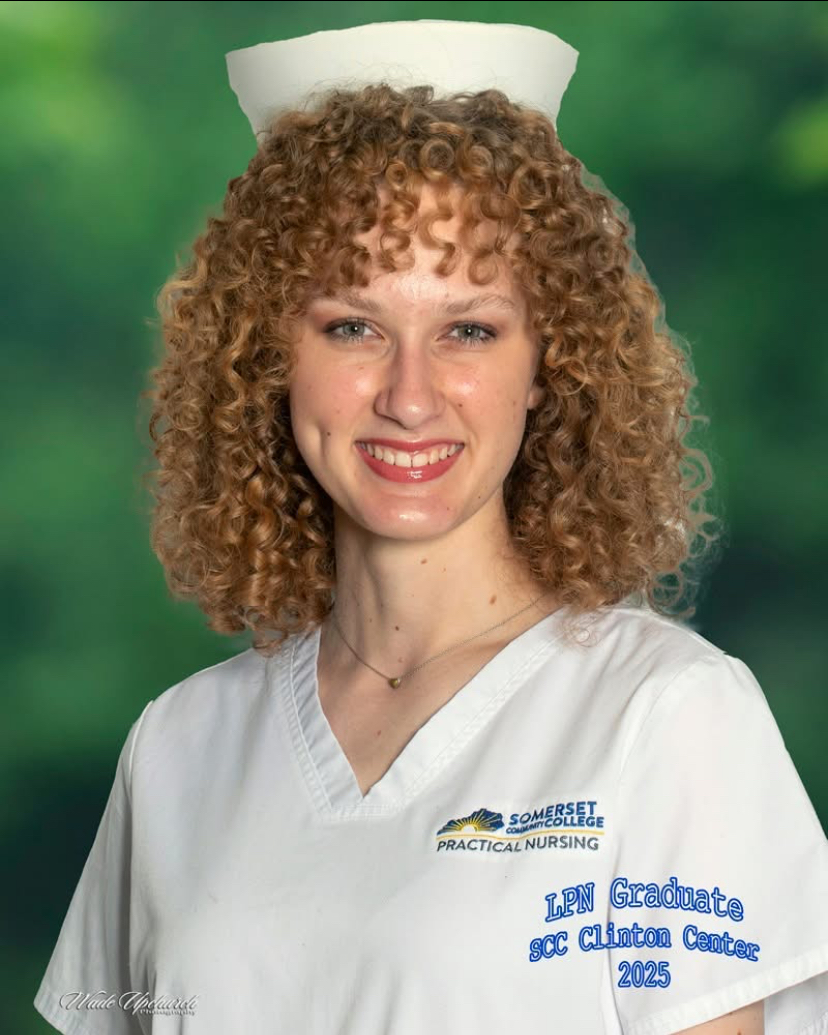
Lydia Mayer
Lakeland, Florida
Lydia Mayer
August 1, 2026
It Just Takes One Accident
All it takes is one accident or wreck, and your life is either over or permanently altered. Most adults in this country drive. We do it almost every day. Yet driving also remains a leading cause of preventable death. After a few hours behind the wheel, we hand teenagers a license and assume experience will fill in the gaps. Exposure can be a harsh teacher. Its fees come in fender benders, wrecked cars, injuries, and at times much worse. Driver education is not just a box to check off before getting a license. It lays out the groundwork for safer choices on the road for a lifetime, and it deserves far more attention than we give it right now.
Driver education matters because it builds caution and knowledge before a crisis demands them. A new driver who has only ever practiced with a parent in a parking lot does not yet grasp how fast an ordinary drive can spiral: how much following distance to leave, how to scan several seconds ahead for hazards, or the way weather and road surface stretch stopping distance. Good, structured programs teach these skills deliberately, instead of banking on trial and error to get the point across. When drivers genuinely get why speed limits, following distances, and turn signals exist, they are far more likely to follow them consistently, not just when a patrol car is sitting on the shoulder. Education turns arbitrary rules into common sense. That mental switch is what saves lives. A driver who has been taught to anticipate the mistakes others make, not simply to avoid making their own, becomes safer for everyone else on the road too.
Cutting the number of deaths from driving takes more than better beginner training. It takes ongoing effort at every level. Enforcing distracted driving laws more aggressively, especially the ones targeting cell phones, would attack one of the fastest growing causes of preventable crashes. Graduated licensing programs steadily add privileges as a new driver picks up experience, which stops inexperienced people from being shoved into high-risk situations, like night driving or hauling several passengers, before they are actually ready. Communities can sink money into safer road designs, too. Better lighting, clearer signs, and roundabouts at the nastiest intersections have all been revealed to cut down collisions. Refresher courses for drivers of all ages, and not just the youngest, could lock in good habits and crack down on the lazy complacency that seeps in after you've had a license for years. And public awareness campaigns that lean on real human stories tend to lodge in people's minds far longer than just numbers on a screen. You forget a statistic. The image of someone's life being wrecked in a split second is not so easy to shake.
I get what is at stake with reckless driving. I have lived it, and I see its consequences at work too. One day I was going the speed limit, keeping a safe following distance, when a driver up ahead turned without ever hitting their signal. They braked hard at the absolute last second. No warning, no time to react for anyone behind them. Three cars piled up. I'd done everything right, stayed alert, followed the rules, and held my distance. None of it mattered once somebody else's carelessness took the decision out of my hands. What I learned that day stuck with me: my own caution can stop me from causing a wreck, but it cannot fully stop me from becoming a victim of somebody else's recklessness.
Working as a nurse has only driven that lesson deeper. I have taken care of people in the ER who were killed or critically hurt in accidents that never had to happen. I have watched families get news that shattered their lives because a person chose to speed, chose to text while driving, treated the stop light and signs as options, or could not be bothered to signal. These are not abstract situations for me. They have faces and names, and they stick with me long after my shift is over. Every time I hear someone call driver safety campaigns overdone or pointless, I think of the families I have seen sitting in waiting rooms, holding out for news that never arrived the way they hoped. It really does just take one accident to change a life, or end it.
Because of everything I have seen on the road and at work, I keep myself to a firm standard when I drive. I follow the speed limit and obey traffic laws even when nobody's watching and even if I am running late. I never tailgate; I know firsthand how tiny the margin is for reacting to somebody else's slip-up. Checking my blind spots before switching lanes is not optional. It is a habit I treat as core to driving, not an afterthought. I also try to be a voice for safer driving with my family, friends, and coworkers. Sometimes that is as simple as reminding a friend to put their phone away, other times it means talking about what I have seen in the emergency room when a person waves off the dangers. I cannot control what other drivers do, but I can control the example I set and the conversations I start.
Teaching drivers well, enforcing sound safety policies, and expecting real personal accountability can stop the sort of crashes that jam up emergency rooms and shatter families. I have lived on both sides of this. A reckless moment almost made me a victim, and now, as a nurse, I care for the people who actually are victims, every single day. That double perspective left me with a conviction. Safer driving is not only a question of being responsible for yourself. It is about shielding everyone around us, strangers included. One accident is all it takes to flip a life upside down. My aim, on the road and at work, is simply to do whatever I can so that accident never gets its chance.
Content Disclaimer:
Essays are contributed by users and represent their individual perspectives, not those of this website.
Beyond the Wheel: Redefining Road Safety Through Education, Responsibility, and Action
Laila Jasemine Winston