Learning to Drive the Right Way
2026 Driver Education Round 2
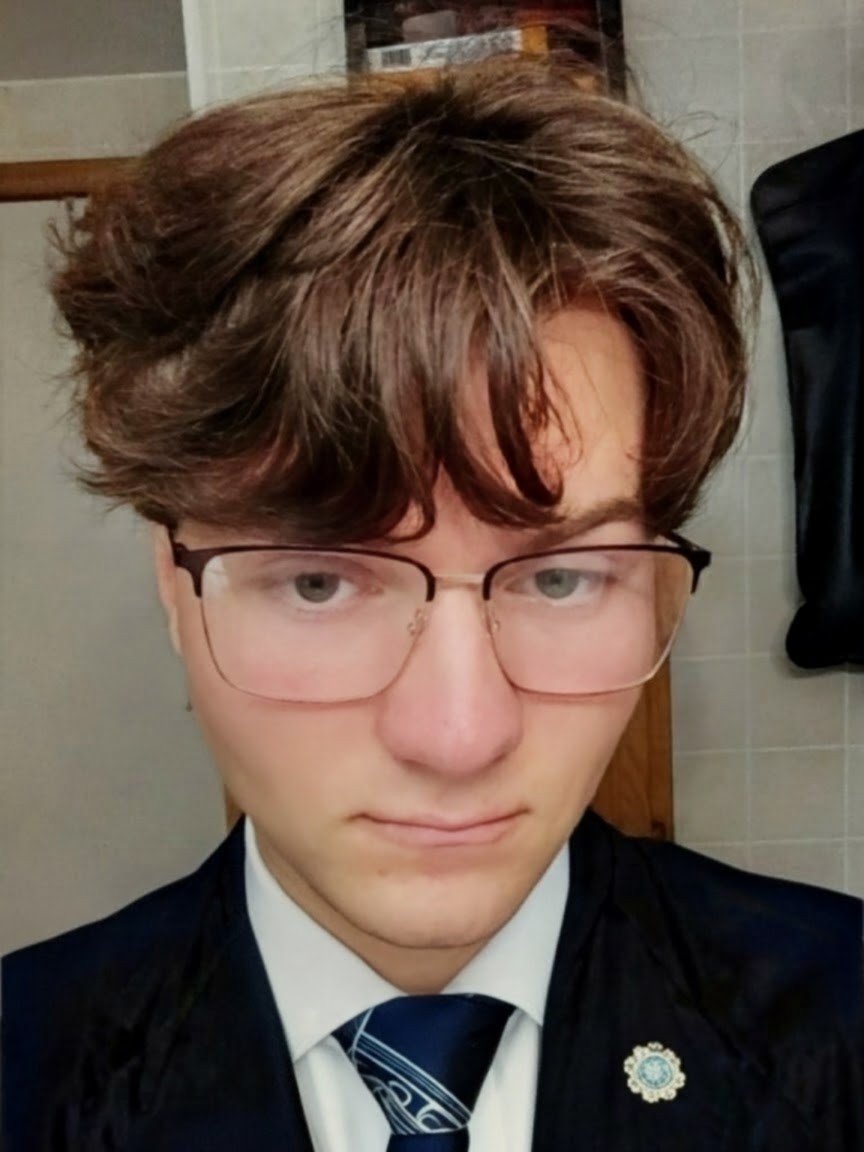
Brendan Konopka
Pittsgrove, NJ
I'm eighteen, and I'm a senior at Our Lady Seat of Wisdom Academy, a homeschool program in New Jersey. I don't have a license yet, and I don't have a permit. My time on the road so far has been spent in the passenger seat, watching other people drive and noticing what looks easy and what doesn't. The National Driving and Traffic School, which runs this award, points to an average of 34,000 people dying each year in America as a result of driving. Driver education exists to bring that number down, starting before a new driver is ever alone in traffic.
A booklet can describe what a stop sign means and what the lines on the road are for, and a course adds the part a booklet leaves out: a student in live traffic, where the light changes while the driver in front is still deciding what to do. From the passenger seat I have seen how long a car actually takes to stop once it is moving, and a written test never gives a student that feel. In a course, a student learns the reasons behind the rules alongside the rules themselves, which should make them easier to recall when there's no time to think them through. When something unexpected happens, nobody reaches for a manual, so a driver falls back on whatever was actually practiced.
The first habits form under supervision, with an instructor in the car. A drift toward the center line can get pointed out while the habit is still new. An instructor teaches a wider scan of the road ahead, well past the car in front. My own eyes, as a passenger, usually sit on the car in front, and that is a narrow place to watch the road from.
More driver education before anyone gets a license is the step I keep coming back to, because a trained beginner has practiced the basics with someone watching before driving alone. Graduated licensing works the same way. New drivers start out with limits, and the limits ease up as they get more time on the road.
Phones worry me more than most of it, even from the passenger seat. A phone pulls a person's eyes down, and even a short glance covers real distance at road speed. Laws against handheld phone use, backed by enforcement that's visible enough to take seriously, give drivers a reason to leave the phone alone. A law drivers never see enforced is easier to ignore, which is why I think actually getting pulled over for it matters as much as the law itself. A phone put in a bag before a trip starts cannot be checked at a light, because the choice was already made before leaving.
Speed decides a lot of how bad a crash turns out, because a slower hit is easier on the people inside the car. A driver who leaves a margin under the limit has more time to react when a car ahead brakes hard, and more room to stop. That margin is easier to keep when a driver leaves five minutes early and is not hurrying the whole way to make up time.
I've never been in a car accident, and nobody close to me has been hurt in one either. I've been lucky on this one. I don't have a dramatic story to tell here. I haven't watched a friend or a family member drive irresponsibly either, so I don't have an example of that to point to. That is part of why I want the training before I start driving.
When I start driving, I'll begin with a full driver education course, before I'm out on my own in traffic. After that, I'll build up gradually, starting with short trips close to home, and adding busier roads and worse weather only when the basics feel steady. For the first stretch, an experienced driver will ride along with me on practice drives, which keeps a second set of eyes in the car while the basics settle in. My phone plan is simple. Before the car moves, the phone goes away, out of reach and set to stay quiet.
As a passenger, I can help in smaller ways right now. I take directions when I'm asked, so the driver isn't looking down at a screen, and I read them out early, before a turn is close. If a text or a call comes in for the driver, I'll take that too. If a driver's phone keeps pulling their eyes off the road, I'll say something, even though speaking up feels awkward for about ten seconds.
Learning to drive the right way is one of my main plans for right after graduation on June 11, 2027.
A booklet can describe what a stop sign means and what the lines on the road are for, and a course adds the part a booklet leaves out: a student in live traffic, where the light changes while the driver in front is still deciding what to do. From the passenger seat I have seen how long a car actually takes to stop once it is moving, and a written test never gives a student that feel. In a course, a student learns the reasons behind the rules alongside the rules themselves, which should make them easier to recall when there's no time to think them through. When something unexpected happens, nobody reaches for a manual, so a driver falls back on whatever was actually practiced.
The first habits form under supervision, with an instructor in the car. A drift toward the center line can get pointed out while the habit is still new. An instructor teaches a wider scan of the road ahead, well past the car in front. My own eyes, as a passenger, usually sit on the car in front, and that is a narrow place to watch the road from.
More driver education before anyone gets a license is the step I keep coming back to, because a trained beginner has practiced the basics with someone watching before driving alone. Graduated licensing works the same way. New drivers start out with limits, and the limits ease up as they get more time on the road.
Phones worry me more than most of it, even from the passenger seat. A phone pulls a person's eyes down, and even a short glance covers real distance at road speed. Laws against handheld phone use, backed by enforcement that's visible enough to take seriously, give drivers a reason to leave the phone alone. A law drivers never see enforced is easier to ignore, which is why I think actually getting pulled over for it matters as much as the law itself. A phone put in a bag before a trip starts cannot be checked at a light, because the choice was already made before leaving.
Speed decides a lot of how bad a crash turns out, because a slower hit is easier on the people inside the car. A driver who leaves a margin under the limit has more time to react when a car ahead brakes hard, and more room to stop. That margin is easier to keep when a driver leaves five minutes early and is not hurrying the whole way to make up time.
I've never been in a car accident, and nobody close to me has been hurt in one either. I've been lucky on this one. I don't have a dramatic story to tell here. I haven't watched a friend or a family member drive irresponsibly either, so I don't have an example of that to point to. That is part of why I want the training before I start driving.
When I start driving, I'll begin with a full driver education course, before I'm out on my own in traffic. After that, I'll build up gradually, starting with short trips close to home, and adding busier roads and worse weather only when the basics feel steady. For the first stretch, an experienced driver will ride along with me on practice drives, which keeps a second set of eyes in the car while the basics settle in. My phone plan is simple. Before the car moves, the phone goes away, out of reach and set to stay quiet.
As a passenger, I can help in smaller ways right now. I take directions when I'm asked, so the driver isn't looking down at a screen, and I read them out early, before a turn is close. If a text or a call comes in for the driver, I'll take that too. If a driver's phone keeps pulling their eyes off the road, I'll say something, even though speaking up feels awkward for about ten seconds.
Learning to drive the right way is one of my main plans for right after graduation on June 11, 2027.
Content Disclaimer:
Essays are contributed by users and represent their individual perspectives, not those of this website.