Learning to Drive with Care
2026 Driver Education Round 2

Samuel Onabajo-Sokoya
Fairmount Heights, Maryland
At long last, I can drive!
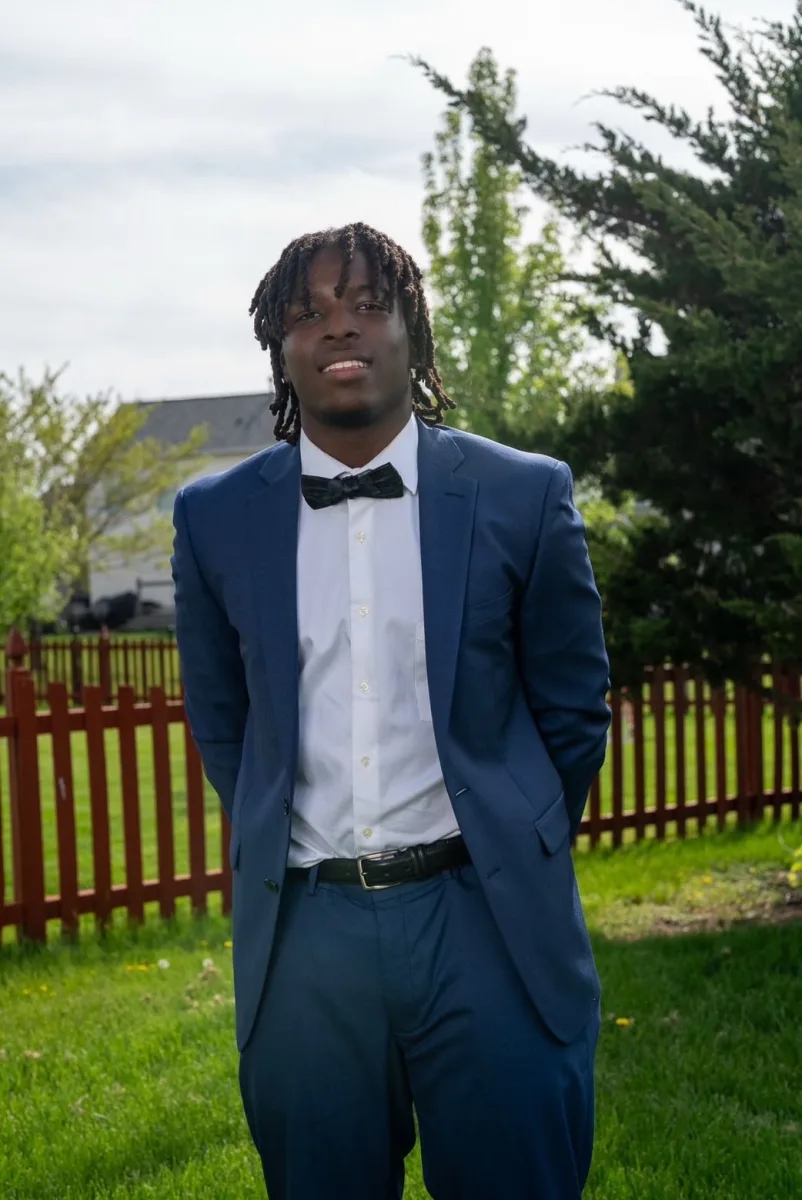
At 17, I am a high school senior and a new driver. I received my provisional license in Maryland in September 2026, an achievement that brought excitement and a sense of independence. But earning a license also made me think more seriously about the responsibility that comes with driving. A driver’s choices can affect passengers, pedestrians, and everyone else sharing the road. Driver education matters because it gives people the knowledge to make safer choices, but that knowledge must be paired with patience, good judgment, and respect for others. Preventing traffic deaths is not only the responsibility of individual drivers; it also requires families, communities, and public systems to support safety.
Driver education helps reduce deaths by preparing people to recognize hazards before they become emergencies. Learning traffic laws is essential, but safe driving also requires understanding how to respond to changing conditions, maintain a safe following distance, and stay aware of what is happening nearby. Drivers need to recognize that rain, darkness, heavy traffic, and unexpected actions from others can change a situation quickly. Education can also help new drivers understand how distractions, fatigue, speeding, and impairment affect judgment and reaction time. A license does not mean a person has finished learning. As a new driver, I need to build experience carefully, learn from mistakes without repeating them, and ask questions when I am unsure. Good driving is a skill developed through consistent attention and sound decisions, not simply through passing a test.
Reducing traffic deaths requires practical steps from every road user. Drivers should wear seat belts, obey speed limits, avoid aggressive behavior, and stay focused on driving. A phone can wait; no message is worth risking a life. No one should drive after drinking or using drugs, and people who are tired should find a safe alternative rather than push themselves to continue. Passengers can help by avoiding distractions and speaking up when a driver takes a risk. Friends and families can plan sober rides in advance and make it easier for someone to choose not to drive impaired. Beyond individual choices, communities can support accessible driver education, maintain safer roads and crossings, and enforce traffic laws consistently. Vehicles with effective safety features and thoughtful road design can also help prevent crashes or lessen their consequences. No single measure can eliminate every danger, but many layers of prevention can make serious harm less likely.
I have not been in a car accident, but I have witnessed irresponsible driving. Seeing someone behave carelessly on the road is unsettling because the driver may believe the risk affects only them. In reality, a sudden mistake can involve passengers, people in nearby vehicles, cyclists, or pedestrians who had no part in the decision. Witnessing this kind of behavior has helped me understand that danger can arise in ordinary moments, not just in dramatic situations. It has also reminded me that having a license does not make anyone invulnerable or automatically prepared for every circumstance. I cannot control every choice another driver makes, but I can choose not to imitate unsafe behavior and can take reasonable steps to protect myself and others.
As a driver, I can make safety a habit rather than something I think about only when conditions seem dangerous. I will buckle my seat belt before every trip, put my phone away, follow posted speed limits, leave enough space, and stay alert. I will never drive after drinking or using impairing substances, and I will make a different plan if I am too tired or distracted to drive safely. Because I have a provisional license, I will follow Maryland’s provisional-driver rules and continue learning from experienced, responsible drivers. I can also help others by modeling these habits and speaking up calmly as a passenger if a situation feels unsafe. If friends are going out, I can encourage them to arrange a sober ride before anyone gets behind the wheel. These actions may seem small, but they help create expectations that put people’s safety first.
Every trip is a shared responsibility. Driver education gives people a foundation, but safer roads depend on drivers' choices and the support they receive from passengers, families, and communities. As a new driver, I know I still have much to learn. I want to approach that learning with humility, patience, and care for everyone around me. By following safety rules, staying alert, and encouraging others to do the same, I can help build a culture where getting to a destination safely matters more than getting there quickly. A responsible driver doesn't just know the rules; they make choices that protect lives.
Content Disclaimer:
Essays are contributed by users and represent their individual perspectives, not those of this website.