More Than a License
2026 Driver Education Round 2
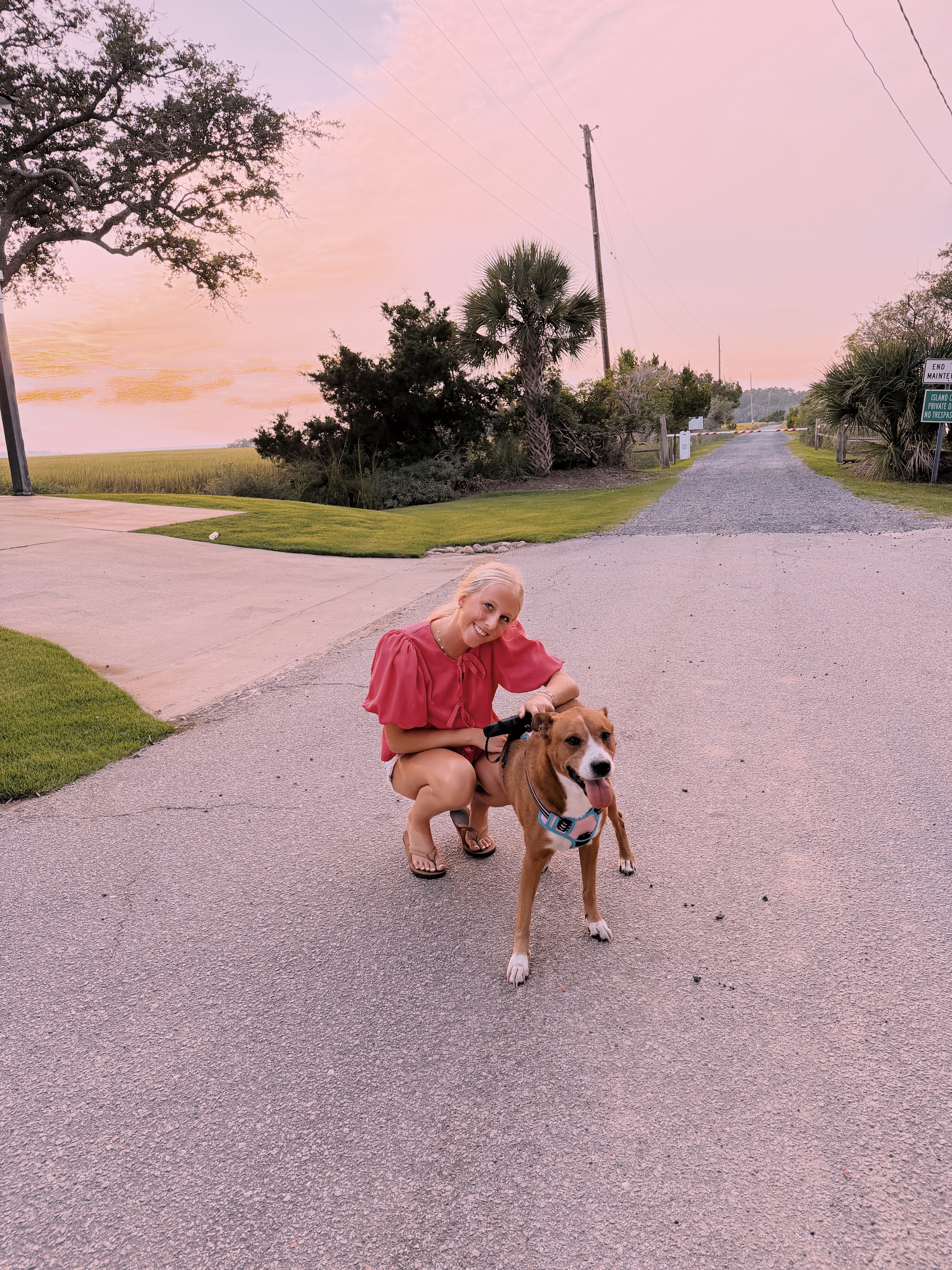
Evie Lydia Louisa Parker
Lexington, South Carolina
October 28, 2025, was supposed to be an ordinary Tuesday. It was my junior year of high school, and I was getting ready to pick up a friend and take her to school. It had been raining, and the roads were in terrible condition. I knew that, but I was also speeding and looking at my phone. As I approached a turn, my car hydroplaned, went over a curb, and crashed into a fence. By the time everything stopped, my car was totaled. Thankfully, I was safe. I walked away from an accident that could have ended very differently. What I did not walk away from, however, was the way I thought about driving. That morning permanently changed my understanding of what it means to be responsible for someone’s life.
Before that day, I understood that distracted driving and speeding were dangerous. I had heard the warnings, seen the statistics, and been reminded countless times to be careful on the road. However, knowing something is dangerous and truly understanding its consequences are two very different things. Like many teenagers, I sometimes viewed driving as an ordinary part of my routine rather than the serious responsibility it actually is. I had somewhere to be, someone to pick up, and a schedule to keep. I did not stop to consider how quickly an ordinary morning could become an experience that would change my life. I had made decisions that I knew were unsafe, convincing myself, whether consciously or not, that nothing would happen to me. On October 28, I learned just how wrong that mindset could be.
The most difficult part of reflecting on my accident is knowing that it was preventable. The rain did not force me to speed. The road conditions did not make me look at my phone. Those were my decisions, and I am responsible for them. I was fortunate that the consequences were limited to a totaled vehicle and a frightening experience. I could have seriously injured myself, someone else, or a passenger who trusted me to get them safely to school. My friend was supposed to be in that car. Had the timing of my morning been slightly different, she could have been sitting beside me when the accident happened. I also think about the people who could have been nearby, the family who owned the fence, and the other drivers who could have been affected by my actions. I had been thinking about getting somewhere, not about all the lives connected to my decisions.
That experience made the statistics surrounding driving fatalities mean something entirely different to me. Every year, thousands of people lose their lives in motor vehicle crashes. It is easy to read a statistic and move on because numbers can feel distant and impersonal. But behind every number is someone who had plans that day, someone who expected to return home, and someone whose absence left a permanent impact on the people who loved them. I was fortunate enough to become a person who could tell her story rather than become another statistic. That realization is something I will never take for granted.
I believe driver education is essential because simply knowing the rules of the road does not always mean understanding the responsibility behind them. Young drivers need more than instructions on how to park, change lanes, or pass a driving test. They need to understand how quickly conditions can change and how one careless decision can affect people beyond themselves. Driver education should emphasize recognizing hazardous weather, maintaining safe speeds, avoiding distractions, understanding stopping distances, and anticipating unexpected situations. Most importantly, it should teach young drivers that confidence is not the same as experience and that no one is too careful to make a mistake.
My accident also changed how I view the everyday choices drivers make. Distracted driving, speeding, following too closely, and driving too fast for weather conditions are often treated as minor mistakes or habits that people can get away with. However, the consequences do not depend on whether someone intended to cause harm. A driver can have no intention of hurting anyone and still make a decision that changes multiple lives. I think this is one of the most important lessons young drivers need to understand. Good intentions do not make an unsafe decision harmless.
There are practical steps every driver can take to make our roads safer. Phones should be put away before driving, not simply placed somewhere that makes them easier to glance at. Drivers should adjust their speed to match road and weather conditions rather than focusing only on the posted speed limit. Seatbelts should be worn on every trip, regardless of the distance. Drivers should never get behind the wheel when impaired, exhausted, or unable to give the road their full attention. We also need to create an environment where passengers feel comfortable speaking up when a driver is behaving irresponsibly. A friend should never feel that saying something about unsafe driving is more uncomfortable than remaining silent.
My interest in pursuing pediatric nursing has further shaped my appreciation for the value of human life. I hope to one day work in pediatric oncology, caring for children and families facing some of life’s most difficult circumstances. Through my health science education and CNA training, I am beginning to understand how much responsibility comes with caring for another person. I am learning that every patient is more than a diagnosis. They are someone’s child, someone’s sibling, someone’s best friend, and someone with an entire future ahead of them. This perspective has made me recognize that protecting human life is not limited to the medical field. It begins with the choices we make every day.
In nursing, I hope to spend my career helping people through situations that are often beyond their control. As a driver, however, I have the opportunity to prevent putting people in unnecessary danger in the first place. I cannot control every circumstance on the road, but I can control whether I am distracted, whether I follow traffic laws, whether I adjust my speed to the conditions, and whether I put the safety of others before my own convenience. I can also use my experience to encourage other young drivers to take their responsibilities seriously. I never want someone I care about to learn this lesson the way I did.
October 28, 2025, did not just change the way I drive. It changed the way I understand responsibility. I no longer see a driver’s license as simply a symbol of independence. I see it as a promise to take other people’s safety seriously, even when doing so requires patience, discipline, or putting my phone away when I would rather look at it. I cannot change the decisions I made that morning, but I can decide what I do with the lesson I learned from them.
I still think about how ordinary that Tuesday morning was supposed to be. I was just a high school student on her way to pick up a friend. I had no reason to believe that anything would happen, and that was exactly the problem. Dangerous situations do not always announce themselves. Sometimes, they begin with a decision that seems small enough not to matter.
I was given the opportunity to learn from a mistake that could have cost me much more than my car. I recognize that not everyone gets that opportunity. For that reason, I believe the most important thing I can do with my experience is make sure it does not become a lesson I learned only for myself. If sharing my story makes even one young driver think twice before checking a notification, speeding through bad weather, or assuming an accident could never happen to them, then something meaningful can come from that morning.
We all get behind the wheel with somewhere to go. But I have learned that getting there should never matter more than getting there safely. A driver’s greatest responsibility is not simply reaching a destination. It is making sure the people sharing the road have the chance to reach theirs, too.
Content Disclaimer:
Essays are contributed by users and represent their individual perspectives, not those of this website.