On the Road to Responsibility: Why Driver Education Saves Lives.
2026 Driver Education Round 1
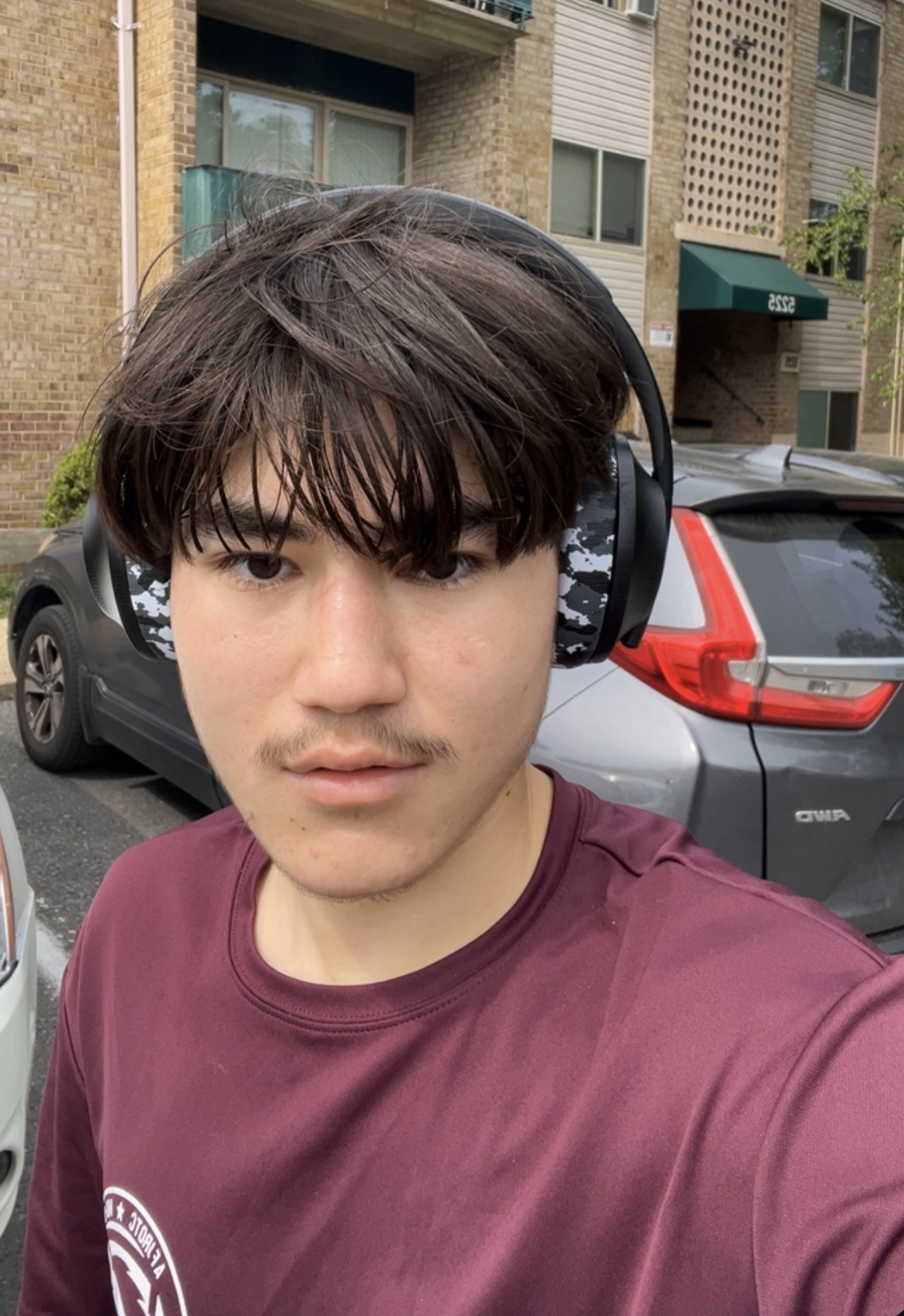
Jalaluddin Amani
Hyattsville, Maryland
On a national level, tens of thousands of preventable lives are lost on roads each year. A significant amount of those losses are teen drivers.
Being able to get behind the wheel of a car will be one of the largest responsibilities of my adult life in the furture, and I believe driver education is one of the most powerful, and most ignored, tools we can utilize to put an end to this tragic cycle of driving-related deaths.
The Importance of Driver Education The goal of formal driver education is to replace guesswork with knowledge. Many new drivers will not know instinctively that they should slow down significantly to avoid hydroplaning or how the following distance needs to be greater at freeway speeds. They may also underestimate how dangerous it is to glance at their cell phone for just three seconds, which in that time frame of a vehicle could have driven the length of a football field entirely blind possibly. I believe that drivers education programs offer this vital knowledge before it is learned through dangerous trial and error.
According to research I have done it consistently showed that the rate of accidents and citations among teen driver education students is far lower than that of their counterparts who learned driving skills solely from family.
It’s not only the practical skills of driving but the ability to make sound, predictive decisions that an education imparts. How We Can Turn the Tide on Driving Deaths or Is there a number of proactive steps that can be taken to help decrease the rate of driving deaths: Enhanced graduated licensing programs that restrict nighttime driving and passenger limits for inexperienced drivers until a higher skill level is reached, and I have experienced this myself. Stricter enforcement of distracted driving laws and public campaigns that work to make picking up your phone while driving just as unacceptable as drunk driving.
Improvements to our nation’s roadways in the form of increased lighting, clearer signs, and safer intersections in dangerous areas. Mandatory, quality drivering for high school student driver education courses, not only the elective ones that can often be treated as a formality. Peer-to-peer safety programs, where the messaging is student-to-student, as a student myself I think that students are far more likely to respond to their peers than they are to adults on issues such as safe driving that’s just something I believe not a fact.
No single policy will or should eliminate road fatalities entirely, but taken together, these actions work toward building a culture where safety always comes first.
A few days ago, I almost crashed my dad’s car because of a misunderstanding during a left turn. While driving at night with my dad, I became distracted and misjudged the distance of an oncoming car. Fortunately, For me I was able to avoid an accident, but the experience made me realize how quickly a tragedy can happen when a driver is not fully attentive. Someone in my neighborhood was involved in a very similar situation, but unfortunately for them they weren’t able to avoid the accident. Even though the person driving the car had a driver’s license, they hadn’t completed driver’s education, which showed me how important proper training and focus are when driving. Perhaps you have a family member who had a brush with a close call because they were texting, distracted and driving, even for just a few seconds? Maybe you simply watch many teens in your school chat and text when the driver stops at the red lights as soon as they’ve had a license for a few months and you thought “Wow… someone could actually get hurt.
Becoming a Safer Driver – and Helping to Ensure Others will, Is a tool you want to have and be the kind of driver who actively makes roads safer – not only for myself, but for others, too.
I will make a commitment to driving without my phone, out of reach from the moment I start my car and drive in the speed limit, accounting for conditions of visibility, weather, and traffic to always maintain a comfortable following distance and avoiding situations that push me beyond the boundaries of my comfort or skill level. I don’t plan to become a self-appointed guardian of every teenager’s car on the road, but I will not be shy to speak up as a passenger if I feel unsafe. It can be awkward and intimidating to call out a friend’s risky behavior, but a near-miss experience is so much more awkward and devastating than a few uncomfortable sentences.
I also hope to lead by example, working with groups like the National Honor Society in my school to implement teen-led education programs that promote safer driving behaviors within our student community because the most powerful change sometimes comes from learning from our peers. Driving is a freedom a privilege – but it is also a tremendous responsibility. My hope is to accept that responsibility with the seriousness it demands, by becoming a skilled and conscious driver, and contributing to a larger community effort that strives for a world where the roads are more predictable, and lives are no longer lost in preventable crashes.
Content Disclaimer:
Essays are contributed by users and represent their individual perspectives, not those of this website.