One Accident, A Lifetime of Lessons
2026 Driver Education Round 2
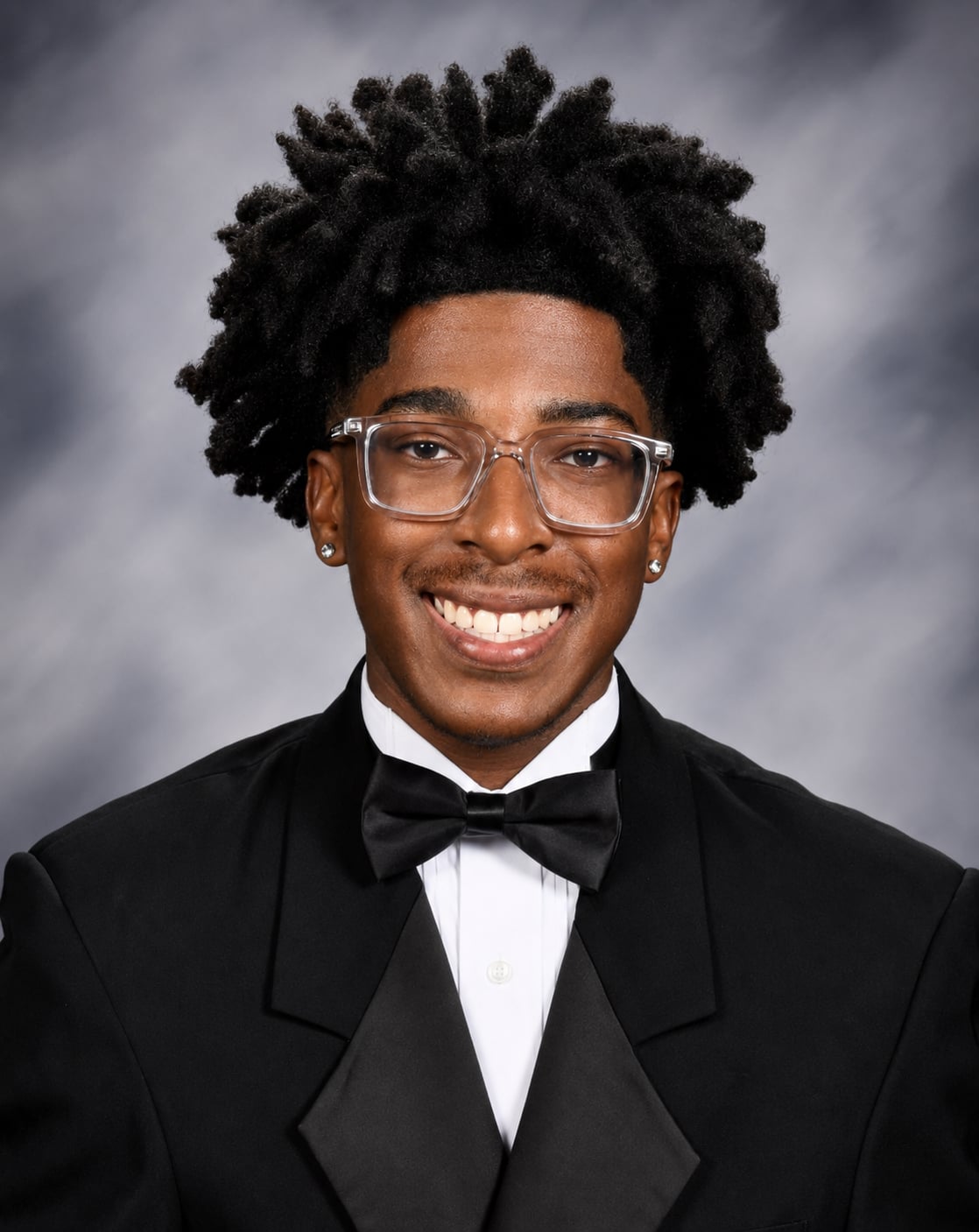
Riley Hill
macon, ga
Getting my driver's license was something I looked forward to for years. Like most teenagers, I was excited about the freedom that came with being able to drive myself places. I wouldn't have to depend on someone else for a ride, and I could enjoy a little more independence. However, I learned in August that driving comes with responsibilities that go far beyond knowing how to operate a vehicle. That month, I was involved in a car accident that totaled my vehicle and completely changed the way I look at being behind the wheel.
I was driving straight down the road when another driver pulled out of a parking lot and struck the passenger side of my vehicle. I was not at fault, but that did not make the experience any less serious. Everything happened so quickly. One moment, I was simply driving, and the next, I was dealing with the reality of being in a car accident. My vehicle was totaled, but thankfully, no one suffered permanent injuries. Although I was disappointed about losing my car, I realized how fortunate I was that the situation had not ended differently.
That accident taught me something I will never forget: you can be doing everything right and still be affected by someone else's mistake. Before August, I knew car accidents happened every day, but I never really thought about becoming part of that statistic. Experiencing an accident firsthand made me understand that driving is not just about paying attention to what I am doing. It is also about being aware of what everyone around me might do.
This is one of the reasons I believe driver education is so important in reducing the number of deaths caused by motor vehicle accidents. Driver education teaches people much more than how to pass a driving test. It helps drivers understand traffic laws, recognize potential dangers, and develop the skills needed to make safe decisions. It also teaches the importance of defensive driving, which means being prepared for unexpected situations and understanding that other drivers may not always make the right choices.
Looking back at my accident, I realize how important it is for drivers to pay attention when entering a roadway from a parking lot, driveway, or intersection. Taking an extra moment to check for approaching vehicles could prevent a serious collision. At the same time, drivers already traveling on the road should remain alert to vehicles that may unexpectedly enter their path. Although I could not control the other driver's decision that day, the experience reminded me that awareness and caution are necessary every time I get behind the wheel.
There are several ways we can reduce the number of deaths related to driving. One of the biggest is eliminating distractions. As teenagers, our phones are almost always nearby. Whether it is a text message, phone call, or notification, it can be tempting to look away from the road for just a second. However, a few seconds of distraction can be enough to cause an accident. I believe drivers should put their phones away, avoid texting, and focus completely on the road.
Another important step is following speed limits and practicing patience. Sometimes people drive faster because they are running late or simply want to get somewhere quickly. However, speeding reduces the amount of time a driver has to react to unexpected situations and increases the severity of crashes. Drivers should also wear seat belts, maintain safe following distances, use turn signals, and avoid driving under the influence of alcohol or drugs. These may seem like simple responsibilities, but they can make the difference between life and death.
My accident also helped me understand the importance of never becoming too comfortable behind the wheel. Driving the same route every day can make someone feel like they know exactly what to expect. However, road conditions can change, and other drivers can make unexpected decisions. I now understand that being a safe driver requires constant attention, even when the road seems familiar or the drive seems routine.
As I continue gaining driving experience, I want to become more aware of my surroundings and practice defensive driving every time I get behind the wheel. This includes watching for vehicles pulling out of parking lots, checking intersections carefully, keeping a safe distance from other cars, and being prepared to react when something unexpected happens. I also plan to avoid distractions, follow traffic laws, and remind myself that arriving safely is always more important than arriving quickly.
I also believe that being a responsible driver means encouraging others to make safe choices. As a high school senior, I know that teenagers can sometimes feel pressured to impress their friends by speeding, showing off, or taking unnecessary risks. If I am riding with someone who is driving irresponsibly, I will not be afraid to speak up. I would rather have an uncomfortable conversation than remain silent and risk someone getting hurt. I can also encourage my friends to put their phones away, wear their seat belts, and think about how their decisions could affect other people.
Being a Drum Major in my high school band has taught me a lot about leadership and setting an example. I have learned that people pay attention to your actions, not just your words. The same lesson applies to driving. I cannot encourage my friends to be responsible drivers if I am not willing to practice those habits myself. Leadership means doing the right thing even when no one is watching, and that includes following traffic laws and making responsible decisions on the road.
One of the biggest lessons I learned from my accident is that a vehicle can be replaced, but a life cannot. At the time, losing my car was upsetting because it represented my independence and freedom. However, when I think about what could have happened, I realize that the outcome could have been much worse. I am grateful that no one suffered permanent injuries, and I do not take that for granted.
As I prepare to graduate from high school and begin the next chapter of my life, I know that driving will continue to be an important responsibility. Whether I am traveling to college, work, or simply spending time with friends, I want to remember the lessons I learned in August. Driver education provides the foundation for safe driving, but it is up to each person to apply those lessons every day.
My accident was not my fault, but it still taught me something valuable. I cannot control every decision another driver makes, but I can control how prepared, focused, and responsible I am behind the wheel. If more drivers understood the importance of driver education, practiced defensive driving, and considered how their actions affect others, I believe many accidents and deaths could be prevented.
In August, I lost my vehicle, but I gained a greater understanding of how precious life is. No destination, distraction, or moment of carelessness is worth risking a life. The most important part of driving is not how quickly we get somewhere, but making sure we all make it home safely.
Content Disclaimer:
Essays are contributed by users and represent their individual perspectives, not those of this website.