One Second
2026 Driver Education Round 1
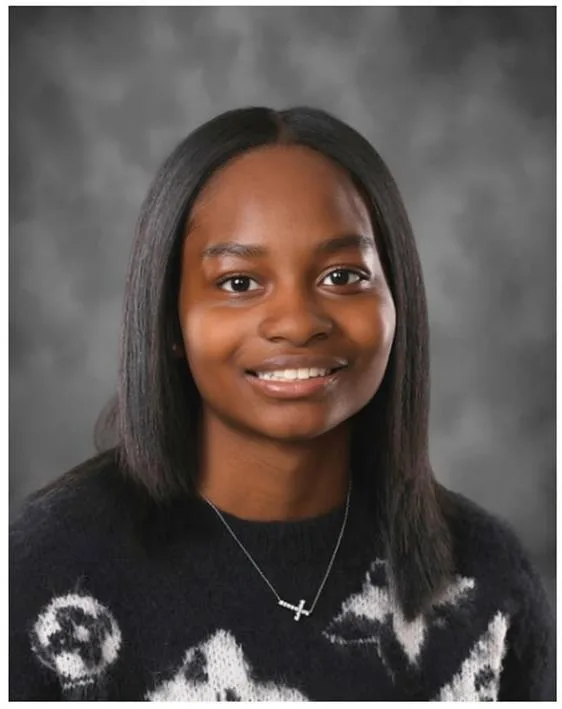
Mariam Simisola Okunola
Mansfield, TX
One Second
"Slow down."
"Check your mirrors."
"Use your signal."
"Watch the curb."
Every instruction came at me all at once.
Driving was one of the most frustrating things I have ever learned. My foot hovered over the pedals. My eyes darted from the road to the mirrors and back again. Left mirror. Right mirror. Rearview mirror. Speedometer. Road. Mirror again. Every second felt like a test I was destined to fail.
"Go 30 miles per hour."
A few minutes later, the instruction changed.
"Speed up to 40."
"Can I even go 40 here?" I asked nervously.
Learning to drive felt like trying to juggle while balancing on a tightrope. There were rules everywhere. Signs everywhere. Cars everywhere. Every decision mattered. It seemed like everyone else on the road knew exactly what they were doing while I was still trying to remember which mirror to check first. What looked easy from the passenger seat suddenly felt incredibly complicated from behind the wheel.
Then came the mistake I still remember.
I reached for the turn signal.
For one split second, I looked away.
One second.
That was all it took.
The car drifted toward the curb.
Thud.
The tire was ruined.
My stomach dropped. My heart raced. My brother immediately began yelling about his car. Meanwhile, I sat there replaying the moment in my head. I had not been texting. I had not been speeding. I had only looked away for a moment. Yet that moment was enough to cause an accident.
I felt embarrassed. I felt guilty. Most of all, I felt surprised. Before that day, I never fully understood how much attention driving required. I assumed accidents mostly happened because people were being reckless. After all, I was trying to be careful. Yet even while trying my best, I still made a mistake.
That experience taught me something important: driving is not something people should take lightly.
Every year, thousands of people lose their lives in car accidents. Many of those deaths happen because someone was distracted, speeding, driving recklessly, or simply failed to pay attention. Before learning to drive, I thought driving was mostly about turning a wheel and pressing pedals. After sitting behind the wheel myself, I realized it is much more than that. Driving requires focus, patience, awareness, and good judgment every second a vehicle is moving.
This is why driver education is so important.
A driver's education program teaches far more than how to operate a car. It teaches people how to recognize hazards, make safe decisions, and respond to unexpected situations. Professional instructors understand the rules of the road and know how to prepare new drivers for real-life scenarios. Family members can be helpful teachers, but professional driver education provides structured training designed to keep people safe.
I learned that driving is not only about protecting yourself. It is also about protecting everyone around you. Every car on the road contains someone's friend, parent, sibling, child, or loved one. A careless decision can affect far more people than the driver alone. Driver education helps people understand the consequences of their actions before those actions lead to tragedy.
Driver education also helps reduce deaths by building good habits before bad habits can form. New drivers learn the importance of wearing seat belts, maintaining safe following distances, checking blind spots, and obeying speed limits. They learn that even a quick glance away from the road can have consequences. These lessons can prevent accidents before they happen.
There are many steps society can take to reduce the number of driving-related deaths. Drivers should avoid using their phones while driving, obey traffic laws, avoid driving under the influence, and eliminate distractions whenever possible. Communities can continue investing in driver education programs and public safety campaigns. Parents can model safe driving behaviors for their children. Schools can encourage students to take driving safety seriously. Even simple actions, such as wearing a seat belt every trip, can save lives.
Although I have never been involved in a major car accident, my experience hitting the curb taught me how quickly things can go wrong. I have also witnessed people driving irresponsibly. I have seen drivers speed through traffic, ignore turn signals, and use their phones while driving. Sometimes these actions seem small in the moment, but small mistakes can have serious consequences. Watching these behaviors reminds me that a vehicle is not just transportation. It is a responsibility.
As I continue learning to drive, I want to become a safer driver by staying focused, limiting distractions, following traffic laws, and remaining patient behind the wheel. I also want to continue learning from my mistakes instead of becoming overconfident. Confidence can be helpful when driving, but overconfidence can be dangerous. I never want to assume that an accident could not happen to me.
I also hope to encourage others to do the same. Sometimes helping others become safer is as simple as speaking up when someone is driving recklessly, reminding friends to put their phones away while driving, or setting a good example through my own behavior. Safe driving habits can spread from one person to another.
Today, I still hear those instructions in my head.
"Check your mirrors."
"Watch your speed."
"Use your signal."
But now I understand why those instructions matter.
A tire can be replaced.
A curb can be repaired.
A life cannot.
That is why driver education matters. It gives drivers the knowledge, skills, and awareness needed to make safer decisions on the road. Most importantly, it helps ensure that more people arrive home safely at the end of every trip. Looking back, that mistake with the curb was frustrating and embarrassing, but it taught me a lesson I will never forget. Sometimes the most important lessons come from the mistakes we wish we had never made. Mine taught me that one second of inattention can make all the difference, and that is exactly why driver education is so valuable.
Content Disclaimer:
Essays are contributed by users and represent their individual perspectives, not those of this website.