One split second
2026 Driver Education Round 1
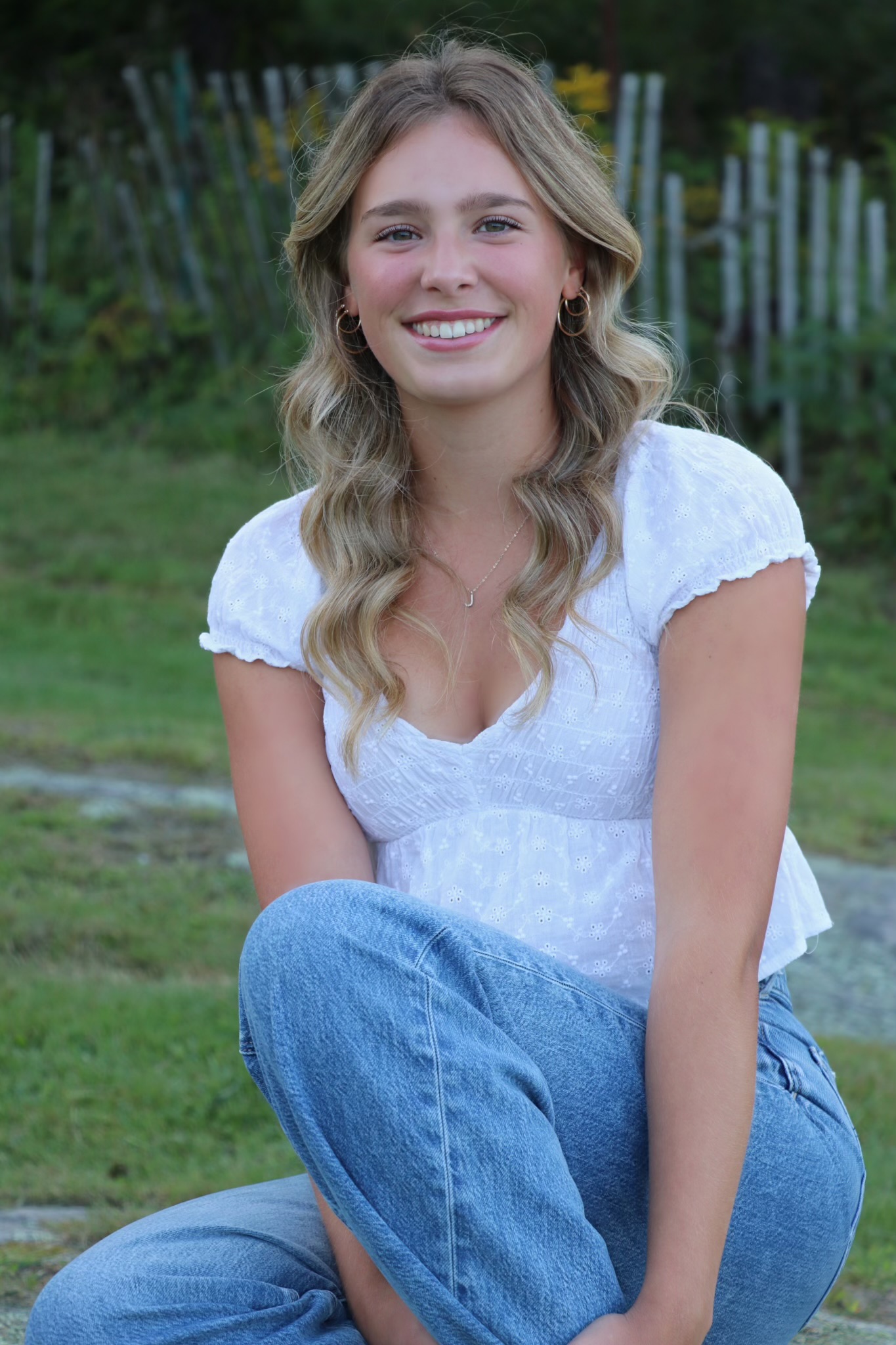
Julia Martins
West Newbury, MA
"It was a regular sunny day without a cloud in the sky. I couldn’t wait for the weekend to begin because we were headed to Minas Gerais for a fun weekend of parties and music. Suddenly, out of nowhere, a loud boom which seemed to lurch me forward with the force of a rocket as I started spinning out of control. Each turn slamming into the cars in front of me. I don’t remember anything from this moment, only what I was told. The guy behind me was looking at his phone and didn’t see the cars in front of him. I was in that car in front of him and he slammed into the back of my car at full speed. When I opened my eyes everything was silent except for the pounding of my heartbeat." I was lucky my dad says every time he tells the story of his accident.
Many people are not.
Every year, thousands of people lose their lives in car accidents. Some are caused by speeding, distracted driving, drunk driving, fatigue, or simply poor decisions behind the wheel. Behind every statistic is a family forever changed—a parent who never comes home, a teenager whose future disappears in an instant, or a child left wondering why someone they loved is gone. Driver education is important because it can prevent these tragedies before they happen. It teaches people not only how to operate a vehicle, but also how to respect the responsibility that comes with driving.
Too many people view driving as routine. They eat, text, speed, and take risks because they feel comfortable behind the wheel. Driver education reminds people that a car is not just transportation; it is a machine capable of causing enormous harm when used carelessly. A good driver education program teaches defensive driving, road awareness, and the consequences of reckless behavior. More importantly, it encourages drivers to think before acting. Knowing the rules of the road is important, but understanding why those rules exist is what truly saves lives.
I have personally witnessed irresponsible driving many times. I have seen friends speed down dark roads to impress others in the car. I have seen people scroll through social media while driving through busy intersections. One of the most frightening moments happened when a family friend decided to drive home after drinking at a party. He insisted he was “fine” and laughed when others warned him not to drive. Although he made it home safely that night, I could not stop thinking about what could have happened. One bad decision could have destroyed multiple lives in seconds.
Experiences like these have made me realize that accidents are often preventable. Most crashes are not mysterious tragedies that appear out of nowhere. They are the result of choices. Because of this, there are many steps society can take to reduce the number of deaths related to driving.
First, driver education should begin earlier and continue longer. Many students rush through driver’s education simply to get their license, memorizing answers for a test without truly understanding the dangers of reckless driving. Schools should include more real-life examples, simulations, and discussions about distracted driving, alcohol, and speeding. Hearing stories from accident survivors, emergency responders, or families affected by crashes could leave a lasting impact on young drivers. Education becomes more powerful when people understand the human cost behind careless decisions.
Second, stricter enforcement of driving laws can help save lives. Many people continue dangerous habits because they assume they will not get caught. Stronger penalties for texting while driving, drunk driving, and reckless speeding could discourage risky behavior. At the same time, communities can increase public awareness campaigns that remind drivers to stay focused and responsible. Simple reminders such as “It Can Wait” or “Drive Sober” may seem small, but they reinforce important habits every day.
Technology can also play a major role in reducing deaths on the road. Modern vehicles already include features such as automatic braking systems, blind-spot warnings, lane departure alerts, and backup cameras. While technology cannot replace responsible driving, it can help prevent human mistakes from becoming deadly. Apps that silence notifications while driving or track safe driving habits can encourage drivers to stay attentive. Even rideshare services have helped reduce drunk driving by giving people safer alternatives to getting behind the wheel.
However, laws and technology alone are not enough. True change begins with personal responsibility. Every driver must make the choice to protect not only themselves but everyone sharing the road with them. I know there are steps I can personally take to become a safer driver. I can avoid distractions by keeping my phone out of reach while driving. I can give myself extra time so I never feel pressured to speed. I can stay calm instead of reacting aggressively when other drivers make mistakes. Most importantly, I can speak up when someone else is driving irresponsibly, even when it feels uncomfortable.
Many people stay silent because they do not want to seem annoying or overly cautious. Yet silence can be dangerous. If a friend is texting while driving, I can remind them to put the phone away. If someone has been drinking, I can help arrange another ride home. Small actions can prevent enormous tragedies. Being a safe driver is not just about protecting yourself—it is about protecting everyone around you.
That rainy night with my cousin stayed with me long after we arrived home safely. I still remember the screech of the tires and the sudden realization that everything could have changed in an instant. It taught me that accidents do not always happen because someone lacks skill; they happen because people forget how serious driving truly is. Driver education matters because it teaches awareness, responsibility, and respect for human life. By improving education, enforcing laws, using technology wisely, and making better personal choices, we can reduce the number of deaths caused by driving.
Every safe decision behind the wheel matters. A text can wait. Speeding is never worth a life. One responsible choice may mean that someone gets to return home safely to the people who love them.
Content Disclaimer:
Essays are contributed by users and represent their individual perspectives, not those of this website.