One Year After the Crash: What I Learned About Driving
2026 Driver Education Round 2
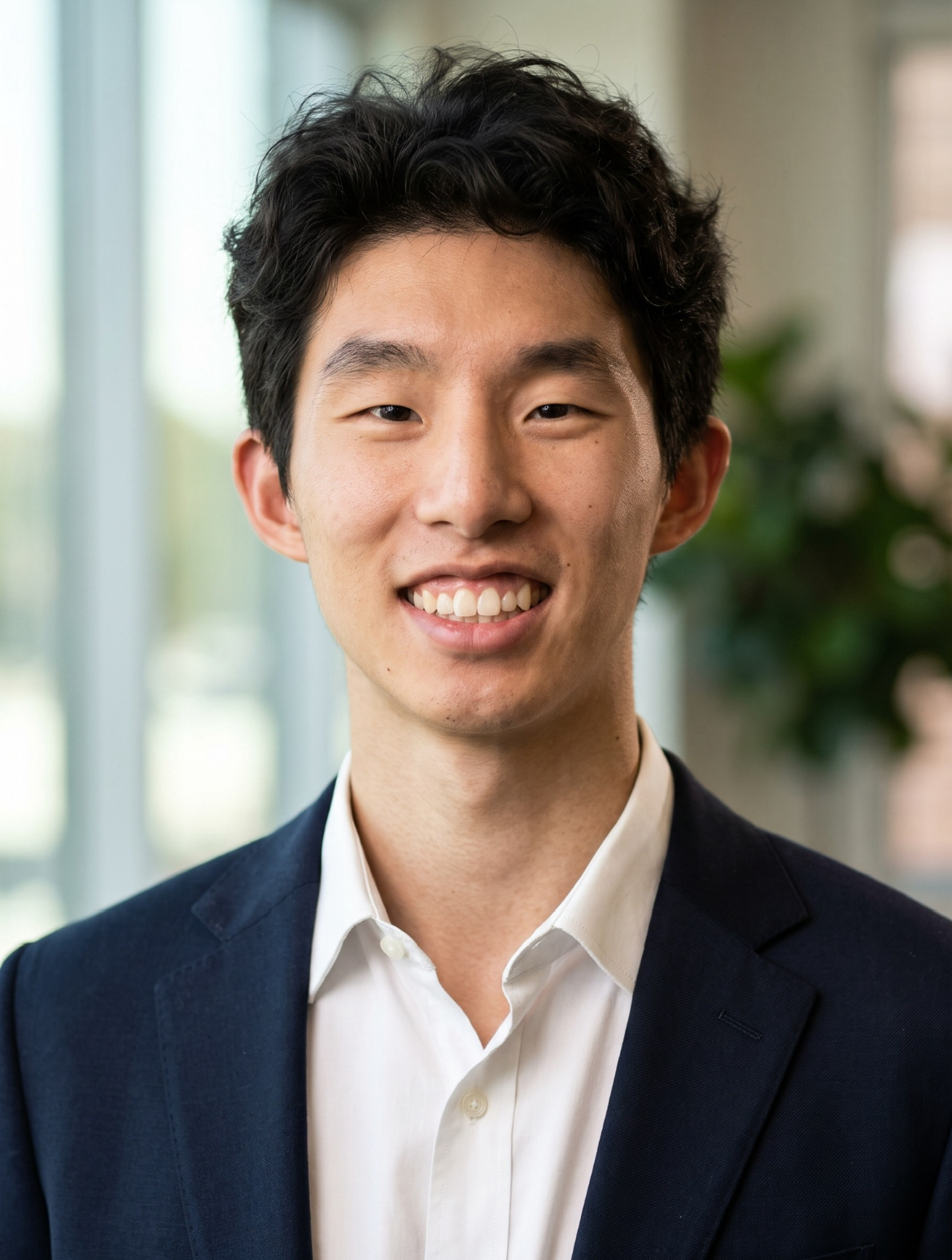
George Zhang
Sunnyvale, Texas
Last November I was in a car accident. I am lucky to say that I recovered, but the months that followed taught me more about driving than any class I have taken. I have ankylosing spondylitis, a chronic inflammatory arthritis that affects the spine, so a collision that jolts the back and neck was especially hard on my body. I went to physical therapy every day while I started my classes at the University of Texas at Dallas. Today my back and neck pain have eased, and the soreness that remains is part of living with my condition. I am grateful to be back, and I want to use what I learned to answer the questions this scholarship asks.
What is the importance of driver education in reducing driving deaths?
Driver education matters because driving is one of the few daily activities where a split-second decision can change a life. Most crashes are not caused by a lack of intelligence. They come from habits: looking at a phone, following too closely, driving too fast for conditions, or driving when tired. A good driver education course does more than teach how to pass a test. It builds habits before they become automatic, and it gives new drivers a clear picture of what can go wrong. A teenager who has heard why stopping distance grows with speed, and why a few seconds of distraction at highway speed means traveling a long distance without looking at the road, is more likely to choose differently. Education also helps drivers understand the real consequences. It is easy to treat a crash as something that happens to other people. Hearing from people who have been through one, and learning how injuries actually happen, makes the risk real.
What steps can be taken to reduce driving-related deaths?
I think about this the way I think about health care: prevention works better than treatment. The first step is making sure every driver has strong training that continues after the license is issued, through refresher courses and lessons for older drivers. The second is keeping phones out of reach while the car is moving. Many states, including Texas, ban texting while driving, but laws only work when drivers believe they matter and believe they will be caught. The third is simple: seat belts, every trip, every seat. Belts are among the most effective safety devices in a car, and they help even when the driver does everything else right. The fourth is not driving impaired or drowsy. Alcohol, drugs, and exhaustion all slow reaction time, and a ride share or a phone call to a friend costs far less than the alternative. The fifth is better road design, such as protected turn lanes, better lighting, and speed management in neighborhoods, so that an ordinary mistake does not turn deadly. Finally, communities can do more to talk openly about these issues, through schools, clinics, and local events, so that safe driving is treated as normal instead of optional.
Have I experienced a car accident, or seen friends or family driving irresponsibly?
Yes, and I have felt it in my own body. I will not retell every detail of the crash, but I can describe what came after. Because I live with ankylosing spondylitis, a back and neck injury was not just a short-term problem. I started physical therapy right away and went every day while my classes began. My routine became therapy, classes, studying, and rest, repeated again and again. At first it was difficult to manage. I had to decide each day how much I could push and how much I needed to protect myself. It taught me that recovery is not a single event. It is a series of small, boring, repeated actions, and each one counts.
That experience also changed how I think about other drivers. A crash is not over when the cars stop. The person in the passenger seat, the person in the other car, and the family waiting at home all carry some part of it. I now notice how easy it is to take driving for granted, and how often I see people glance at a phone at a red light or accelerate through a yellow light that is already turning red. Before the accident, I might have shrugged at that. Now I understand how quickly a choice that seems small can turn into months of therapy for someone.
What steps can I take to be a safer driver and help others be safer?
For myself, the steps are concrete. I keep my phone out of reach and set up directions and music before I start the car. I wear my seat belt and expect passengers to wear theirs. I leave extra space and extra time, because rushing is a choice I can avoid. I pay attention to how my body feels, since stiffness or fatigue can affect how I drive, and I stop and rest when I need to instead of pushing through. I also try to be a calm presence in the car for the people riding with me.
For others, I can use the platforms I already have. I volunteer at Agape Clinic, where I meet patients from many backgrounds, and I started bedside.win, a mock-interview platform for pre-med students. In both places, I talk with people every day. If someone mentions a crash or a close call, I can share what I learned from mine. As a future physician, I will have the chance to ask patients about seat belts, alcohol, and phone use the same way I would ask about blood pressure. Doctors often see the results of crashes, and they also have a chance to prevent the next one by talking about it before it happens.
I plan to apply to medical school in June 2027, and I am drawn to sports medicine and the engineering side of care. The crash and the months of recovery gave me a patient's view of what injury actually takes from a person. They also made me more patient and more grateful. I do not want anyone else to learn this lesson the way I did. If one student reads about my experience and puts the phone down or buckles up, then something good will have come from a hard year.
Content Disclaimer:
Essays are contributed by users and represent their individual perspectives, not those of this website.