Parents are the Key
2025 Driver Education Round 1
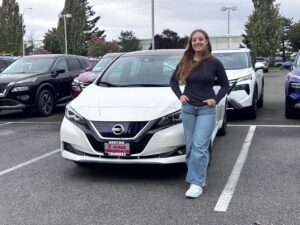
Erika Clyde Morford
Ephrata, WA
Driving is one of the most dangerous everyday activities, yet it is often taken for granted. Each year, thousands lose their lives in car accidents, many preventable with proper education and experience. Driver education plays a critical role by preparing individuals to handle real-world scenarios skillfully. However, formal driver’s education alone is insufficient. Extensive supervised practice in various conditions is the best way to ensure safe, responsible drivers. Parents have a crucial role in this process, shaping attitudes and behaviors that influence driving safety.
While driver’s education teaches rules and basic techniques, nothing replaces real-world experience. I was fortunate to start driving early, logging over 3,000 miles between ages 10 and 16 on country roads, back roads, and farm areas. My parents insisted I practice in rain, fog, snow, ice, and at night, ensuring I was confident and capable in any condition. These experiences prepared me to handle challenging scenarios, such as dense fog on quiet roads or navigating icy roads after a storm.
This early hands-on experience taught me to drive cautiously and responsibly long before obtaining my official license. Unfortunately, many of my peers lack such extensive preparation. They often struggle with unfamiliar conditions or make reckless decisions because of inexperience. I've witnessed friends hesitate or panic when faced with unexpected hazards, such as hydroplaning or losing control on icy surfaces. For this reason, I prefer to drive myself whenever possible because I trust my experience and judgment.
To significantly reduce driving-related fatalities, states should impose stricter licensing requirements. Young drivers should log more supervised hours in diverse conditions, not just meet a minimum requirement. Practical skills such as merging onto high-speed highways, navigating congested intersections, and adapting driving style to weather conditions should be emphasized and tested. Defensive driving courses, focused on recognizing hazards, preventing distractions, and reacting appropriately in emergencies, should also become mandatory.
Additionally, stricter penalties for reckless behaviors such as speeding, aggressive driving, and phone use while driving could significantly decrease accident rates. Many young drivers underestimate these dangers and often believe they are invincible. But confidence alone doesn't prevent crashes; distraction, impatience, and reckless behavior cause countless avoidable tragedies each year.
Beyond structured practice, parents have immense power in ensuring teens make safe choices. My parents established an important contract with me: if I or anyone I know is ever impaired, my parents will provide a ride, regardless of the time or circumstance, without questions, anger, or punishment. This agreement removes the fear many teens have of getting in trouble, significantly reducing the likelihood they’ll risk driving impaired or riding with someone who has. Additionally, our agreement includes full access to my parents' vehicles when needed. If I require a larger vehicle to safely transport friends or one better suited to weather conditions, their vehicles are always available. This support prevents me from making unsafe decisions based on vehicle limitations.
Such open, judgment-free communication is essential between parents and teens. Many accidents happen because young drivers fear parental punishment and choose riskier options. Knowing that help and safer alternatives are always available encourages responsible decision-making, even in stressful or uncomfortable situations. This extends beyond alcohol—fatigue, medication, emotional stress, or peer pressure can also impair driving abilities.
Though I've never experienced or witnessed a car accident firsthand, I have observed friends make poor driving decisions, from speeding to distracted driving. When these situations arise, I speak up and offer to drive if I feel unsafe as a passenger. Teens sometimes feel pressured to impress friends by speeding or driving aggressively. By refusing to accept unsafe behavior, I encourage others to take driving seriously.
I actively promote safe driving habits by modeling responsible behavior and advising younger drivers to get extensive practice before licensing. Many new drivers mistakenly assume driver’s education alone is sufficient. Encouraging friends to practice in various scenarios and anticipate other drivers’ actions can foster genuine confidence rather than false assurance.
Even as an experienced, responsible driver, I continuously seek improvement. Staying alert, exercising patience, and consistently learning from experiences is critical. I consciously give myself extra time to reach my destinations, reducing the temptation to speed or rush. I also remain vigilant for unexpected hazards, constantly scanning my surroundings. I believe good drivers never stop learning, and I apply this mindset every time I drive.
Driving carries immense responsibility, requiring thorough education, meaningful practice, and a commitment to safety. Driver’s education provides essential fundamentals, but extensive supervised experience is crucial for true preparedness. Drivers who see driving as a privilege rather than an entitlement better appreciate its inherent risks.
Parents greatly influence teens’ attitudes and behaviors behind the wheel. The agreement I have with my parents regarding rides without questions and vehicle availability exemplifies how parental support significantly enhances teen driving safety. Open dialogue, encouraging practice, and emphasizing safety will foster a culture of responsible driving, ultimately reducing accidents and saving lives.
Content Disclaimer:
Essays are contributed by users and represent their individual perspectives, not those of this website.

The Road to Safety: The Importance of Driver Education in Preventing Accidents
Joshua Mirabin