Redefining a Good Driver
2026 Driver Education Round 1
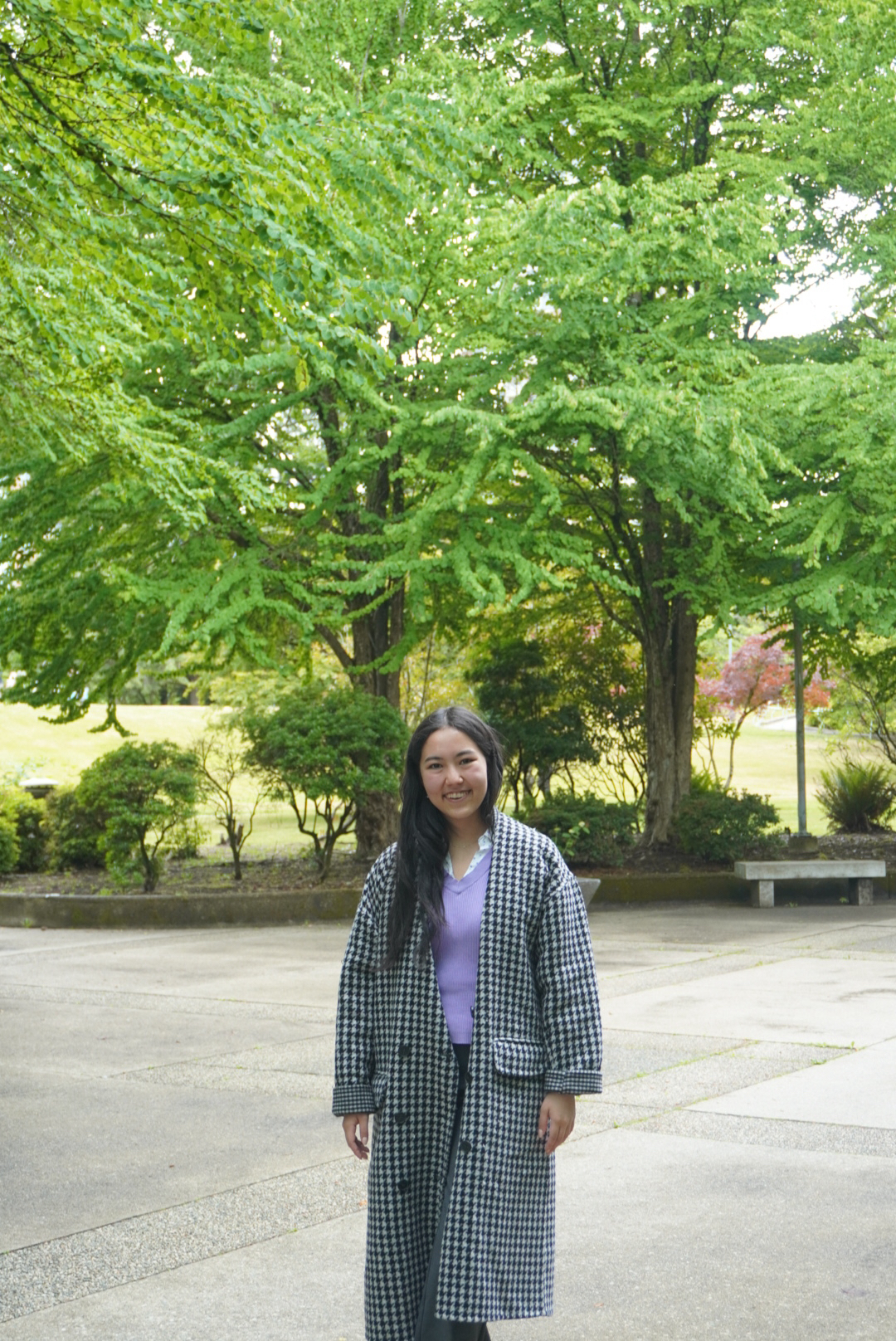
Anisabonu Abduhamedova
Vancouver, British Columbia
As a child, I measured a good driver by one simple question: Was the ride fun? By that standard, my grandfather always won. His confidence was contagious, the music was always turned up, and every drive felt like a small adventure. The scenery blurred past the windows as he accelerated down familiar roads, laughing without a hint of hesitation. My uncle was the complete opposite. Before the engine even started, everyone had to fasten their seatbelt. He obeyed every speed limit, slowed down well before turns, and never seemed to be in a hurry. To my younger self, he drove like a turtle. I thought he worried far too much.
At that age, I never questioned why the adults in my life drove the way they did. I assumed experience alone made someone a good driver. If they had been driving for years without crashing, they must have known exactly what they were doing. Safety was something I took for granted because nothing had ever gone wrong. I believed that accidents happened to reckless strangers, not to people I knew. Looking back, I realize how common that mindset is. When we have never experienced the consequences of dangerous driving, it is easy to believe they are unlikely to happen to us.
Years later, as a teenager preparing to earn my own driver's licence, I found myself paying closer attention to the world around me. News reports about fatal collisions no longer sounded like distant tragedies that happened to strangers. I noticed the white crosses and bouquets of flowers that stood quietly along highways, marking places where someone never made it home. Stories of families losing parents, children, and friends in crashes suddenly felt real in a way they never had before. During driver's education, I learned that road traffic crashes claim approximately 1.19 million lives every year worldwide, making them one of the leading causes of death among young people. Even more striking was the reason behind many of those deaths. They were rarely caused by unavoidable circumstances or mechanical failure. More often, they resulted from decisions that seemed small in the moment, such as speeding, glancing at a phone, driving while impaired, or choosing not to wear a seatbelt.
Suddenly, my childhood memories looked different.
I remembered reaching for my seatbelt one afternoon as my grandfather smiled and waved his hand dismissively.
"There aren't any cameras around here," he had said. "You'll be fine."
At eight years old, I heard freedom. At seventeen, I heard complacency.
For years, I had believed my grandfather was simply an exceptionally skilled driver. After all, nothing bad had ever happened during those rides. Every trip ended safely, and that seemed like proof enough. Now I understood something I had been too young to recognize. Our safe arrivals had never proven that his choices were safe. They had only proven that we had been fortunate. Luck had disguised itself as skill, and because I was a child, I had mistaken one for the other.
That realization stayed with me long after the lesson ended. I began replaying those drives in my mind, noticing details I had once overlooked. The speed that had thrilled me now seemed unnecessary. The missing seatbelt no longer looked rebellious or carefree. It looked like a risk taken for no reason at all. I realized my grandfather had never intended to teach me dangerous habits, but intentions do not erase consequences. Children learn by watching the adults they trust, and for years I had unknowingly equated confidence with responsibility.
It also changed the way I remembered my uncle. As a child, I had seen an overly cautious driver who drained the excitement out of every journey. As a teenager, I saw someone very different. Every time he reminded his passengers to buckle their seatbelts before shifting the car into drive, he was making a quiet promise that getting everyone home mattered more than getting there quickly. His careful driving had never been about fear. It had been an expression of respect for the people who trusted him with their lives.
This shift in perspective made me appreciate the true purpose of driver education. Learning to drive is not simply about passing a road test or memorizing traffic laws. It is about developing judgment. It teaches new drivers to recognize risks before they become emergencies and to understand that every decision behind the wheel affects not only themselves but everyone else on the road. Driver education helps replace overconfidence with awareness. It encourages drivers to think beyond what is legal and consider what is responsible.
I also realized that many collisions are preventable. While weather, road conditions, and vehicle malfunctions sometimes contribute to crashes, human behavior remains the leading factor in many fatal accidents. That means every responsible choice has the potential to save a life. Driving the speed limit gives drivers more time to react. Wearing a seatbelt greatly increases the chances of surviving a collision. Avoiding distractions, especially mobile phones, allows drivers to focus on changing traffic conditions. Never driving under the influence of alcohol or drugs protects both the driver and everyone sharing the road. These habits may seem ordinary, but their impact is extraordinary because they prevent tragedies before they occur.
Reducing the number of deaths related to driving requires more than individual responsibility. Communities, schools, and governments all have important roles to play. Comprehensive driver education should continue emphasizing defensive driving, hazard recognition, and the real consequences of risky behavior rather than treating licensing as simply another milestone. Public awareness campaigns that share the stories behind crash statistics can help people understand that every number represents someone's child, sibling, parent, or friend. Strong enforcement of impaired driving, distracted driving, and seatbelt laws reinforces the message that road safety is a shared responsibility. Improvements to road design, better lighting, protected intersections, and safer pedestrian crossings also reduce the likelihood that mistakes become fatal.
Most importantly, reducing traffic deaths requires a cultural shift. Too often, speeding is admired as confidence, multitasking behind the wheel is normalized, and experienced drivers assume that accidents happen only to others. We should instead celebrate the drivers who consistently make safe choices, even when no one is watching. Responsible driving should never be viewed as boring. It should be recognized as an act of care for every person who shares the road.
Although I have never been involved in a serious car accident, witnessing irresponsible driving within my own family has had a lasting impact on me. I am grateful that those moments ended safely, but I no longer mistake fortunate outcomes for good decisions. Those experiences taught me that dangerous habits can become normalized when they are repeated often enough without immediate consequences. They also reminded me that speaking up about safety is sometimes uncomfortable, but remaining silent can be even more dangerous.
As I prepare to become a licensed driver, I want to build habits that reflect the kind of driver I hope to be for the rest of my life. I will always wear my seatbelt before the vehicle begins moving, regardless of how short the trip may be. I will keep my phone out of reach so it never becomes a distraction. I will respect speed limits, remain attentive to changing road conditions, and avoid driving when I am tired, impaired, or emotionally distracted. I also want to continue learning beyond the licensing process by reflecting on my experiences and recognizing that becoming a safe driver is an ongoing responsibility rather than a one-time achievement.
Equally important, I hope to influence those around me. If I notice someone preparing to drive distracted or without wearing a seatbelt, I want to have the confidence to speak up respectfully. I want to encourage younger family members to develop safe habits from the very beginning instead of learning through close calls or tragedies. Small reminders may seem insignificant, but they can change someone's decision at the exact moment it matters most.
Looking back, I realized the best driver had never been the one who made the ride unforgettable. It was the one who made sure everyone lived to remember it.
That lesson has reshaped how I think about driving and responsibility. Every time someone gets behind the wheel, they are entrusted with lives, including their own. Skill matters, but character matters just as much. Patience, humility, and good judgment are qualities that cannot be measured by how quickly someone reaches their destination. They are measured by whether everyone arrives safely. If more drivers embraced that mindset, driver education would become more than a requirement for earning a licence. It would become the foundation for a culture where every safe decision, no matter how ordinary it seems, helps ensure that more people make it home.
Content Disclaimer:
Essays are contributed by users and represent their individual perspectives, not those of this website.