Release the Brakes
2025 Driver Education Round 2

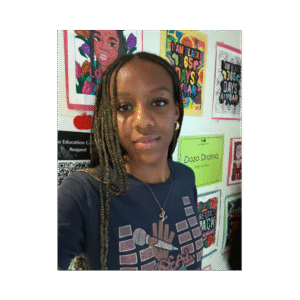
Eunice Zeade
Fort Washington, MD
I haven't driven yet. I've always been what people jokingly call a "princess passenger," and the thought of being behind the wheel is daunting. That fear started when I was eleven, after my dad got into a car crash. We didn't hear from him for days, and it wasn't until we tracked down what hospital he was in that we knew he was okay. That moment stuck with me. Ever since then, being in a car has felt heavy. When I was younger, I used to sit with my older sister and pretend I was a race car driver, never turning the keys, just holding the wheel and imagining I was in control. But reality hit thought differently. Driving isn't just about power. What scared me the most is knowing that you can do everything right and still get hit by someone who was easily distracted on their phone. That thought stays with me not just when it comes to driving, but in life.
I'm learning in driving school to pay attention to everything - not just the road, but also your surroundings, your car, and yourself. Rushing doesn't help. Being careful and prepared is what keeps me steady, even when the world isn't. Schools can integrate workshops that teach not only driving skills but also emphasize the dangers of distracted and reckless driving. Communities can organize awareness campaigns aimed at parents and young drivers, making sure that safe driving remains a priority by collectively taking these steps.
One of the biggest challenges teen drivers face today is peer pressure. Sometimes, it's unintentional; just having friends in the car can make a driver feel the need to speed, blast music, or ignore basic rules to appear "cool." Another significant challenge is phone usage. Even a glance at a text can become a deadly distraction. Social media notifications, changing the music, or taking a quick picture can divert attention at the worst possible moment. Teens also struggle with a lack of experience; they haven't encountered enough real-life driving situations to react with confidence. To overcome these challenges, it's essential to set boundaries early, such as silencing phones and limiting passengers during the initial months of driving.
Driver's education should be more than just understanding signs and signals; it should encompass the idea that every drive is a gamble, not only with your own life but also with everyone else's too. This crucial education should begin long before the keys are ever in our hands. Being a good driver truly starts with being a smart, attentive passenger who recognizes the importance of safety and awareness. It involves understanding the dynamics of the road, potential hazards, and the responsibility we have towards others. This foundation fosters a more profound sense of respect and caution, ensuring that when the time comes to take the wheel, we are prepared to make responsible choices behind the wheel.
If I had one wish, I would wish for our courses to incorporate not only the reasons and tools for safe driving, but also an entire lesson, individual day(s) on the whole aftermath of such accidents. Of course, there are lessons and a brief overview of the aftermath of accidents themselves, as well as the emotional toll it has on families. No, I want classes that are structured around those accidents, and what I mean by "structured" is that they should cover specific topics. I want not only to understand our actions and the severe consequences behind them, but I also want to honor the families torn apart by the actions of said reckless drivers, maybe even, if possible, the parents and or guardians, of said drivers to give statements and advice to new and upcoming future drivers to understand the other side of an accident.
I want those stories to be carried on by the grief of families, as I laid out. I want future drivers to understand the implications and, better yet, the prevention/ deterrence of any reckless behavior. And yes, that is already part of every teacher's curriculum, but what I want is for students to understand how every little action contributes to an accident.
I haven't driven a mile yet, yeah, not even an inch out of my driveway. But when I do, I'll remember that the road is never empty. It's full of choices, and the ones I make could save a life, maybe even my very own. When I do drive, I'll stay focused, alert, and always mindful of every decision that lies ahead, knowing it matters greatly.
Content Disclaimer:
Essays are contributed by users and represent their individual perspectives, not those of this website.