Respect the Road, Respect Life
2026 Driver Education Round 2
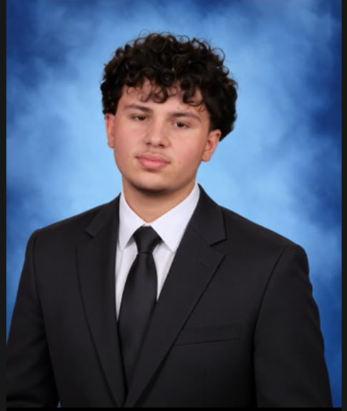
Hisham Aljeroudi
Orlando, FL
A Lesson My Mom Taught Me About Driving
When I was 16 years old, my mom started teaching me how to drive. I was excited because driving meant becoming more independent and having more freedom. Like most teenagers, I looked forward to the day when I could drive myself to school, visit friends, and go places without always needing someone to take me. But before I could enjoy that freedom, my mom taught me something I will never forget. She told me, “A car is like a weapon because it can be extremely dangerous if you don't use it responsibly.” At first, I thought she was just reminding me to be careful. As I learned more about driving, I realized how important her words really were.
During my first driving lessons, I was focused on learning how to control the car, use the mirrors, stop correctly, and follow traffic signs. There were so many things to remember that sometimes I had to concentrate on one thing at a time. My mom reminded me to stay calm, pay attention, and never rush. She also explained that driving was not just about knowing how to operate a vehicle. It meant being responsible for my actions and understanding that other people depended on drivers to make safe decisions.
One thing she wanted me to understand was that I would never be the only person on the road. There are parents taking their children to school, people going to work, teenagers driving to class, and families traveling together. Everyone has somewhere to go, but everyone also deserves to get there safely. If I speed, use my phone, or ignore a traffic sign, I could hurt someone who did nothing wrong. I could even change an entire family's life because of one careless decision. When I think about it that way, I understand why driving is such a serious responsibility.
I believe driver education is important because it helps people understand the risks before they experience a dangerous situation themselves. Learning the rules is necessary, but drivers also need to understand why those rules matter. Wearing a seat belt, following speed limits, checking blind spots, and keeping a safe distance from other cars are simple habits that can prevent serious accidents. Driver education also teaches people how to react when something unexpected happens, such as a car stopping suddenly or heavy rain making the road slippery. The more prepared drivers are, the better decisions they can make.
Another problem is distracted driving. Today, many people are constantly checking their phones, answering messages, or looking at notifications. It might seem harmless to glance at a text for a second, but a lot can happen in that short amount of time. A pedestrian could cross the street, a traffic light could change, or the car in front could suddenly stop. No message is worth risking someone's life. I have learned that when I am driving, my attention needs to be on the road, not on my phone or anything else that can wait.
I also think driver education is especially important for teenagers because getting a license can make us feel more confident than we should. Sometimes young drivers might want to impress their friends, drive too fast, or show that they are not afraid of taking risks. But being a good driver does not mean driving fast or acting like nothing can happen to you. It means knowing your limits and making smart choices, even when your friends are not making the same choices. I would rather arrive a few minutes late than take a risk that could hurt me or someone else.
My mom's advice also made me think about the people I share the road with. I do not know the names of the drivers beside me, and I may never meet their families, but that does not make their lives any less important. Every person has people who love them and expect them to come home safely. I would never want someone else's careless decision to hurt my family, so I should give other people the same respect. Being responsible behind the wheel is one way to show that respect, even to people I have never met.
I believe parents and schools can help make roads safer by teaching young people about the real consequences of dangerous driving. It is important for teenagers to understand that accidents are not just statistics or stories on the news. Behind every serious accident, there may be a person who gets injured, a family that loses someone they love, or a life that changes forever. Learning about these consequences can encourage young drivers to take traffic laws seriously and think before acting.
Now, when I remember learning to drive at 16, I realize my mom was teaching me more than how to use a car. She was teaching me to think about others, control my decisions, and take responsibility for my actions. I know I will not always be able to control what other drivers do, but I can control how I behave on the road. I can stay focused, be patient, follow the rules, and avoid unnecessary risks.
Driver education can help reduce traffic deaths because it teaches people that driving is a privilege, not a game. A car gives us freedom, but that freedom comes with responsibility. My mom's words will always remind me that I am not just responsible for getting to my destination. I am also responsible for the choices I make along the way and for respecting everyone who shares the road with me. To me, that is what being a responsible driver truly means.
Content Disclaimer:
Essays are contributed by users and represent their individual perspectives, not those of this website.