Right Is Not The Same As Safe
2026 Driver Education Round 2
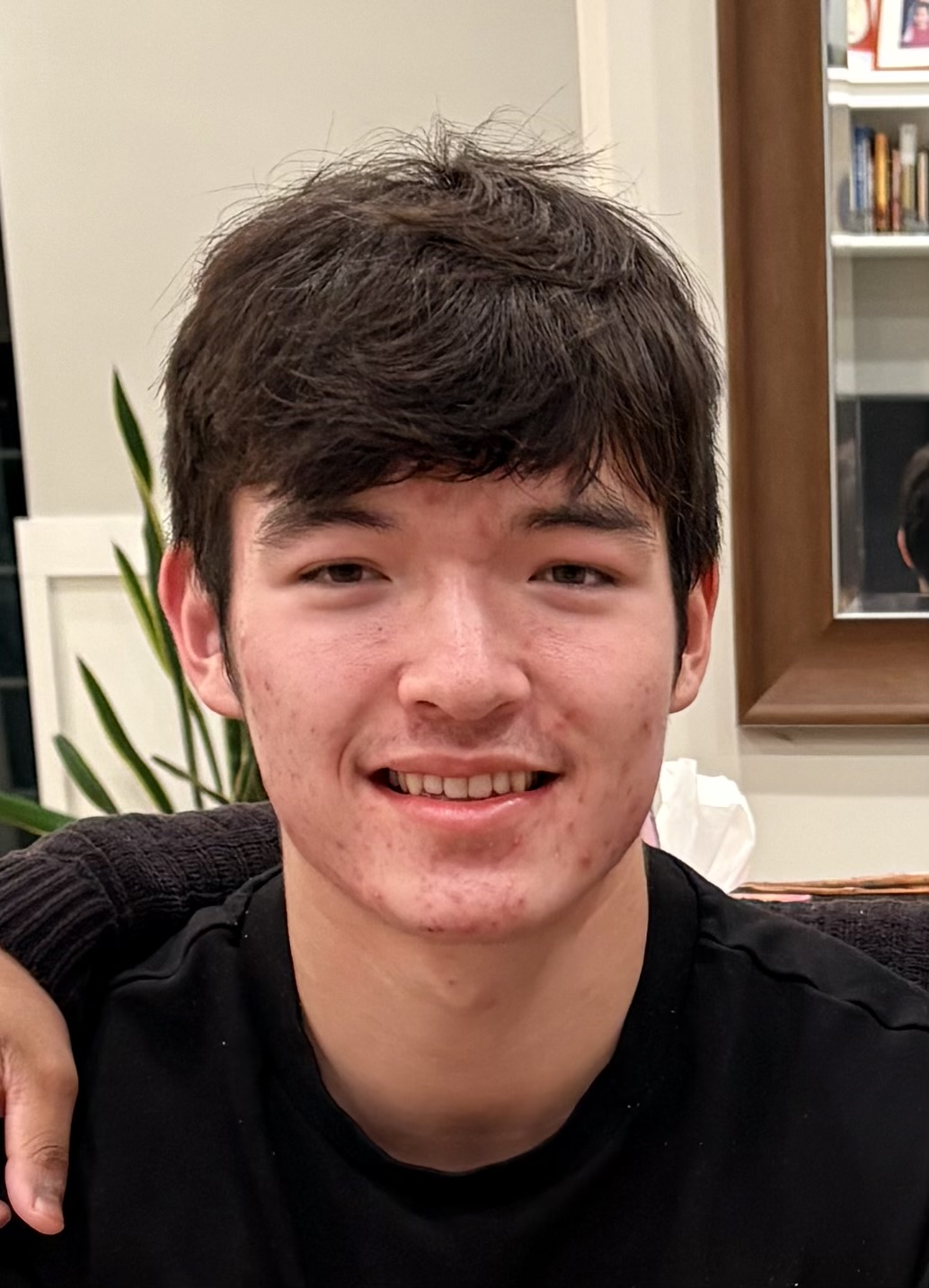
Ethan Hauger
Philadelphia, Pennsylvania
In the Driver’s Seat: Right Is Not the Same as Safe
This August, I was driving straight down a two lane street when a car pulled out of a parking lot and drove directly into the side of my car. Nobody was hurt, which I am still grateful for. My car was badly damaged. The other driver was clearly at fault, and he had no insurance. The police told us our only option was to take him to court, have his license suspended, and force him to pay for the damage. My family decided not to. He was struggling financially and needed to drive to earn a living, and taking away his license would have taken away his income. We are paying for the repairs ourselves.
Being right did not protect my car, and it would not have protected me if he had been going faster. Since that day I keep asking myself one question: even though it was not my fault, what could I have done to prevent it?
That question matters far beyond my own car. This contest points out that about 34,000 Americans die each year as a result of driving, more than all the American soldiers who died in Iraq and Afghanistan combined. The National Highway Traffic Safety Administration estimates that 17,140 people died in crashes in just the first six months of 2025. That is close to enough people to fill the Wells Fargo Center, where the Sixers play, twice every year. Nearly as many Americans die on our roads each year as die from guns, and I have spent years working against gun violence. I cofounded The Reforge Project, which turned illegal firearms into a Microphone for Peace, and I spoke at the United Nations about what illegal guns do to my community. Cars rarely get that kind of urgency, because driving feels normal. That normalcy is exactly what makes it deadly.
I took a driver’s course at Learn to Drive before I got my license, and it gave me a foundation in the rules of the road. The crash showed me why that foundation matters, and why driver education has to go beyond rules to teach anticipation. The evidence backs this up. A University of Nebraska study followed more than 150,000 teen drivers over eight years and found that teens who skipped driver’s education were 75 percent more likely to get a ticket and 24 percent more likely to be in a crash that caused injury or death. Teen crash rates are highest between ages 16 and 18, so those lessons arrive exactly when they matter most.
When I replay that day, I think about what defensive driving asks of a driver. Treat every parking lot exit and driveway as a place a car might suddenly appear. Ease off the gas and cover the brake when passing one. Watch the front wheels of a car waiting to pull out instead of trusting that its driver sees you. I may not have been able to avoid that crash. But I can drive so that the next person’s mistake has less chance of becoming my emergency.
The Nebraska study also found that girls and higher income teens were more likely to take driver’s education in the first place. That detail stopped me, because I have seen this pattern before. Pennsylvania does not require driver’s education, and many districts dropped it years ago to save money, leaving families to pay private driving schools. At my Title I high school in West Philadelphia, many of my classmates could not afford paid SAT prep courses, so I tutored them myself. I suspect plenty of them could not afford private driving lessons either. I do not know the whole story of the man who hit me, but I know that safety in this country often depends on what you can pay for, whether that means insurance or training. When safety costs money, the people with the least end up carrying the most risk.
So the first step I would take to reduce driving deaths is to make driver education free and available in every public high school. Philadelphia has started. The School District launched a pilot driver’s education program for its career and technical education students, and state legislators from Philadelphia have proposed a grant program to help schools offer it. Both deserve to grow.
Second, we should keep investing in what we already know works. After Philadelphia installed speed cameras on Roosevelt Boulevard in 2020, speeding violations there dropped 95 percent and deaths on the Boulevard fell by nearly 40 percent. Citywide, traffic deaths fell 26 percent last year, from 120 in 2024 to 89 in 2025, the largest one year drop since Philadelphia’s Vision Zero program began. Even so, Philadelphia still loses about nine people per 100,000 residents to traffic, compared with fewer than three in New York City. More cameras and safer street design would protect people that no single careful driver can protect alone.
Third, technology companies should share the responsibility. I study technology and hope to work in AI governance, and one thing I have learned is that our phones are not neutral. Notifications are engineered to feel urgent, and that design does not pause when we are driving. Driving modes exist, but most people have to set them up and remember to use them. If phones switched into driving mode automatically whenever they detected a moving car, millions of small temptations would disappear overnight.
I also have to be honest about my own driving, because the crash was not my fault but my habits are my responsibility. My worst habit has been my phone. Not texting, usually, but things that feel harmless: changing the song, glancing at a notification, checking a message at a red light and telling myself that stopping makes it fine. It does not. I also sometimes get in the car with my mind somewhere else entirely. My phone can be face down and I can still be distracted. After August, I understand that a distracted second is exactly the second I would need to react.
Now I do a few specific things. My phone goes on Do Not Disturb and into the back seat before I start the car. I set my music before I shift into drive. When my head is crowded, I sit for sixty seconds before turning the key and ask myself whether I am actually ready to drive. And whenever I pass a parking lot or driveway, I slow down and watch for the car that might not be watching for me.
I also want to help others the way I know best, by teaching. I tutored through Math Corps, and I tutored classmates for the SAT because good preparation should not depend on what a family can pay. I want to bring that same approach to driving by organizing free study sessions for younger students preparing for their learner’s permit test. I would build them around what I wish every new driver knew: what the statistics actually say, how distraction really works, and how to drive as if other drivers might make a mistake, because sometimes they will.
The crash in August was not my fault. Preventing the next one is still my job.
Content Disclaimer:
Essays are contributed by users and represent their individual perspectives, not those of this website.