Road Safety as a Personal and Social Contract
2026 Driver Education Round 1
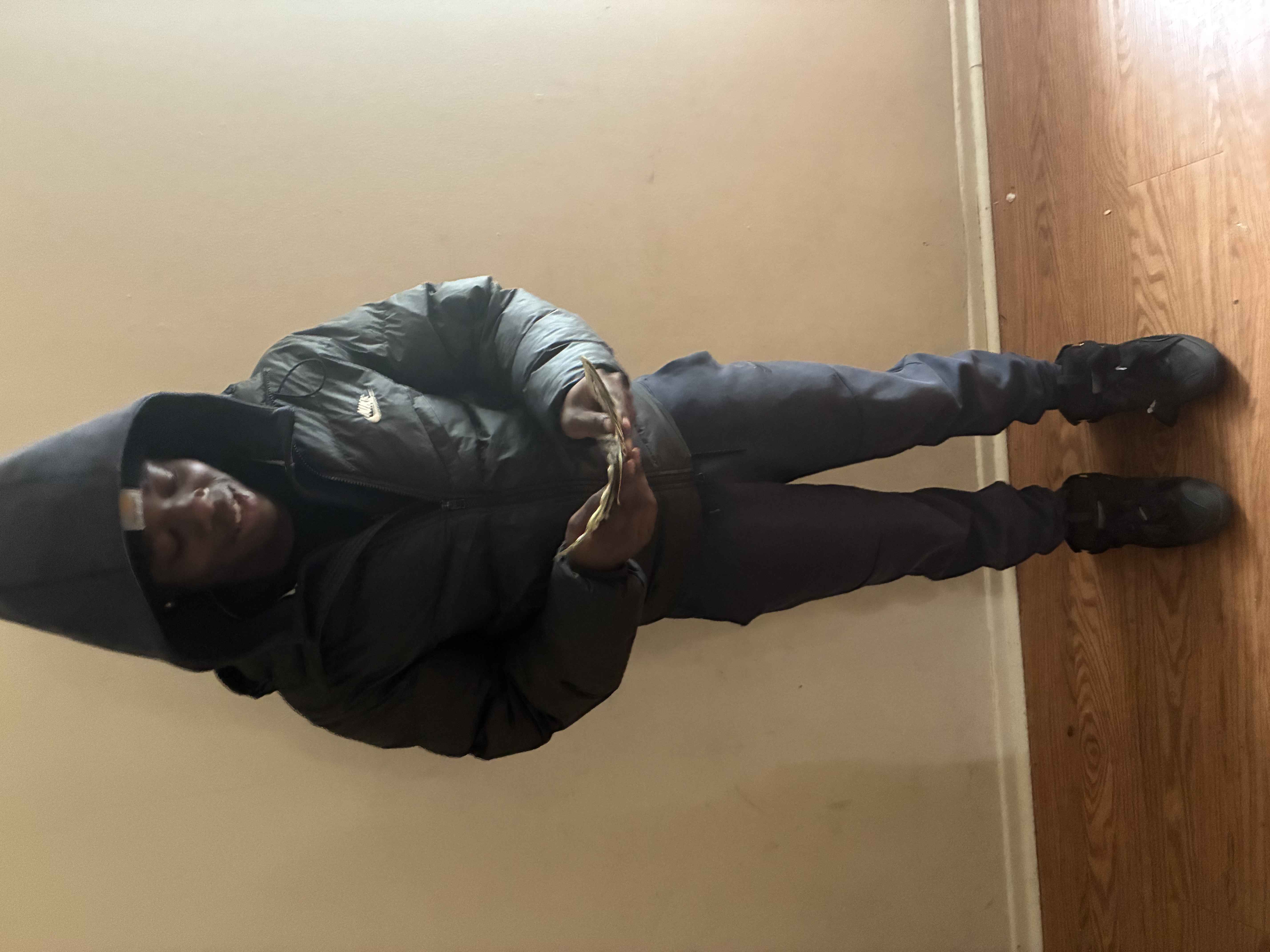
Jaleil calvert
Ann Arbor, Mi
For most teenagers, turning sixteen is the most anticipated milestone of high school. It represents a transition from being a passenger who has to ask for rides to being a driver with a sense of total independence. Growing up, I always viewed the driver’s seat as a place of freedom a way to explore the world on my own terms. However, after going through the process of driver’s education and actually getting behind the wheel, my perspective has shifted significantly. I have come to realize that the keys to a car are not just a tool for freedom; they represent a massive responsibility. Driving is essentially a social contract, an unspoken agreement between myself and every other person on the road that we will behave predictably and safely to protect one another’s lives.
During my time in driver’s education, I started to see the world through a much different lens. As a passenger, you don’t really notice the fine details of how a road works. You don’t think about the physics of a two-ton machine moving at fifty or sixty miles per hour, or how much a split-second delay in braking can change a life forever. One of the most eye-opening parts of my classes was learning about stopping distances. Seeing the actual math of how far a car travels after the driver hits the brakes was a reality check. It made me realize that a car is a powerful machine that requires constant respect. It isn’t a place to hang out or a lounge; it is a vehicle that demands 100% of my mental and physical attention at all times.
The biggest challenge facing my generation of drivers is undoubtedly the constant presence of distractions. We live in a world where we are expected to be connected at all times, and the urge to check a notification, look at a map, or change a playlist is a hard habit to break. However, when I am in the driver’s seat, I have to make a conscious choice to put those habits aside. For me, being a safe driver means more than just following the speed limit. It means putting my phone in the glove box or setting it to "Do Not Disturb" before I even pull out of the driveway. It means realizing that no text message or social media update is worth the risk of an accident. I have learned that looking down for just three seconds while driving at highway speeds is like driving across a football field with my eyes closed. That is a terrifying thought, and it’s a risk I am not willing to take.
Beyond just phones, there are other distractions that people don't often talk about. Having a car full of friends can be just as dangerous as using a cell phone. As a 10th grader, I know how much fun it is to drive around with friends, but I also know that loud music and fast-paced conversations can take my focus away from the road. Part of my commitment to safety is setting boundaries with my passengers. I want them to know that when they are in my car, their safety is my priority, but that requires them to help me stay focused on the task of driving.
Furthermore, driving has taught me a lot about empathy and community. When you are on the road, you aren't just driving your own vehicle; you are sharing space with parents taking their kids to soccer practice, elderly people going to doctors' appointments, and students walking home from school. Every time I use my turn signal, check my blind spot, or maintain a safe following distance, I am showing respect for their lives. Being a "good" driver isn't about having the best technical skills or being the fastest; it’s about being the most patient and the most aware of the people around you. It is about understanding that everyone on the road wants to get home safely to their families.
Another aspect of safe driving that I’ve learned to appreciate is the importance of vehicle maintenance. A safe driver isn't just someone who follows the rules; it’s someone who ensures their vehicle is in good working order. Checking tire pressure, making sure lights are working, and ensuring brakes are responsive are all parts of being a responsible owner. If my car isn't safe, I am a hazard to others regardless of how well I drive. Taking care of these small details shows a level of maturity that is required for anyone behind the wheel.
I also believe that safe driving is a way to give back to my community. When teen drivers take safety seriously, we help change the negative stereotype that we are all reckless or inexperienced. By staying focused and following the laws, I am helping to keep the streets of my town safer for everyone. This scholarship would help me continue my education and reach my future goals, but the lessons I have learned in driver’s ed will stay with me for the rest of my life. These lessons have taught me discipline, focus, and the importance of looking out for the "other guy" on the road.
In conclusion, getting a driver’s license is one of the first real tests of adulthood and maturity. It requires a level of responsibility that goes far beyond just passing a written exam or a road test. It is a daily, active commitment to making the right choices, even when no one is watching and even when it might be inconvenient. As I move forward in my life, I plan to keep the lessons of responsibility and community safety at the front of my mind every time I start the engine. The freedom of the road is a huge privilege, and I intend to treat it with the respect it deserves by being a focused, patient, and responsible driver for as long as I am behind the wheel. Learning to drive has taught me that my actions have consequences that reach far beyond myself, and I am ready to take on that challenge.
Content Disclaimer:
Essays are contributed by users and represent their individual perspectives, not those of this website.