Road Safety Before the Crash
2026 Driver Education Round 2
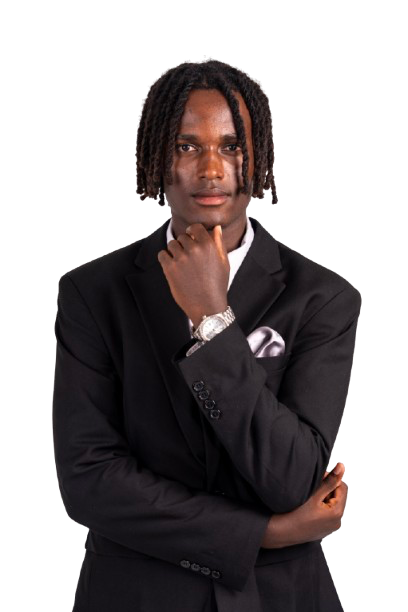
Ricardo Morales
Elmhurst, IL
Ricardo Morales
Road Safety Before the Crash
I was driving in the snow with my siblings in the car when I felt us start to slide off the road. We were lucky, and I know it could have ended much worse. My siblings had trusted me to get them where we were going, and that's the part I keep coming back to. Now I think less about the slide itself and more about everything that came before it. I could have checked the road conditions and asked whether the trip could wait. If it couldn't, I could have slowed down earlier and left more room between my car and the one ahead, the way the National Highway Traffic Safety Administration advises. That night showed me how quickly the road can take away the control I thought I had.
In 2024, 39,254 people died in traffic crashes in the United States, according to NHTSA. Driver education can help bring that number down. Good instruction teaches people what to look for and gives them supervised practice before they have to make those decisions alone. An instructor might ask a student approaching an intersection what they can see, and what a parked car might be hiding. They might ask how the student would change their speed and following distance once the pavement turns slick. Over time, questions like these build the habit of spotting trouble early enough to do something about it. That kind of judgment doesn't come from a textbook. It comes from practice.
The way we license new drivers can give them room to build that judgment. Graduated driver licensing starts with supervised driving and grants independence in stages. During the intermediate stage, restrictions can keep new drivers out of the riskiest situations, like driving late at night or with a car full of young passengers. The Centers for Disease Control and Prevention cites research linking these systems to about 21 percent fewer fatal crashes among 16-year-old drivers. Families can build on that by practicing on different kinds of roads and talking through mistakes afterward. A parent might ask what made a turn hard to judge, then drive back to that same corner and try it again together.
Some of the simplest safety steps happen before the car even moves. NHTSA reports that 3,208 people died in 2024 in crashes involving distracted drivers. Before I pull out, I set my route, turn on Driving Focus and put my phone where I can't reach it. If I miss a turn, I keep going until there's a safe place to pull over. I ask everyone to buckle up, including friends in the back seat. I've also chosen to stay sober, and being the sober friend lets me help others figure out how they're getting home. Sometimes that means giving someone a ride when I'm able to drive safely. Other times it means helping set one up before we go out. That conversation is a lot easier at the start of the night than at the end, when everyone is tired and just wants to leave.
Cities have choices to make too, and those choices affect both whether a crash happens and how bad it is. The Federal Highway Administration's Safe System approach starts from two facts: people make mistakes, and speed decides how badly someone gets hurt when they do. Near a campus, a raised crosswalk can get drivers to slow down right where students cross. Better lighting can help a driver see someone waiting at the curb after dark. Students who use a difficult crossing every day notice things officials might miss, and they can tell the university or the city what they see. A report that names the intersection, the time of day and the turn that causes the conflict gives officials something specific to investigate.
As a freshman at Howard University, I help lead group runs through Washington, D.C. When I plan a route, I pick crossings with good visibility and tell everyone where we'll regroup if the light changes while the group is halfway across. That way the last runner can wait for the next signal instead of rushing to catch up. In the car, I look out for my friends by speaking up when something feels unsafe. If the driver reaches for a phone to change the route, I'll say, "Hand it to me. I'll pull up the directions." If someone who's been drinking wants to drive, I'll be direct and help find another ride. Interrupting a friend can feel awkward, especially in a car full of people. But if I speak up early, there's still time to make a safer choice.
I still think about how lucky I was to come away from that drive in the snow with only a lesson. The next time my siblings are in the car, I want them to see me give myself time to make good decisions. If the weather is bad, we'll leave later. If I miss a turn, we'll take the next one. If a group is crossing the street, we'll wait until the last person reaches the curb. Getting there a little later is something all of us can live with.
Works Cited
Centers for Disease Control and Prevention. “Graduated Driver Licensing System Planning Guide.” 28 July 2025.
National Highway Traffic Safety Administration. “Trump’s Transportation Department Announces Record-Low Traffic Deaths & Fatality Rates in 2025.” 1 Apr. 2026.
National Highway Traffic Safety Administration. “Winter Weather Driving Tips.”
Content Disclaimer:
Essays are contributed by users and represent their individual perspectives, not those of this website.