Safe Driving: A Responsibility That Can Save Lives
2026 Driver Education Round 2
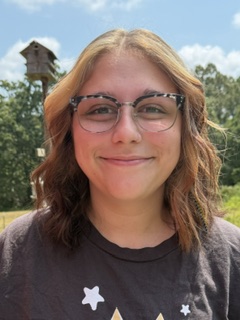
Teagan Burrow
Horseshoe Bend, Arkansas
DMVEdu.org
Driver Education Round 2 Scholarship
Teagan Burrow
7 November 2026
Safe Driving: A Responsibility That Can Save Lives
Driving is something many of us do every day without giving much thought to the responsibility that comes with it. We get in the car, buckle our seatbelts, and head to work, school, appointments, or wherever life takes us. However, driving is more than simply getting from one place to another. It requires awareness, patience, good judgment, and an understanding that our decisions can affect the lives of others. I take my driving privileges seriously because being a responsible driver is not just about protecting myself. It is also about protecting my passengers, other motorists, pedestrians, and even animals that may cross my path.
Living in northern Arkansas, I understand that driving conditions can present challenges that are different from those experienced in larger cities. In rural areas, we frequently encounter winding roads, limited street lighting, narrow shoulders, farm equipment, changing weather conditions, and wildlife. Deer crossing the road, especially during certain times of the year, can create unexpected hazards. Longer travel distances and fewer available routes also mean that drivers must remain alert and prepared for changing conditions. These are everyday realities for people living in communities such as Horseshoe Bend and throughout the surrounding area.
I believe many driving-related injuries and deaths can be prevented or reduced through better decisions and safer driving habits. Not every accident is avoidable, but distracted driving, speeding, impaired driving, and failing to wear a seatbelt can increase the likelihood of serious consequences. Sometimes, the difference between a minor accident and a life-changing tragedy comes down to a decision made in just a few seconds. Recognizing that responsibility is something every driver should take seriously.
One of the simplest habits I practice every time I get into a vehicle is wearing my seatbelt. It may seem like a small action, especially when traveling a short distance, but I believe there is no such thing as a trip too short to make safety optional. I also make an effort to remain aware of the drivers around me, maintain a safe following distance, adjust my speed to road and weather conditions, and watch for animals near the roadway. Living in a rural community has taught me that hazards are not always predictable. Being cautious and allowing myself enough time to react can make a significant difference.
I also believe driver education should be an ongoing commitment rather than something that ends after passing a driving test. Completing driver's education courses provides important foundational knowledge, but continuing to learn reinforces safe habits and helps drivers recognize risks they may not have considered before. Traffic laws, vehicle technology, road conditions, and safety recommendations can change. Taking the initiative to stay informed demonstrates a commitment to personal responsibility. I believe this is especially important for younger drivers who are still developing confidence and judgment behind the wheel. Learning how to recognize dangerous situations, avoid distractions, respond to unexpected hazards, and understand the consequences of poor decisions can help establish habits that last a lifetime.
Another part of safe driving is recognizing that we share the road with people who may not make the same choices as we do. We cannot control whether another driver is distracted, speeding, or driving aggressively, but we can control our own reactions. I believe defensive driving means expecting the unexpected, avoiding unnecessary risks, and choosing patience instead of reacting emotionally to other drivers. It also means understanding that arriving a few minutes earlier is never worth putting someone's life in danger.
I feel that experienced drivers have a responsibility to set a good example for younger generations. Teenagers and new drivers often learn by observing the driving habits of parents, relatives, and other adults. If we expect young people to wear seatbelts, avoid cell phones, obey speed limits, and make responsible decisions, those expectations should be reflected in our own behavior. Safe driving should be something we demonstrate, not simply something we tell others to practice. Encouraging young drivers to take education seriously and understand the responsibility that comes with operating a vehicle can help build safer habits for the future.
Ultimately, I view driving as a privilege that comes with a responsibility to protect myself and everyone around me. I make a conscious effort to wear my seatbelt, remain cautious of other drivers and animals, participate in driver's education, and continue learning about ways to improve my safety on the road. I cannot prevent every possible accident, but I can make choices that reduce unnecessary risks. My hope is that more drivers will recognize that safe driving is not about following rules simply to avoid a ticket. It is about valuing human life and understanding that every person on the road deserves to arrive at their destination safely. One responsible decision at a time can make a difference, and sometimes the smallest precautions are the ones that matter most.
Content Disclaimer:
Essays are contributed by users and represent their individual perspectives, not those of this website.