Safer Driver
2026 Driver Education Round 2
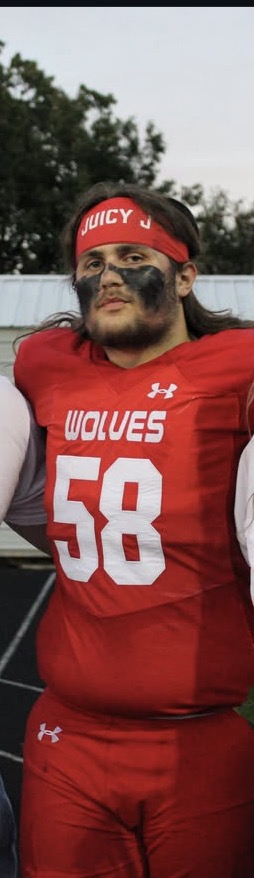
Jayden Stevens
Kimberling City, MO
Being a safer driver starts before I put the car in gear. If I’m running late, looking for directions, or answering a text, part of my attention is already somewhere else. Once I’m on the road, I’m responsible for what happens while I’m behind the wheel. That means making choices ahead of time that help me stay focused, paying attention to the people around me, and speaking up when I see someone I care about taking an unnecessary risk.
The first thing I can do is put down my phone. It’s easy to tell myself I’ll only glance at a notification, especially if I’m expecting a message from a friend or family member. But one glance can turn into reading the whole message or trying to send a quick reply. Before I leave, I can turn on Do Not Disturb, set my directions, and put my phone somewhere I won’t be tempted to reach for it. If I need to respond or change my route, I can pull over somewhere safe. When someone rides with me, I can ask them to handle the music or give me directions.
I also need to remember that my phone is only one thing that can distract me. Reaching for something I dropped, trying to open food, or getting too caught up in a conversation can all take my focus away from driving. If I drop something, I can leave it until I’m parked. If my friends are getting loud while I’m trying to merge or find a turn, I can ask them to give me a minute. It might feel awkward to interrupt a conversation, but it’s a lot easier than trying to listen while making a decision in traffic.
Paying attention to my surroundings means looking beyond the car directly in front of me. I can watch for brake lights farther ahead, check my mirrors regularly, and check my blind spots before changing lanes. In a neighborhood, I can slow down and watch for children near the street, people walking their dogs, and cars backing out of driveways. At an intersection, I should look for pedestrians and cyclists before I turn. If a parked vehicle blocks my view of a crosswalk, I can slow down enough to give myself time to see whether anyone is about to step out.
I can also make better decisions about how fast I drive and how much space I leave. When it’s raining or getting dark, I may need to slow down because I can’t see as far ahead. Leaving more room between my car and the one in front of me gives me time to react if the other driver brakes suddenly. Giving myself extra time to get somewhere helps, too. If I’m already late, speeding or following someone too closely will only add stress to the drive. I can let someone know I’m running behind before I leave and focus on getting there safely.
Helping others become safer starts with what I do when I’m a passenger. I can offer to read directions, answer a message for the driver, or wait until they’re parked to show them something on my phone. If a friend reaches for their phone, I can say, “I can get that for you.” If they keep looking down or driving in a way that makes me feel unsafe, I can ask them to pull over. Speaking up might feel uncomfortable, especially when I’m with friends, but I would want someone to say something if my driving made them feel unsafe.
I can set an example outside the car, too. If I know a friend is driving, I can wait to text them or make it clear that I don’t expect a reply until they arrive. When people ride with me, I can make sure everyone buckles up before we leave. I can also be patient with other drivers. If someone needs to merge, I can give them room. If someone cuts me off, I can back off and restore a safe distance instead of speeding up because I’m frustrated.
The habits I build on ordinary trips are the ones I’ll rely on when something unexpected happens. A short drive to school or the store still gives me a chance to practice putting my phone away, looking ahead, and giving other people room. The more consistently I do those things, the easier it will be to stay focused when I’m tired, in a hurry, or riding with friends. I can’t make every decision for the people around me, but I can make sure my own choices give everyone a better chance of getting home.
Content Disclaimer:
Essays are contributed by users and represent their individual perspectives, not those of this website.