After the Car Stops
2026 Driver Education Round 2
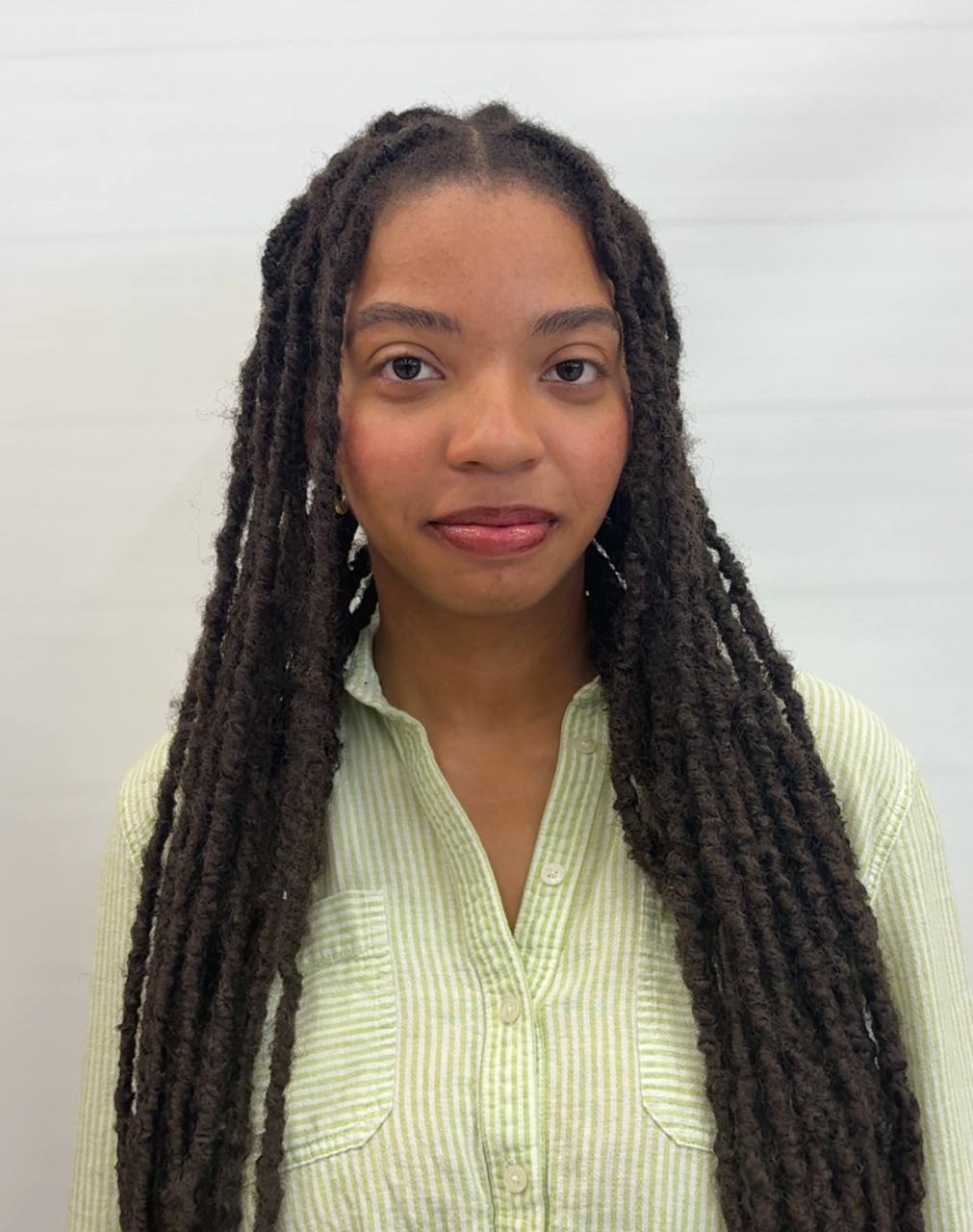
Jillian Guye
Atlanta, Georgia
The back of our Jeep had slipped over the edge of a steep slope, but the front wheels still held the ground. Inside, my mother, my siblings and I waited to find out whether they would keep holding. It had been an ordinary school afternoon in St. Croix. Rain was falling, and my mother had been struggling with an umbrella before coming around to unbuckle us. Then the Jeep began rolling backward. Her attempts to stop it failed. By the time it came to rest, we were suspended between the road we had just left and the drop beneath us. We prayed while we waited for the fire department. I was too young to drive, but old enough to understand that none of us could simply open a door and go home.
Firefighters helped us out safely. Later, the same Jeep carried us into another crash when its brakes failed. We rolled down our hill, crossed the street, broke through a neighbor’s fence, and finally stopped between his house and a tree. I remember the helplessness of being carried backward when everyone inside wanted to stop. Both crashes involved mechanical problems, not distracted driving. That distinction matters. I cannot blame a phone for what happened to us, but those experiences taught me to take a vehicle’s condition seriously and never assume that a familiar trip is a safe one.
Years later, working as a Certified Nursing Assistant, I began to understand how far a crash can reach beyond the road. I cared for a young resident whose injuries had left him largely confined to bed and dependent on others for daily care. Another driver’s reckless actions had changed the course of his life. He struggled with movement, vision, memory, and coordination. Things many people do without thinking required help. His life had once included work and independence; now much of it unfolded around the care he needed.
As I helped him, I thought about how close we were in age and how differently our days looked. I could finish a shift and leave. He could not get up and decide to do the same. The damaged vehicle was no longer in front of him, but the crash still shaped his mornings, his relationships, and his ability to care for himself. That is what I wish more people pictured before taking a risk behind the wheel. The possible loss extends far beyond a car. Someone may survive and spend years rebuilding a life that no longer feels like their own.
Driver education should make those consequences understandable before a young person faces them. Learning signs and rules matters, but students also need practice recognizing a developing hazard, judging distance, and responding without panic. They need to understand why speed limits, following distance, and attention matter, rather than memorize answers long enough to pass an exam. My childhood experiences make me especially interested in the lessons that can receive less attention: noticing a problem with a vehicle, taking warnings seriously, and understanding when it is unsafe to continue driving.
I would also like driver education to include people who live with the aftermath of crashes. A survivor, a family member, or a caregiver can explain what a warning on a classroom screen leaves out. Hearing how an injury changes getting dressed, going to work, or spending time with children could make a student think differently about the person in the next lane. These conversations should respect survivors’ privacy and willingness to share. Their lives deserve more consideration than being used for a frightening presentation.
Reducing deaths also requires making safe choices easier outside the classroom. Schools can reinforce seat-belt use and arrange conversations about sober transportation before celebrations. Families can agree that calling for a safe ride is better than getting into a car with an impaired driver. Communities can push for safer crossings and clearer road markings where people repeatedly encounter danger. Drivers, meanwhile, have to accept that arriving late is preferable to speeding, and that feeling confident does not mean being alert. Education loses its purpose if we leave its lessons behind as soon as someone hands us a license.
For myself, I want safety to begin before I move the car. That means setting directions beforehand, putting my phone out of reach, and allowing enough time that I am not trying to recover a late start on the road. I will take fatigue seriously, keep up with vehicle maintenance, and pay attention when something feels wrong. Remembering our Jeep makes it difficult to dismiss a mechanical concern as something to deal with another day. I also want to be a passenger who speaks up. Asking someone to slow down or put away a phone can feel uncomfortable, especially when that person is older or more experienced. I would rather have that conversation than wish afterward that I had.
I cannot undo either childhood crash or restore the independence my resident lost. As a future Physician Assistant, I hope to help people recover from injuries, but my responsibility to others begins long before I enter a clinic. It begins when I decide whether I am rested enough to drive, whether a message can wait, and whether I will take a concern seriously. I still remember the relief of standing on solid ground after firefighters helped us out. Everyone sharing the road deserves the chance to get out of a car and continue the life they had planned.
Content Disclaimer:
Essays are contributed by users and represent their individual perspectives, not those of this website.