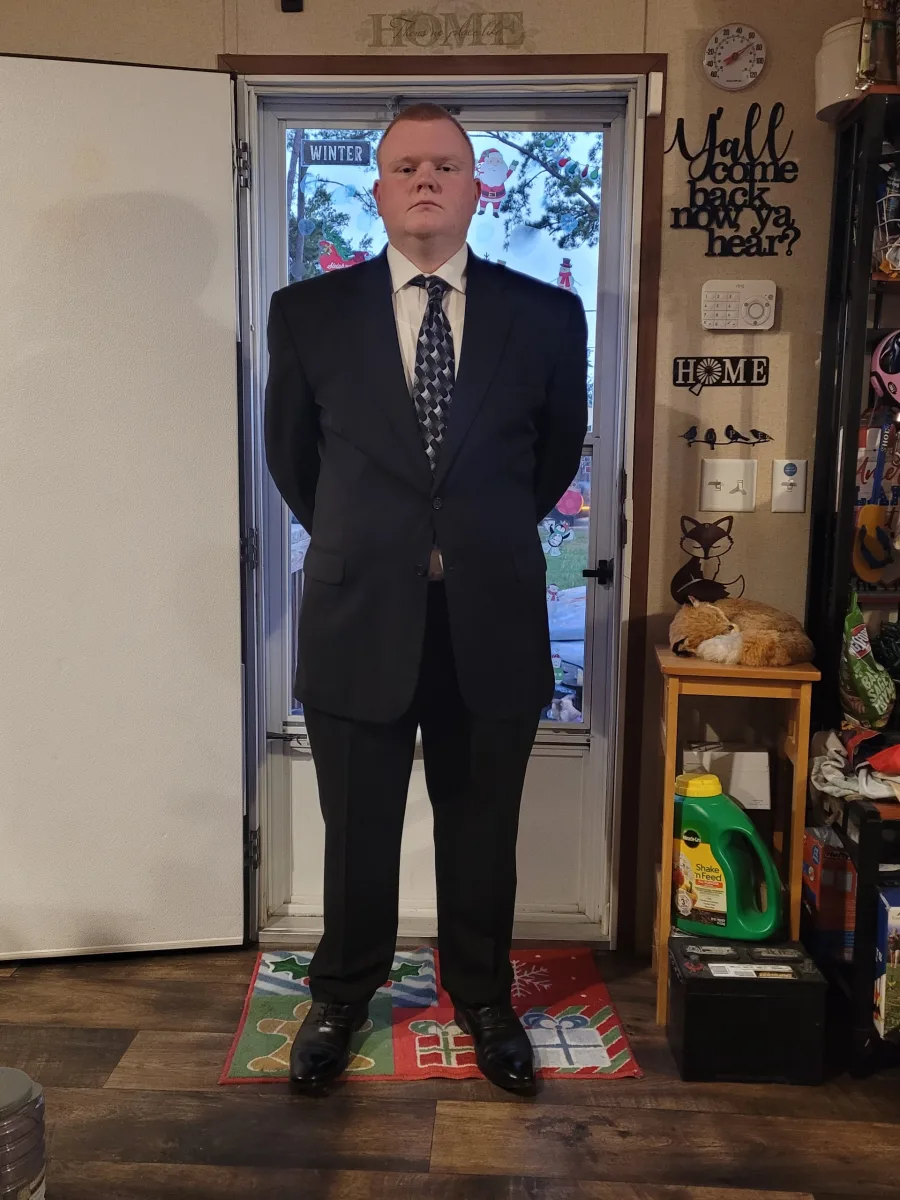
Safety Is a Habit, on the Job Site and on the Road
2026 Driver Education Round 2

Moses Andre
Barrie, Ontario
My workday starts before the sun comes up. I work full time in residential construction in Barrie, Ontario, and most mornings I am in my 2009 Pontiac G3 heading to a job site while it is still dark. In the winter that drive can mean snow squalls off Lake Simcoe, black ice on back roads and highway traffic that does not slow down nearly as much as it should. On a construction site, safety is something we talk about every single day. On the road, where the risk is just as real, most people barely think about it. That gap is the reason I believe driver education matters so much.
Driver education reduces deaths because it changes how people see the risk. In Canada, close to 2,000 people are killed on the roads every year, and in the United States the number is in the tens of thousands. Almost nobody gets behind the wheel thinking they will be part of that number. When I took my Drive Wise course, the most useful part was not learning the rules. It was learning how quickly things go wrong: how long it actually takes to stop on a wet or icy road, how much a two-second glance at a phone really costs at highway speed, and how a driver's blind spots hide a cyclist or a merging car. Before that course, I thought being a good driver meant not breaking the law. After it, I understood that being a good driver means expecting the unexpected and leaving room for other people's mistakes. Education turns statistics into habits, and habits are what protect you on an ordinary Tuesday morning when you are tired and running late.
There are clear steps that would reduce driving deaths. The first is more and better training, especially for new drivers and especially for winter conditions, which kill people every year in places like Ontario. Graduated licensing helps, but practice in real conditions with a good instructor helps more. The second is taking distraction seriously. Phones need to be out of reach, not just out of hand, and drivers need to understand that hands-free is not the same as attention-free. The third is speed. Most of the worst crashes I hear about on local news involve someone going far too fast for the conditions. Lower speeds in bad weather and around work zones save lives, and as someone in construction, I think about the crews standing a few feet from traffic. Finally, vehicles need to be maintained. Worn tires, bad brakes and burnt-out lights turn small mistakes into serious ones. I drive an older car and do a lot of my own maintenance, so I know how easy it is to put off a repair and how important it is not to.
I have not been in a serious accident, but I have seen plenty of irresponsible driving. On Highway 400, I regularly see drivers weaving through traffic at well over the speed limit, people tailgating in snow where no one could stop in time, and drivers at red lights looking down at their phones and rolling forward when the light changes. I have also seen people my age treat driving like it is no big deal, speeding to show off or texting while they drive. Usually nothing bad happens, but that is exactly the problem. When nothing happens, people decide the risk is not real. It only takes one time to prove them wrong.
So what can I do to be a safer driver and help others be safer too? For myself, it starts with the same mindset I use at work. On a job site, I would never climb onto a roof without being tied off, because I have my Working at Heights training and I know what a fall can do. I try to treat driving the same way. My phone goes in the console before I start the car. I leave earlier so I am never rushing to a job site. In winter, I slow down well below the limit when the roads are bad, keep extra distance, and clear all the snow and ice off my car instead of just a little window in the windshield. I keep up with my tires and brakes even when it is inconvenient.
Helping others is mostly about speaking up. If I am a passenger and the driver is on their phone or going too fast, I say something, even if it is awkward. When I give friends a ride, I make it normal to drive carefully. Peer pressure works in both directions: if young drivers see their friends taking safety seriously, they are more likely to do the same. When I start university next fall, I will be one of the older students in my program after my gap year, and I want to be the friend who offers to drive when someone has been drinking and who takes the keys when it matters.
Construction taught me that safety is not a rule you follow once. It is a habit you practise every day so that everyone goes home at the end of the shift. The road deserves the same respect, because every driver on it is trying to get home too.
Content Disclaimer:
Essays are contributed by users and represent their individual perspectives, not those of this website.