Seeing the Road Through a Nurse's Eyes
2026 Driver Education Round 2
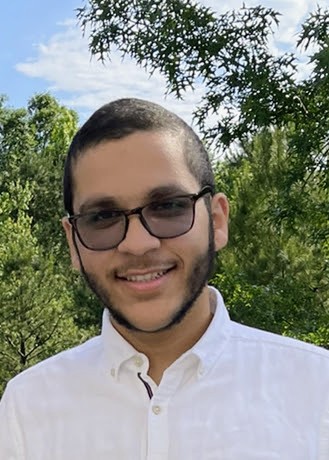
Hamza Moamen
Jackson, New Jersey
Every year in this country, roughly 34,000 people die in car crashes. That number is so large that it is easy to read past it. I think about it differently because of the work I do. I started working in healthcare at sixteen, first as an EMT and later drawing blood in the emergency department, placing IVs, and working as a medical assistant. Today I am finishing an accelerated nursing degree at Thomas Edison State University, with clinical rotations at Cooper University Hospital in Camden. After I graduate, I plan to work in the ICU and eventually become a nurse anesthetist. When I see a statistic about traffic deaths, I do not picture a chart. I picture a trauma bay, a family in a waiting room, and a nurse trying to find the right words.
That is why I believe driver education matters so much. Most crashes are not caused by bad luck. They come from choices: looking at a phone, driving tired, speeding to make up a few minutes, or getting behind the wheel after drinking. Driver education is one of the few times in life when we can reach a new driver before those habits form. A good course does more than teach someone how to parallel park or pass a written test. It teaches reaction time, following distance, how weather changes stopping distance, and what really happens to a human body at highway speed. When new drivers understand that a car is a heavy machine moving faster than the body was ever built to handle, they start to treat it with more respect.
I also think driver education works best when it is honest about consequences. In healthcare, we are trained to explain risks plainly so that patients can make good decisions. Driver education should do the same. Young drivers often believe that a crash is something that happens to other people. Showing them real data, real stories, and the long recovery that follows a serious injury can change that belief. A crash that someone survives can still mean months of surgery, rehabilitation, missed school or work, and pain that never fully goes away. Those outcomes deserve as much attention as the fatalities.
There are several steps that could reduce the number of deaths related to driving. The first is making phones less of a temptation. Many phones now have a driving focus mode that silences notifications automatically, and I think new drivers should be taught to turn it on before they ever leave the driveway. The second is stronger graduated licensing, where new drivers build experience with limits on night driving and passengers before they get full privileges. The third is better road design, such as clearer crosswalks, roundabouts, and lighting, because people make mistakes and roads should be built to forgive them. The fourth is consistent enforcement of seat belt, speed, and impaired driving laws. Seat belts alone save thousands of lives every year, and they cost nothing to use.
As for my own experience, anyone who drives regularly in New Jersey sees irresponsible driving almost every day. I live in Jackson and my clinicals have taken me to Camden, so I spend a lot of time on busy highways. I regularly see drivers weaving between lanes, following far too closely, or holding a phone low in their lap while they drift across the line. Every time, I think about how one small lapse could put that driver, or someone else, into the same emergency rooms where I have worked. Those moments remind me that safe driving is not a private choice. Everyone on the road is affected by the decisions of the drivers around them.
To be a safer driver myself, I try to follow a few simple rules. My phone goes face down and silent before I start the car, and if I need directions, I set them before I pull out. After long clinical days or late study nights, I am honest with myself about how tired I am, because drowsy driving can be as dangerous as impaired driving. I leave earlier so I am not tempted to speed, and I keep a real following distance even when traffic is heavy. These habits are not complicated, but they only work if I use them every single time.
I also want to help others become safer. As a future nurse, I will have countless chances to talk with patients and families about seat belts, car seats, and the dangers of driving while tired or distracted. I can also lead by example with the people closest to me. When I am a passenger, I can offer to handle the navigation or answer a text so the driver can stay focused. Small actions like these make safe driving feel normal instead of awkward.
The goal of driver education is not to make people afraid of driving. It is to make them aware. If every new driver left their course understanding that every trip carries real responsibility, I believe we would see fewer families in hospital waiting rooms. I want to spend my career caring for people at their most vulnerable, but I would much rather see fewer of them arrive there because of a crash that never had to happen.
Content Disclaimer:
Essays are contributed by users and represent their individual perspectives, not those of this website.