Someone Expects You Home
2026 Driver Education Round 2
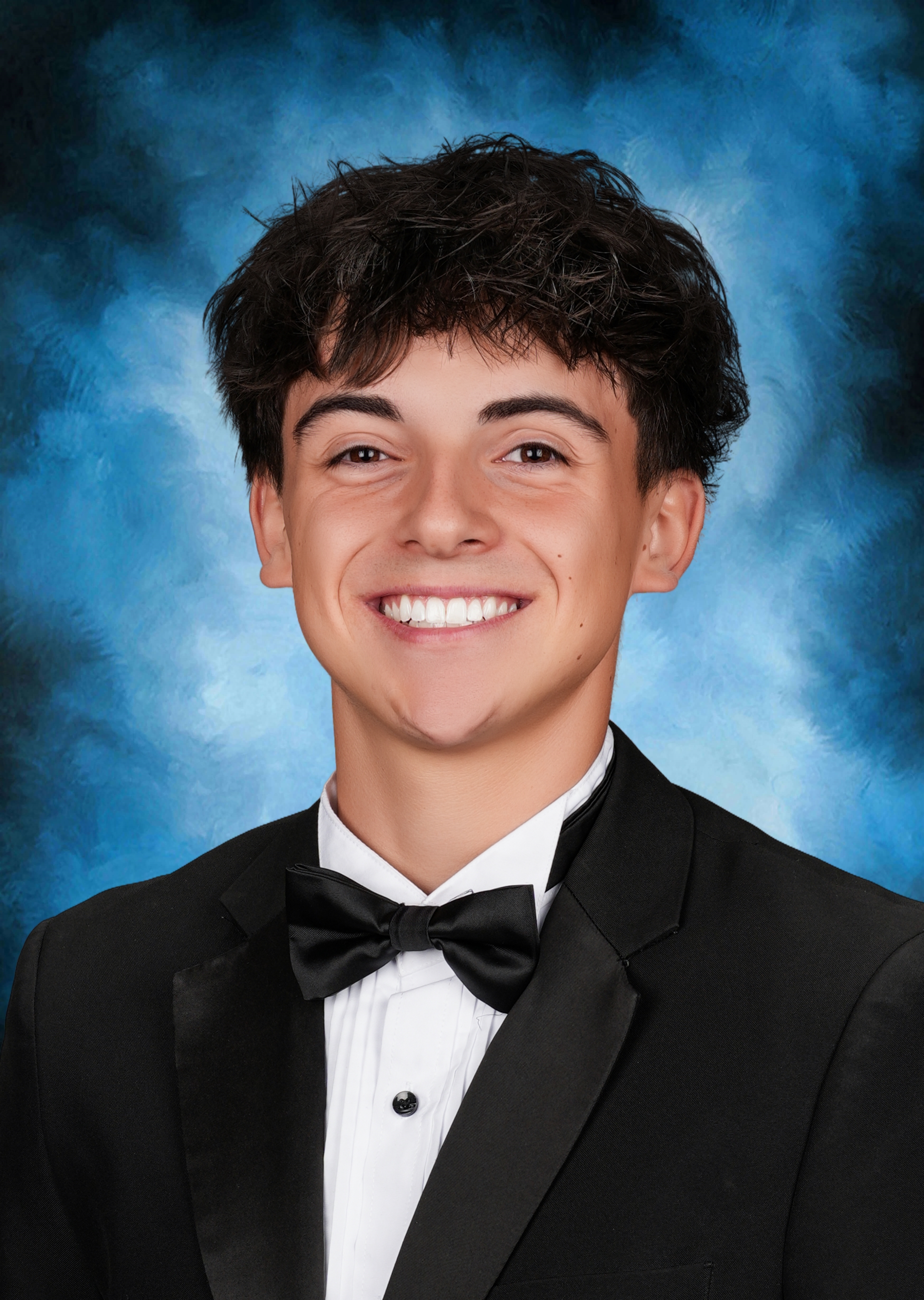
Kaden Garza
Cypress, TX
The son they were talking about was my age. That was the part I couldn’t stop thinking about. While I was looking forward to graduation and figuring out what came next, John's family was living with the fact that he would never have those opportunities. Their son had died in a crash involving a distracted driver while not wearing a seatbelt. Sitting with them and hearing about their loss made the consequences of unsafe driving feel closer than any warning I had heard before.
I knew distracted driving was dangerous before that conversation. I had heard the reminders about putting down my phone and paying attention. But knowing something is dangerous and seeing what it has taken from a family are two different things. I've never personally been in a crash, but as I sat and listened to them speak of losing John, I kept thinking about my own parents. I thought about how they expect me to come home whenever I leave and how easily someone else’s decision, or my own, could change that.
That experience changed how I think about driver education. Learning to drive should mean more than passing a test or knowing how to park. It should prepare us to make responsible decisions when nobody is there to remind us. An instructor can teach us what a stop sign means, but we also need to understand why looking away for a few seconds or speeding because we are late can have consequences we can never undo.
For teenagers, that lesson matters because getting a license comes with a freedom we haven’t had before. We can drive ourselves to school, meet friends, and go places without depending on our parents. It is easy to focus on that independence and overlook the responsibility that comes with it. Good driver education helps connect the two. It teaches us to recognize hazards, leave enough room to stop, adjust to weather, and understand that being comfortable behind the wheel does not mean we can stop being careful.
The family I met also showed me why real experiences belong in those lessons. Facts can explain the risks, but hearing someone talk about the person they lost makes those risks personal. Their son had a family, a future, and people who expected more time with him. I think more young drivers need opportunities to hear those stories before a crash affects someone they know.
This past year, I took that information and made two driving safety videos that reached 40,000 local students and community members. I wanted to use something people my age already pay attention to, such as videos, to encourage safer choices behind the wheel. Making them gave me a way to take what I had learned and share it beyond one conversation.
I cannot know how many people changed their habits after watching. Still, I believe reaching that many people created opportunities to make a difference. Someone might remember the message when their phone lights up while they are driving. Someone else might buckle up or ask a friend to slow down. Those choices may seem small at the time, but they are the choices that can help someone make it home.
Reducing deaths on the road takes that kind of everyday effort, along with strong driver education and enforcement of traffic laws. We need to wear seatbelts on every trip, follow speed limits, drive sober, and stay off the road when we are too tired to focus. We also need to stop treating distractions as harmless just because they are common. Changing music, checking a notification, or turning around to talk to a friend can pull our attention away when we need it most.
It also matters what we do as passengers. Speaking up can feel uncomfortable, especially when a friend is driving and everyone else seems fine with what is happening. But asking someone to put down a phone is a lot easier than wishing later that we had said something. We can offer to handle directions or even reply to a message for them. Helping someone drive safely should be a normal part of looking out for each other.
For me, being a better driver means making those decisions before I start the car. I can put my phone out of reach, set my directions, make sure everyone is buckled, and give myself enough time so I am not tempted to rush. I can also keep learning and take corrections seriously instead of assuming that having a license means I know everything.
I want to continue creating safety videos and encouraging people my age to think about the responsibility they have behind the wheel. I also know my own actions have to match that message.
When I think back to meeting that family, I remember that John was my age. He should have had more time. I cannot change what happened to him, but I can carry that conversation into the choices I make and the messages I share. Every time I drive, someone is expecting me home. Everyone sharing the road with me deserves the chance to get home, too.
Content Disclaimer:
Essays are contributed by users and represent their individual perspectives, not those of this website.