Someone Is Waiting for You
2026 Driver Education Round 2
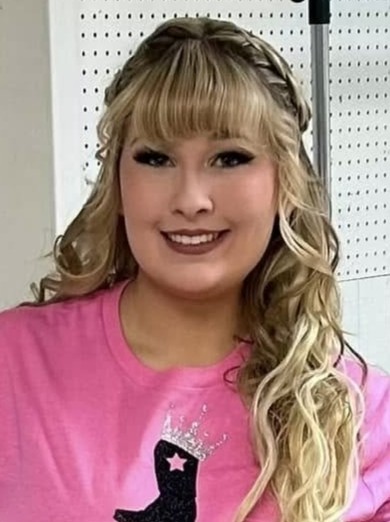
Piper Moffett
GEORGE WEST, TX
Freedom. Independence. Opportunity. Those are what I think about when I think about driving. It is a great milestone and a great form of independence for a young adult and one with many new responsibilities and opportunities. Freedom comes with great responsibility, the lives of the passengers we're carrying in our cars and the lives of everyone else on the road with us.
A significant portion of the reduction in roadway fatalities comes from driver education because driver education isn't just about driving. Driver education is about learning the traffic safety laws, hazards, awareness, safe and sound choices, and defensive driving, but more than anything else, driver education is about how to teach students that the majority of crashes are preventable. The hazards of distracted, intoxicated, and reckless driving should be addressed.
I have a very personal perspective when I say I know what it is to be a safe driver. Even before I was born, my dad's sister was killed in a DUI rollover. I didn't get to know her, but as a kid, I was told stories about her from my parents and grandparents about how much she was loved, and how much of an impact her life had on the people in her life. Those stories are what made me realize to be a safe driver, and the unimaginable consequences one decision can cause an entire family.
Fortunately, I've never been in an auto accident myself. I realize how much that is so tempting when new drivers come around: our distractions quickly become habits. The #1 distraction for a driver is definitely a message, call, or alert on his/her cell phone, the urge to avert a gaze even for a split second is too much to resist. We can all rationalize fiddling with our GPS to navigate an unfamiliar route or changing the radio station or a conversation in the car, but there's just not a message or status on earth that's more compelling than human life.
I believe that deaths from distracted driving are preventable by education and accountability. Driving education programs should include more lessons and responsibility on the consequences of impaired and distracted driving, so that students and their families can understand the devastating emotions of those who have lost loved ones on the road. Schools can spearhead a youth awareness campaign where students, via social media, posters, videos and personal accounts, educate peers about the dangers of distracted driving. Holding drivers accountable with the passengers' responsibility of calling out or confronting a distracted driver can also eliminate the behavior. We need to build a culture of responsible driving.
In the end, I want to be a safer driver and will always make the decision to drive responsibly when I get in my car. I will enable Do Not Disturb While Driving on my phone, drive distraction free by setting navigation and music before I leave, and keep my phone out of reach when I'm driving. I will educate myself on how to be a defensive driver by keeping plenty of space in between me and the car in front of me, being aware of my surroundings, following all posted speed limits, and being aware of other drivers' potentially erratic decisions while driving. I will find a safe place to park should I need to answer a call or text or change music, and I want my friends and family to hold me accountable for driving safe and responsibly, and I also want to be a safe passenger and have the guts to speak up when others don't drive responsibly.
In majoring in Communication Design, I would like to showcase my creativity and my knowledge to motivate others, this time not about my drinking habits! I have always loved visual storytelling and I know that design is such a strong communication tool and can influence the thoughts, emotions and behaviors of others. I want to create road safety campaigns through eye-catching videos, imagery and graphics that actually make a difference to young drivers.
My aunt's story taught me that you never know who you are riding with, they could be someone's dad, brother, sister, mother or father. What I will do with my life and when I get behind the wheel is not going to change what happened to my family, but I can do something to make sure that my story is not repeated and that no other family has to go through what my family is going through. Driving is a privilege not a right, and the choices we make when we are behind the wheel can make the difference.
One email, one text, one notification, one moment of convenience is not worth a life. All of us have a right to go home.
Content Disclaimer:
Essays are contributed by users and represent their individual perspectives, not those of this website.