Stopping at the Red Light
2026 Driver Education Round 2
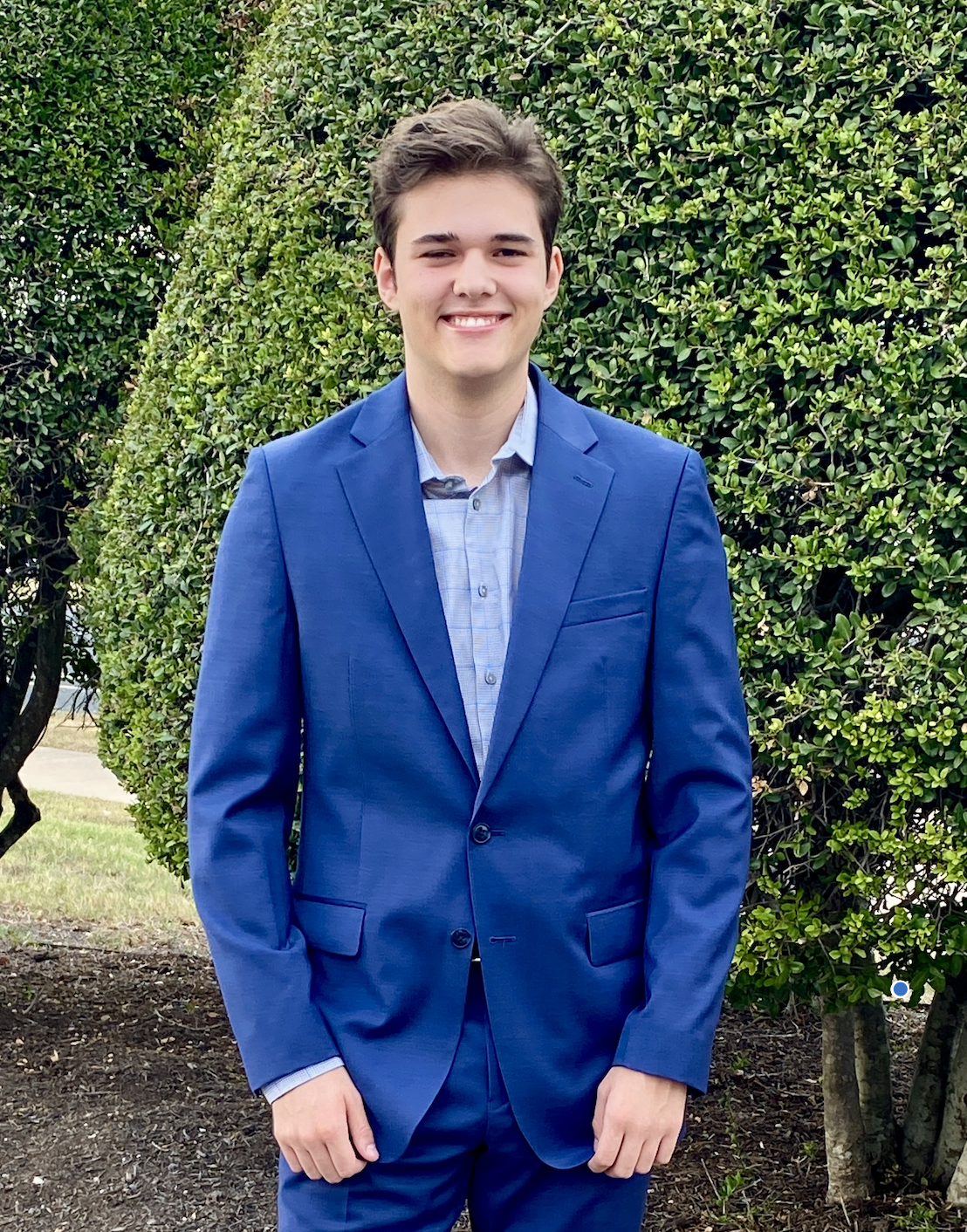
Andrew Eldridge
Austin, tx
My dad and I were laughing in the back of a rideshare while we waited at a red light. There wasn't any traffic backed up in front of us. We were the only car sitting at the light when another driver came off the freeway and hit us from behind. The driver had been looking at a phone. I'd seen people do that plenty of times before, usually when someone sat through a green light until the car behind them honked. I always thought it was annoying, but being on the receiving end of that distraction was something different. Our rideshare driver had stopped exactly where he was supposed to, and there was nothing he could have done to prevent the collision. Our plans for the day were canceled, but the consequences for him were much worse. His car was how he earned a living, and suddenly he couldn't use it to work. I also remember how shocked the driver who hit us looked. A few seconds of looking at a phone had caused problems for everyone involved, including the person who made the mistake.
My aunt was seriously injured in a separate accident when another driver hit her vehicle without braking. She suffered a brain bleed, which made that crash especially frightening for our family. We don't know why the other driver failed to stop, so I wouldn't automatically blame distracted driving. What both accidents showed me was how little control you have over another person's decisions behind the wheel. I've been taught to follow traffic laws and pay attention, but those things don't guarantee that everyone around me is doing the same. That's one reason I think driver education should go further than preparing students to pass a test. Learning the rules is necessary, but I'd like to see more attention given to recognizing dangerous situations before they become accidents. A student might know exactly what to do at a stop sign but still have no idea how to respond when the car ahead suddenly brakes or another driver behaves unpredictably. I think that kind of judgment develops through practice, and driving instruction should make more room for it.
I also think new drivers need a better understanding of what happens when they take their eyes off the road. Most teenagers already know they're not supposed to text and drive. They've heard it from their parents, teachers, and probably every driving instructor they've had. But knowing something is dangerous doesn't always stop people from doing it. I would like to see driver education courses demonstrate how far a vehicle travels while someone looks at a message. It's easy to convince yourself that checking a phone for a few seconds won't matter, especially when you've driven the same route many times. Actually seeing how much ground a car covers during that time might make students think twice. I would also want schools to invite people who have experienced serious accidents to talk about what happened afterward. My aunt's injury wasn't something our family could put behind us once the vehicles were cleared from the road. And our rideshare driver had to deal with losing the car he depended on for work. These are the consequences I wish more young drivers understood before getting their licenses.
I believe Texas could also do more about phone use while driving. The state already restricts reading, writing, and sending electronic messages, but phones can distract drivers in other ways. Someone scrolling through social media isn't necessarily sending a text, yet they're still looking away from traffic. I'd support a broader restriction on holding and using phones while operating a vehicle, with reasonable exceptions for emergencies. I don't think drivers should have to figure out whether a particular use of their phone technically counts as texting. The expectation should be to leave it alone until you're safely parked. I understand that stronger laws won't prevent every accident. Even with better enforcement, drivers will still make mistakes. But when a problem is as avoidable as looking at a phone, I think it's reasonable to expect people to change their habits. I'd also like parents to take this seriously because younger drivers notice what adults do. It's difficult to convince a teenager that checking a message is dangerous if they've watched their parents do it at stoplights for years.
Since becoming a driver, I've tried to make paying attention automatic rather than something I have to remind myself about. I set my directions before leaving so I don't have to search for an address while I'm moving. I also try to anticipate what other people might do, especially around intersections. I live in a busy neighborhood, and I regularly notice pedestrians stepping into crosswalks without looking up from their phones. I can't assume they've seen me just because they have the responsibility to look before crossing. The same goes for drivers who might not notice traffic slowing ahead. I try to leave enough distance that I have time to react instead of depending on everyone else to make the right decision. I also think passengers should be willing to speak up. If I'm riding with someone who starts looking at a phone, I'd rather ask them to put it away than sit there hoping nothing happens. I can handle directions or answer a message for them if it's important. I know that telling someone else how to drive can feel uncomfortable, especially if they're older than you, but I've experienced what can happen when someone doesn't pay attention.
I don't expect every driver to be perfect, and I know I'll continue learning as I get more experience on the road. What bothers me is how often people take unnecessary chances because they've gotten away with them before. I still remember laughing with my dad at that red light, completely unaware of the car approaching from behind. We weren't doing anything unusual or taking any risks. We were just waiting for the light to change. I think about that when I see someone glance down at a phone while driving. It only takes one time for an ordinary drive to turn into an accident, and the people who end up paying for that mistake aren't always the ones who made it.
Content Disclaimer:
Essays are contributed by users and represent their individual perspectives, not those of this website.