The Brakes Are the Most Important Part
2026 Driver Education Round 2
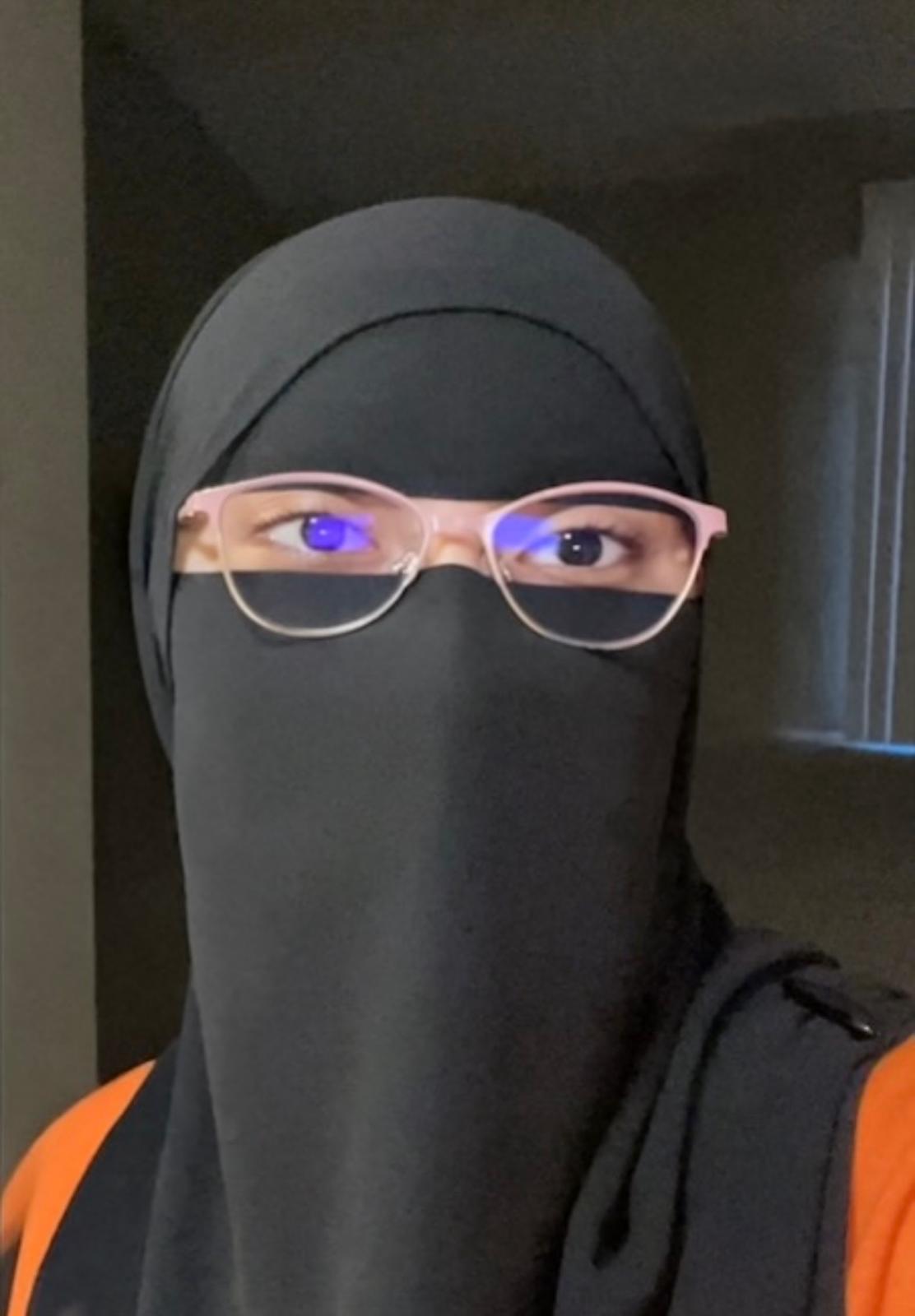
Aamna Ali
Farmington Hills, MICHIGAN
My mother taught me two things before I could ride a bike: how to stop, and why. "The brakes are the most important part of anything," she said. "Anyone can go. Not everyone knows how to stop." She was talking about bicycles that day, but she was really talking about everything, and I didn't know it then, but I was already receiving my first driver education lesson, years before I would ever touch a steering wheel. That childhood lesson is the reason I believe driver education is not a box to check before a license photo but a lifesaving discipline that must be taught early, taught well, and taught to everyone regardless of what their family can afford. The stakes are simply too high to treat it as an afterthought, because behind every statistic about driving deaths is a person who believed they had time to look away, and every one of those people was wrong.
Here is what bothers me about how we usually talk about driver education: we treat it like paperwork. Fifteen hours of classroom instruction, six hours behind the wheel, a written exam, a road test, and suddenly a teenager is "educated" and free to drive a two-ton machine at highway speeds. But you cannot certify judgment. You cannot check a box that says someone knows when to stop. The real importance of driver education is that it teaches people to operate their own attention, not just their vehicle, because the car is easy, but the human is hard. A driver who has never been taught to anticipate the cyclist in the blind spot, the pedestrian stepping off the curb, or the moment when a green light is not actually permission to go will eventually meet one of those situations. The difference between a near miss and a fatality is usually a fraction of a second of preparation. That preparation does not happen by accident; it happens because someone taught it, drilled it, and made it a habit before the stakes were real. We do not hand a child a pot of boiling water to teach them about heat, and we do not wait until they have been scalded to explain why the stove is dangerous; we teach first, we teach early, and we teach because the consequences are unthinkable. Yet we hand a sixteen-year-old the keys with a casualness we would never apply to a hot kettle, and then we wonder why the crash reports read the way they do. Driver education matters because it is the only thing standing between a young person's confidence and their competence, and when those two drift apart, people die.
I have seen exactly what happens when that lesson never lands. One day, I watched a woman pull out of the hospital parking lot where she volunteers, still in her scrubs, her stethoscope sliding off her neck, a phone balanced against her shoulder, and swing into a left turn that made the car behind her slam on its brakes. The light had been green for her, technically, but "technically" is how people get hurt, and she had spent the entire morning caring for other people while nearly needing care herself because she could not wait ninety seconds to make a phone call. What struck me was that no one had ever taught her that the danger is not the road; it is the moment you decide the road can wait. I have also ridden with friends who treat speed limits as suggestions and stop signs as decorations, and I have watched family members answer texts at red lights as if the red light were a permission slip rather than a warning. None of these people wanted to hurt anyone, and that is precisely the point: irresponsibility on the road is rarely malicious, which means it can be fixed with education, and that is why education is the most powerful tool we have.
So what steps can actually reduce the number of deaths related to driving? The first is making driver education free and universal, because safety should never depend on whether a family can afford a private driving school. Every school should offer a genuine week-long workshop for teenagers, not a PowerPoint on a rainy Friday, but real instruction in stopping distance, distraction, and judgment, taught every year starting earlier than we think we need to. The second is treating education as a starting line rather than a finish line, which means refresher courses, graduated licensing that explains the reasons behind its restrictions instead of merely imposing them, and technology that flags distraction rather than rewarding it. The third is enforcement paired with empathy, because penalties change behavior only when they are paired with understanding, and a driver who knows why the law exists is far more likely to follow it than one who only knows the fine. The fourth, and perhaps the most important, is modeling: children do not learn safety from a textbook; they learn it from watching the adults in their lives put the phone in the glove compartment before the engine turns over. If every parent, teacher, and older sibling treated driving as a responsibility rather than a right, the culture would shift faster than any law could move it.
As for me, I already know what kind of driver I intend to be once I get my license, and it is the kind my mother raised. I have made a rule for myself that when I finally get behind the wheel, the phone goes in the glove compartment, not on my lap, not in the cupholder, but out of reach. I will follow that rule not just for my own sake but because I am the older sibling, which means I am the one my younger siblings watch and copy, whether I want them to or not. Every time one of them climbs into the car with me, they will be getting a lesson whether they want one or not, and instead of lecturing them, I will narrate: "Why did I stop for a full three seconds at that sign? Because three seconds is the difference between seeing the cyclist and not seeing the cyclist." I will let them hear my thinking so that someday, when they sit in a driver's education class, the test will feel like review rather than revelation. I also plan to take a formal defensive driving course the moment I am eligible, because I would rather be overprepared than overconfident, and I intend to speak up when I am a passenger in a car where someone is driving irresponsibly, not with judgment, but with the simple honesty of saying, "I would feel safer if we slowed down." The brakes are the most important part of anything, and anyone can go, but not everyone knows how to stop. I plan to be someone who knows, and I plan to make sure the people who ride with me know it too.
Content Disclaimer:
Essays are contributed by users and represent their individual perspectives, not those of this website.