The Cone I Didn't See
2026 Driver Education Round 2
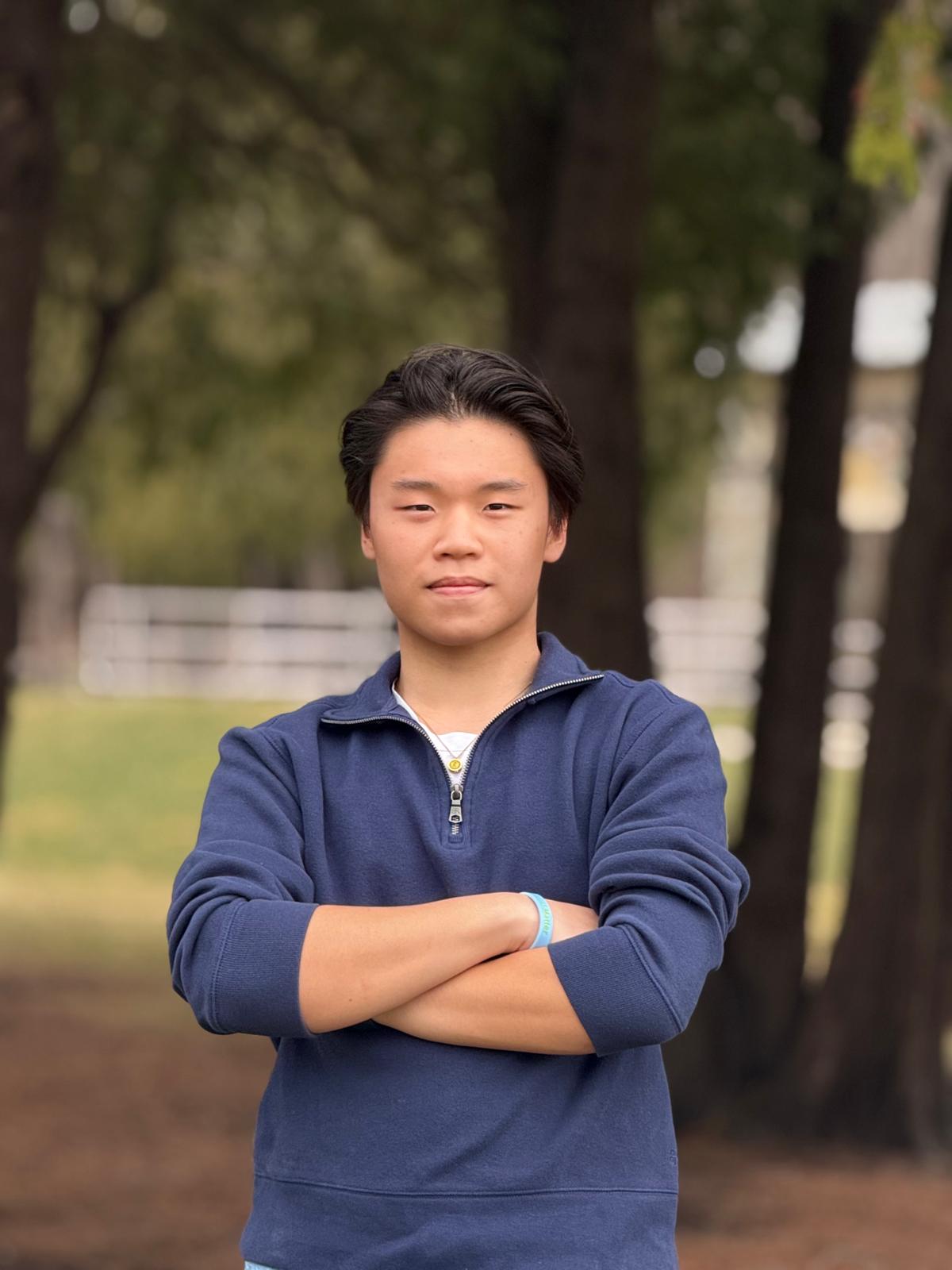
Ryan Lai
Green Bay, WI
The cones were orange, and a crew was pouring something black and steaming into a trench beside the road. I remember the smell of hot tar more than anything. I looked over for maybe two seconds, wondering what they were building. When I looked back, the car ahead of me had stopped. I hadn't.
The sound was smaller than I expected. A dull crunch, then a jolt through the seatbelt, then quiet. For a moment I just sat there with my hands on the wheel, waiting for the part where I could take it back.
Nobody was hurt. The bumpers took most of it, and from the outside it looked like the kind of crash people shrug off. At home, nobody shrugged. The repair cost $4,000. That is two thousand dollars a second.
My parents asked if I was okay. Then they asked what happened, and I had to say it out loud. I was looking at a construction site. They did not yell, which I had braced for. They were disappointed, and that was worse. Anger ends when the argument ends. Disappointment sits at the dinner table with you. They had trusted me with a car, and I had treated that trust like it came with the license.
The disappointment outlasted the dent. It made me look honestly at how I drove, and I found two things I had gotten wrong.
The first was what I thought distraction meant. In driver's ed, distraction meant a phone. I didn't text and drive, so I assumed I was safe. My phone was in my pocket when I crashed. What pulled my eyes away was a construction site, something completely ordinary. Distraction is anything that holds your eyes off the road longer than the road allows. A billboard. A song you want to skip. A friend halfway through a story. A crew pouring asphalt. The phone is only the most obvious one.
The second was how far two seconds goes. At 45 miles per hour, a car covers about 66 feet every second. While I watched that trench, my car traveled more than 130 feet with no one really driving it. The driver ahead of me did everything right. I just wasn't there to see it.
Then I thought about who else was there. The thing I was staring at was a crew of people standing a few feet from moving traffic. If one of them had stepped toward the road during those two seconds, my car would have reached him before my eyes did. I got a dented bumper. I could have given someone's family a phone call. I still think about that more than the money.
So I changed specific habits. I leave more space, because the gap ahead is the only thing that can absorb my own mistake. I treat construction as a signal to focus harder. Work zones have shifting lanes, workers a few feet from traffic, and drivers braking without warning. They are the worst place on the road to be curious. I set music, navigation, and temperature before I shift into drive. Anything that needs changing after that waits or goes to a passenger.
And I tell people. My friends and I drive each other everywhere now. I tell them about the crash because it is a little embarrassing, which makes it stick. "I rear-ended a car because I was watching a construction crew" lands in a way a statistic does not.
About 39,000 people died on American roads in 2024. That is roughly five times as many Americans as died in twenty years of war in Iraq and Afghanistan. New drivers hear numbers like that for years, and most of us still believe crashes happen to other people. I had heard those numbers too. They did not stop me from looking at a trench. Statistics describe everyone, so they feel like they describe no one. Behavior changes when a crash becomes personal.
Driver education could use that. Put a student in a parked car with an instructor holding a stopwatch. Time how long it takes to read a sign or change the station. Then have the student walk the distance the car would have covered at highway speed. Two seconds at 65 is nearly two hundred feet. Walking it is different from hearing the number. Programs should also bring in drivers with fender benders. A tragedy feels distant. A glance at a work zone feels close, because every new driver has done it and gotten lucky.
I study electrical engineering at UW-Madison now, and I am drawn to systems like automatic emergency braking. A car with it might have stopped for me that day. A radar or camera measures the gap ahead and how fast it is closing, then brakes when the driver does not. That is the exact problem I created: a gap shrinking faster than a person noticed. I want to help build that. But a sensor catches a mistake only after the driver makes it. Safety starts earlier, with a driver who understands that the car keeps moving even when their attention doesn't.
I still notice construction crews. I just don't watch them from the driver's seat anymore. When I pass one now, I slow down, keep my eyes forward, and think about the worker who could have stepped toward the road during those two seconds. I was lucky. My mistake cost $4,000 and some of my parents' trust, and I got the chance to earn both back. Many drivers never get a second chance. Being a safe driver means driving like you won't get one either.
Content Disclaimer:
Essays are contributed by users and represent their individual perspectives, not those of this website.